Skip to content
Menu

These earn us a commission through Viator. Same price for you, and the commission had no hand in the order.

Search
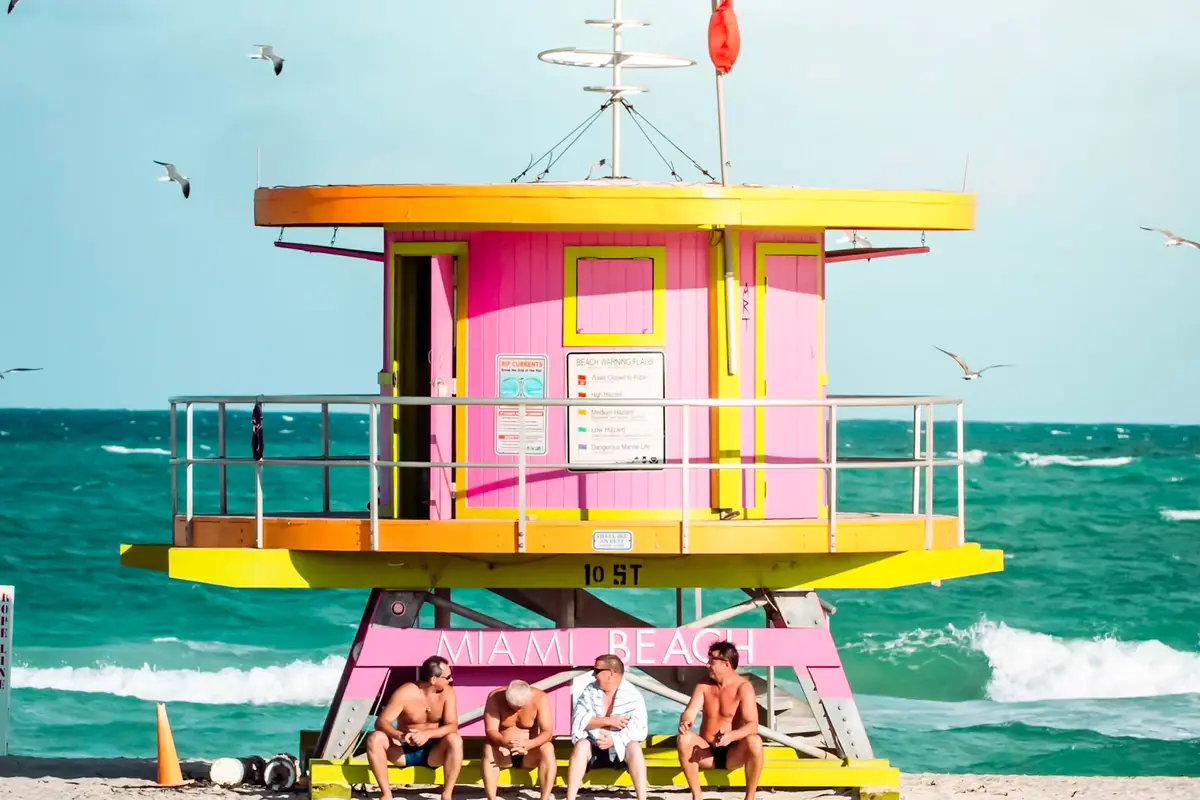
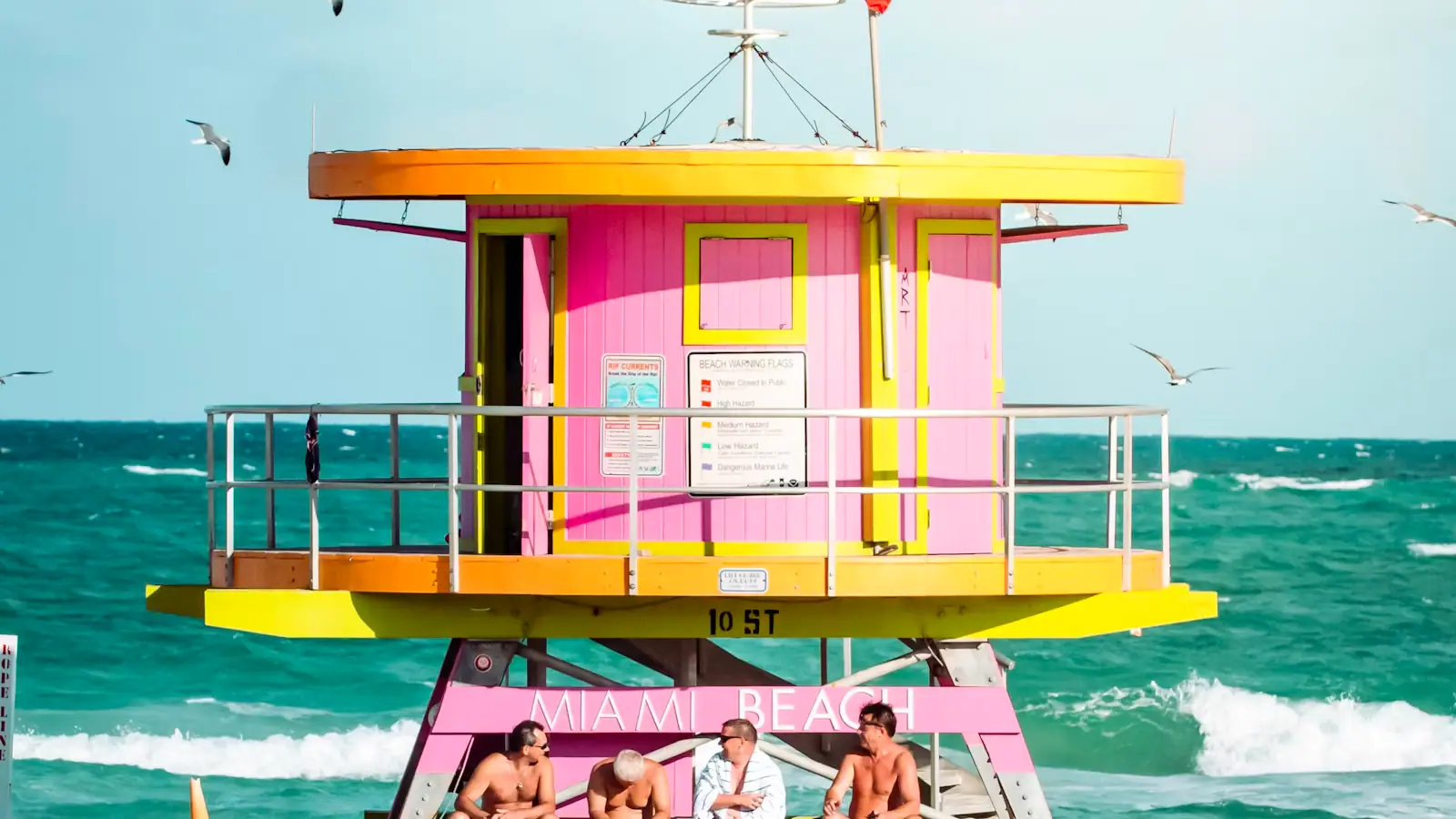
A pink and yellow lifeguard tower on South Beach with people sitting in the shade beneath it

Things to Do

Ocean Drive, Block by Block

Last updated

An honest guide to Ocean Drive in South Beach: what is on each block, how the sidewalk cafe bill is built, where the shade is, and what changes after dark.

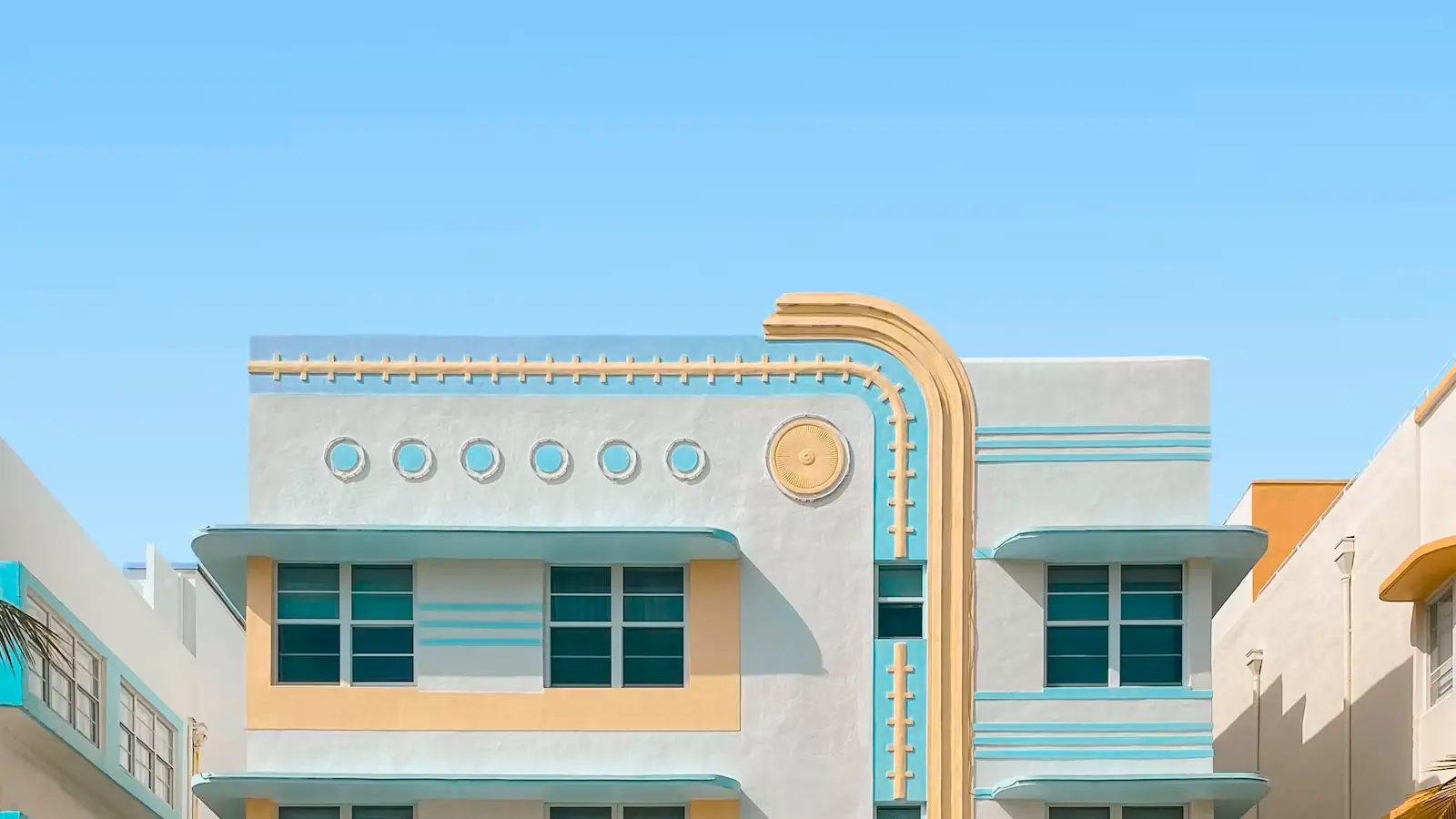
Ocean Drive is ten blocks of hotel façades, ten blocks of café terraces and one park, and it carries more of South Beach's reputation than the rest of the island combined. It runs from 5th Street north to 15th, with Lummus Park and then the sand on its eastern side and an unbroken wall of 1930s buildings on its western side. That is the entire geography. Everything else written about this street is opinion about what happens on the pavement between the two.

The opinion here is simple. The architecture is genuinely first rate and free to look at. The dining is a business model rather than a restaurant scene, and the city has spent years legislating against its worst habits. Both those things are true at once, and a guide that tells you to skip Ocean Drive entirely is as unhelpful as one that recommends a table on it. You will go. Go informed, at the right hour, and spend your money one block back.

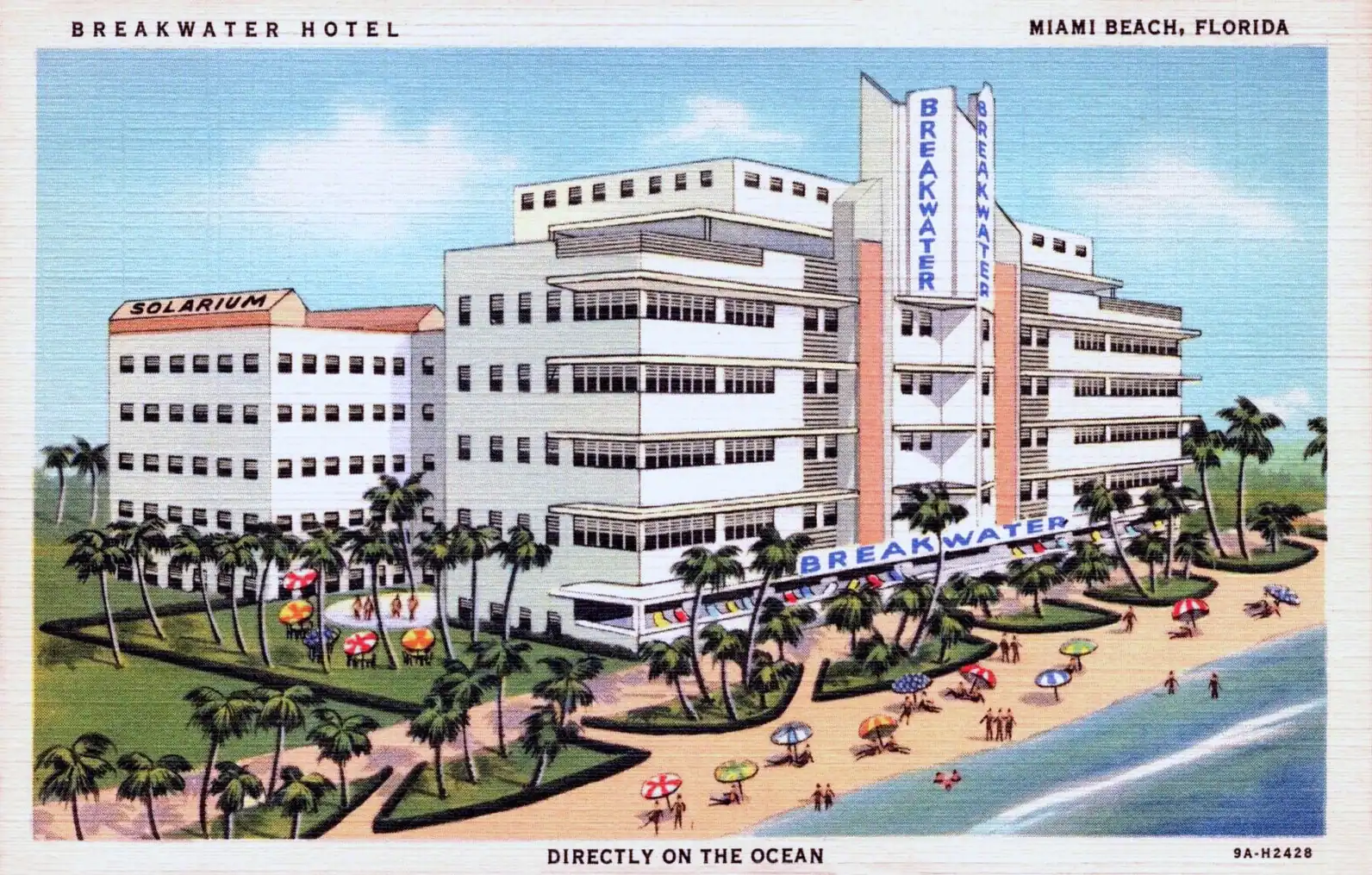
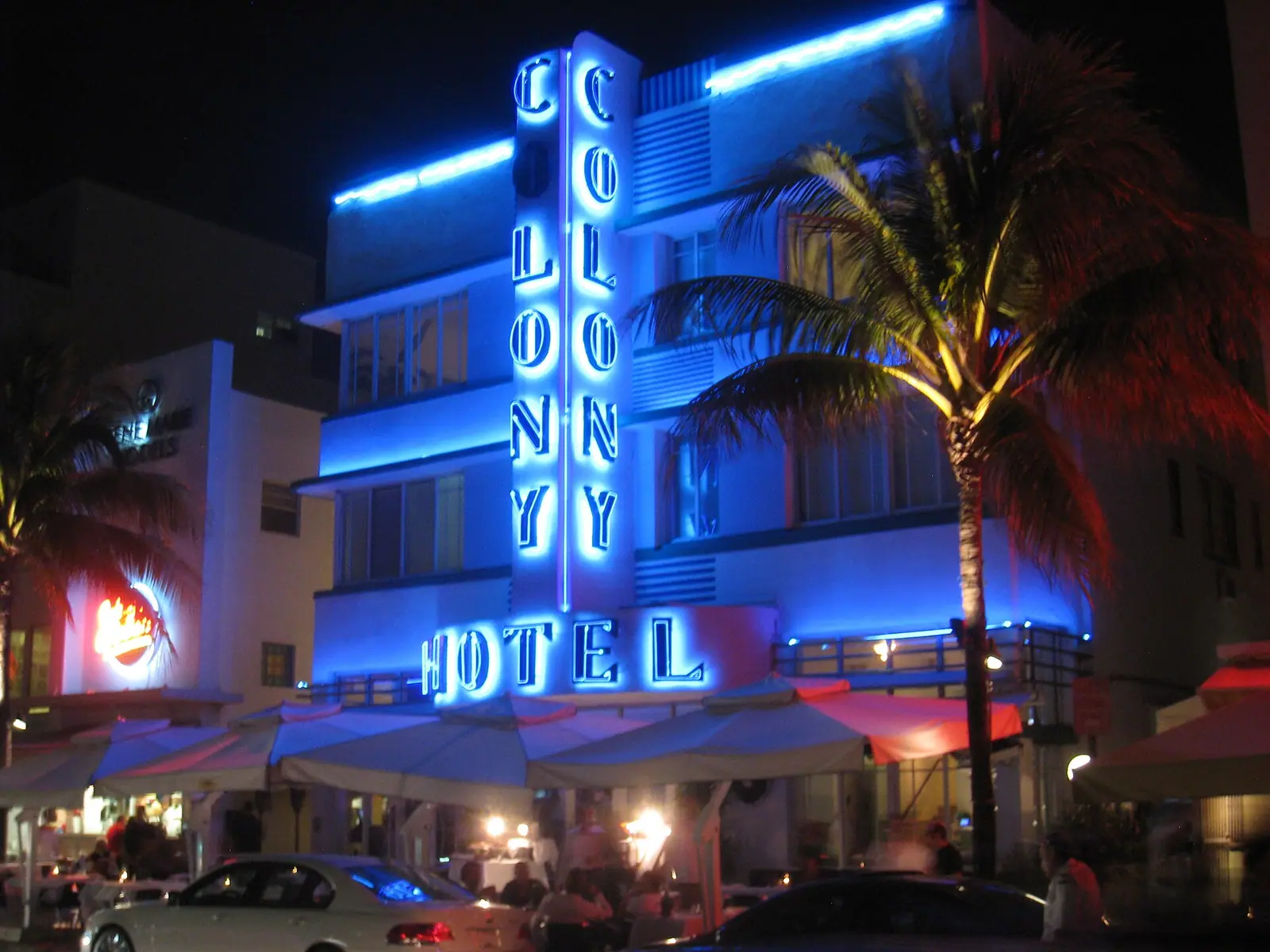
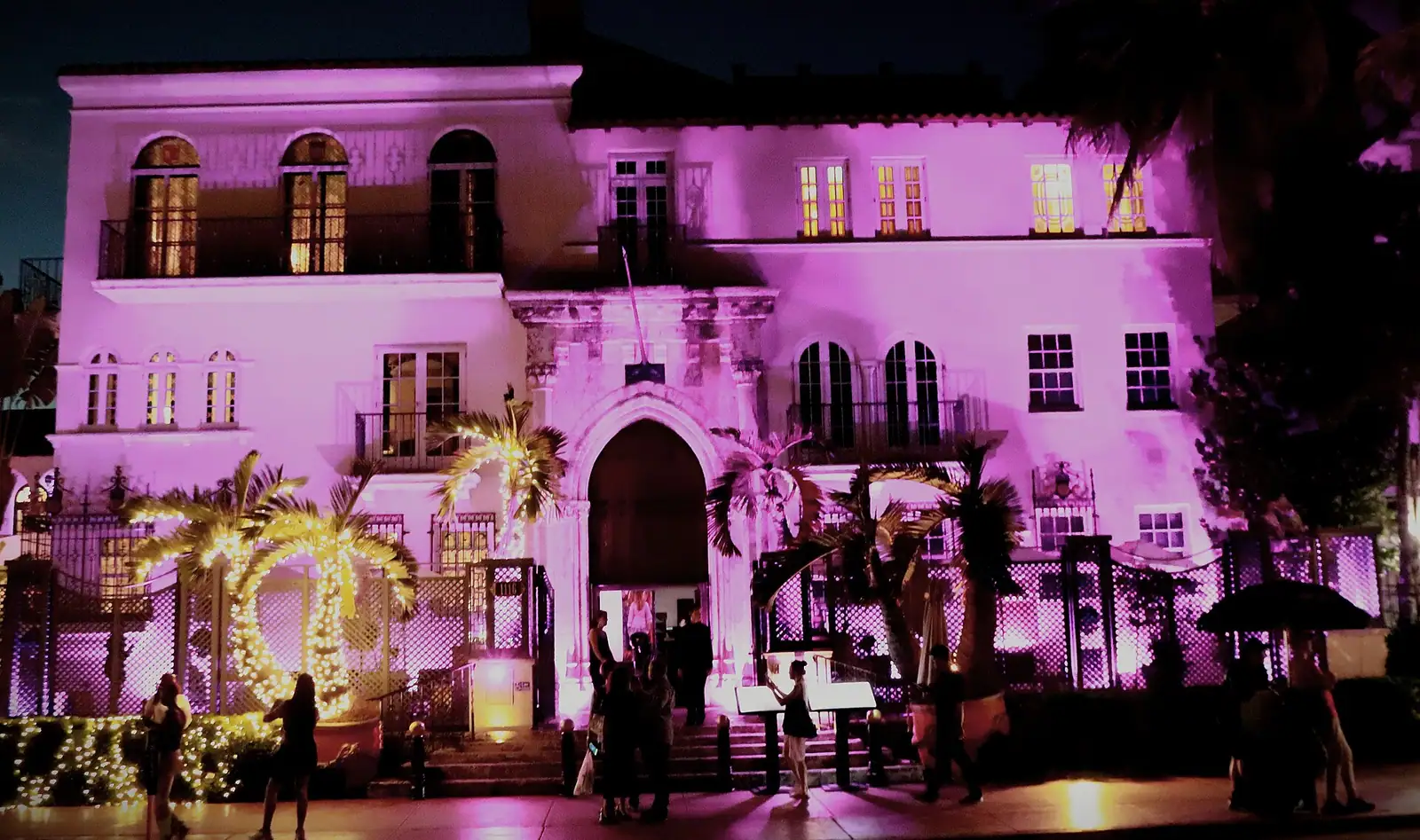
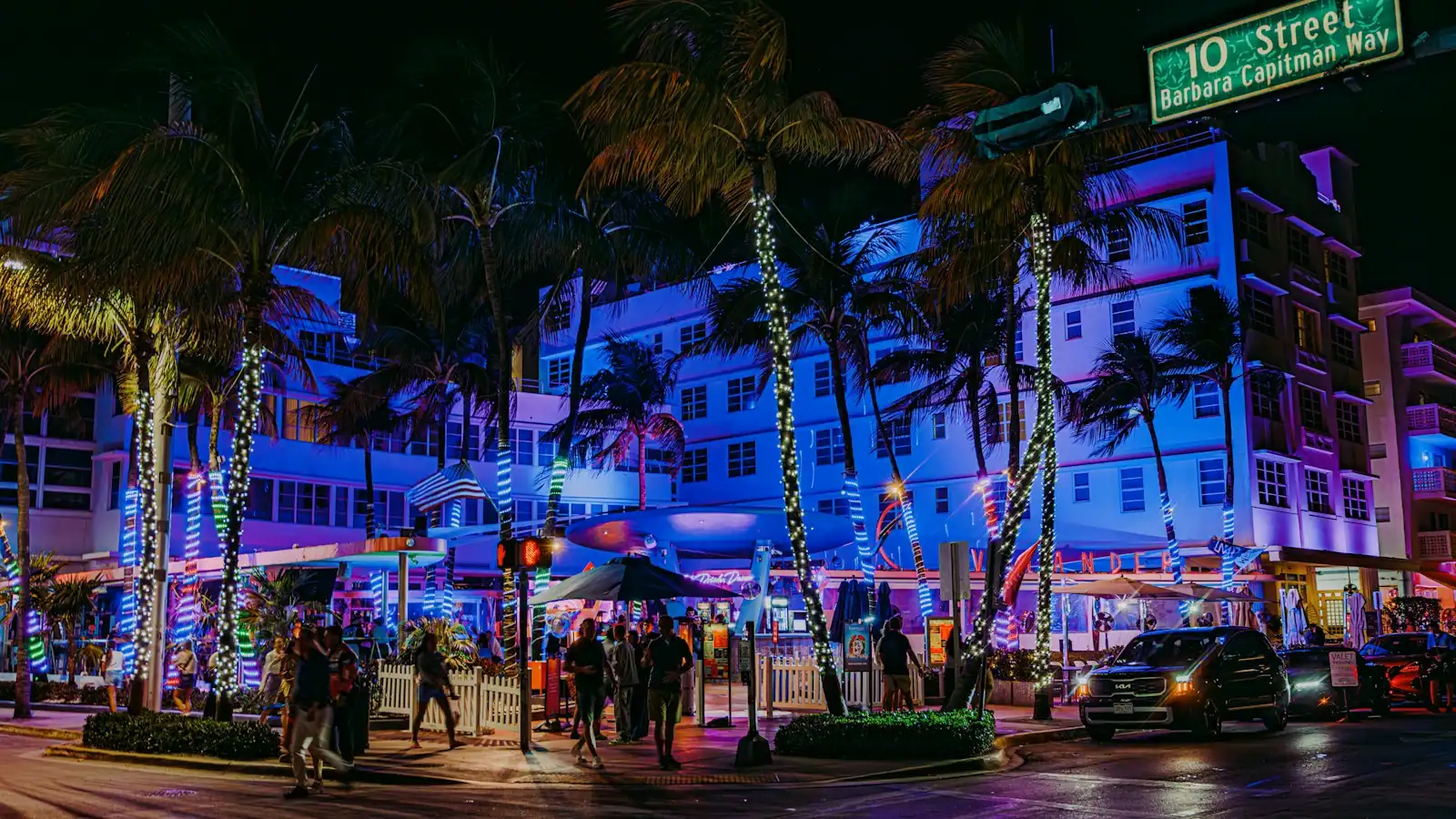
What makes the street worth an hour rather than a photograph is the density. Between 5th and 15th there are around forty buildings, most of them three storeys, most of them from a seven-year building spree in the late 1930s, and no two identical. The Colony's neon sign, the Breakwater's ship-prow tower, Casa Casuarina's Mediterranean courtyard walls dropped incongruously into the middle of a deco row: these are all within four blocks of each other. Walk it in the morning and the street is a piece of architecture. Walk it at eleven at night and it is a different business entirely, louder, more crowded and considerably more expensive.

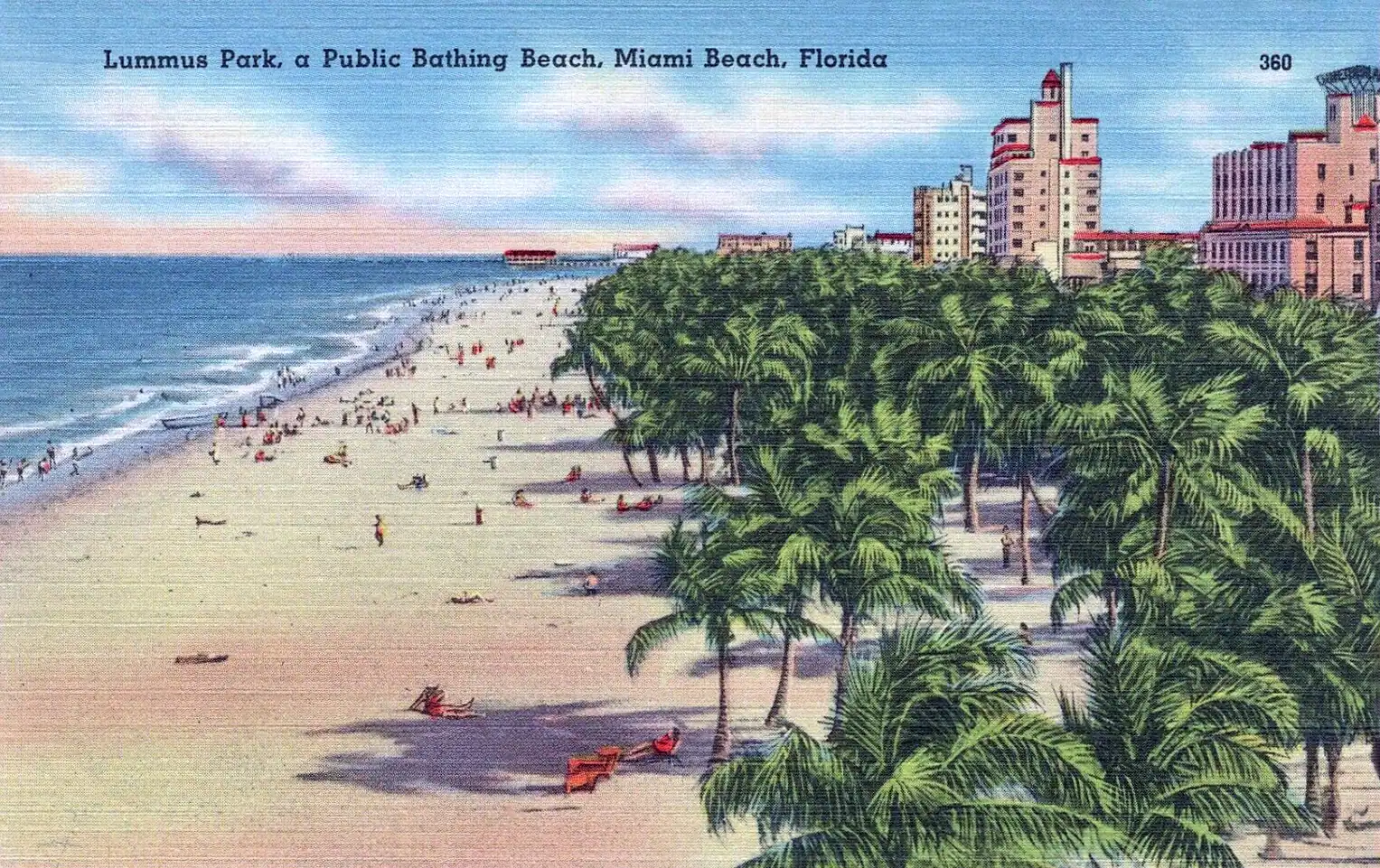
The other half of the street is the half most visitors ignore. Lummus Park is public, free, shaded in patches by palms and sea grape, and it holds the numbered lifeguard towers, the volleyball nets, the outdoor gym and the paved path that takes you the length of the strip without crossing a single café terrace. If you want the view of Ocean Drive that appears on every postcard, it is taken from inside the park, not from a table.

Below: what sits on each block, how a sidewalk-café bill is constructed and what the city's rules entitle you to ask for, where the shade falls at which hour, what the street becomes after dark, and why driving here is the worst decision available.

Our picks

The ones we would book

  • Editor's Pick

    Best way to understand what you are looking at

    Why we chose it

    A guided architecture walk that starts on Ocean Drive and then leaves it — for Española Way, Collins and Washington — is the version of this street that sticks. Ninety minutes to two hours, no transport, and a guide who can tell you why the eyebrows are there and which of the façades in front of you are restorations rather than survivals.

    Little Havana Food and Walking Tour in Miami

    Small Group

    Little Havana Food and Walking Tour in Miami (opens in a new tab)

    Editor's PickFree cancellationSmall group
    9.9K reviews

    Join us on a culinary and cultural walking tour of Little Havana where you will discover the traditions, history, music and flavors of…

    2–3 hours

    Prices checked

    from $69.99
  • Sunset

    Best for the neon

    Why we chose it

    Evening photo walks are timed to the half-hour after sunset, which is the only window when the signs are lit and the buildings are still visible behind them. It is also the most comfortable time to be on this pavement between May and October, and it puts you on the strip before the late-night crowd arrives.

  • Best Value

    Best value hour on the strip

    Why we chose it

    A bike rental gets you the length of Ocean Drive, the Beachwalk behind Lummus Park, South Pointe at the southern tip and back inside an hour, for less than a single cocktail on a terrace. The island is flat, compact and about twenty-three blocks long, which makes it one of the few US beach destinations where a bike genuinely beats a car.

  • Small Group

    Best small-group food walk off the strip

    Why we chose it

    The useful South Beach food tours spend almost no time on Ocean Drive, which is the point. Eight or ten people can get into a counter on Española Way or a kitchen off Washington Avenue that a coach group cannot. Look for a route that names its stops in advance and walks rather than drives between them.

  • Most Booked

    Best first look from the water

    Why we chose it

    A bay cruise leaving from the Miami Beach Marina at the southern end of the island shows you the thing Ocean Drive cannot: how narrow this barrier island actually is, with the Atlantic on one side and Biscayne Bay a few hundred metres away on the other. Ninety minutes, and it reframes every walk you take afterwards.

    Speedboat Sightseeing Adventure of Miami

    Shore Excursions

    Speedboat Sightseeing Adventure of Miami (opens in a new tab)

    Most BookedFree cancellationInstant confirmation
    3.2K reviews

    Miami's only off-shore, speedboat tour. Experience thrills during a 45-minute speedboat ride across Miami waters. Soar along the Miami…

    45 minutes

    Prices checked

    from $42

Lummus Park, and the towers that number the beach

The strip of green between Ocean Drive and the sand is Lummus Park, and it is public, free and the most under-used amenity in South Beach. It runs the length of the strip with a paved path, palms and sea grape for patchy shade, volleyball courts, playgrounds, an outdoor gym at the southern end that has been a bodybuilding fixture for decades, and public restrooms at several of the street ends.

It also holds the lifeguard towers, which are the best navigation device on this beach and the most photographed municipal furniture in Florida. There are around three dozen of them along the city's shoreline, from South Pointe Park up into the mid-80s streets, individually designed by the architect William Lane in a deliberate spread of colours and shapes drawn from the island's deco and MiMo vocabulary. They are not numbered in a sequence of their own. Each one stands at the end of a cross street and takes that street's number, which is why locals say "meet me at 10th Street" and mean a specific pink structure on the sand rather than a junction two hundred feet inland.

Use them. The beach here is wide, flat and featureless once you are on it, the hotel frontages all look alike from the water's edge, and a tower with a number is the only reliable way to find your towel or your party again. Photograph them early: the towers face the water, so morning light hits them squarely, and by mid-afternoon you are shooting into a bright sky.

Where to stand, where to sit, and when

When to go

The hotels sit on the west side of Ocean Drive and face east, which fixes the day.

Before ten. Walk on the park side. The sun is behind you, the façades are lit, the terraces have not filled and the touting has not started. This is the hour for photographs and for the length of the strip in one go.

Ten to two. The worst window. No shade on the park path, none on the terraces yet, and the pavement radiates. If you are out in it, move one block west to Collins Avenue, which is narrower and taller on both sides and holds shade for most of the day.

Two until sunset. The buildings begin shading their own pavement, so the café tables on the west side become the cool side of the street while Lummus Park is fully exposed. This is the right time to sit rather than walk.

Dusk and the half-hour after. The best twenty minutes on Ocean Drive. The neon comes on while there is still blue in the sky, so signs and buildings read in the same frame, and the temperature drops to something pleasant.

One footnote for beach days: sargassum. The brown seaweed arrives in mats from roughly late spring through summer, and crews clear the busiest stretches of the tourist beach before the quieter ones, which is one of the few practical arguments for being at 10th Street rather than somewhere prettier in June.

Getting here, and why not to drive

What it costs

Driving to Ocean Drive is the single most reliable way to have a worse day than necessary, and it is worth being concrete about why.

  • Meters. South Beach kerbside rates sit at the top of the county's scale, in the region of $4 to $6 an hour in the busiest areas, and are enforced around the clock. Ocean Drive kerb space is scarce and largely taken.
  • Municipal garages. Several sit within a few blocks of the strip on Washington, Collins and the numbered streets, and for anything over two hours they are better value than the kerb. Expect a daily flat rate in the region of $20 to $30 for non-residents outside peak periods, considerably higher on high-impact weekends and during spring break, when the city has published flat rates several times that.
  • Valet. Routinely $30 to $50 on this street, before the tip.
  • Tow risk. Restricted zones, loading bays and residential permit streets are actively enforced, and retrieving a car from the impound is an afternoon you will not get back.

Verify current rates with the City of Miami Beach before you rely on any of these numbers.

The alternatives. From downtown Miami or Brickell the causeway crossing is 15 to 30 minutes by rideshare depending on the hour, and there is no rail service onto the island, so budget for surge pricing at peak. The Miami Beach trolley runs free loops on the island. And on the island itself, almost everything in this guide is within a twenty-minute walk of 10th Street, which is the argument for staying in South Beach and never touching a car for two days.

What Ocean Drive is not

Two corrections that save both money and a wasted evening.

It is not where people here eat. The restaurant culture of Miami Beach is on Española Way one block over, on the numbered streets off Washington, in Sunset Harbour on the bay side, and in the South of Fifth blocks below the district. Those are five to fifteen minutes' walk from Ocean Drive and priced for people who might come back. The strip is for the view.

It is not South Beach. Ocean Drive is one of three parallel streets, and the least representative of the three. Collins Avenue, one block west, is the hotel and retail spine and holds a great deal of the district's better architecture. Washington Avenue, one block further, is where the everyday city is: pharmacies, the post office, the Wolfsonian, tattoo studios, late-night food, and the nightlife that does not happen on a terrace. Lincoln Road is five blocks north. A visitor who only walks Ocean Drive has seen roughly a sixth of the neighbourhood.

Book it

Everything else we track

These earn us a commission through Viator. Same price for you, and the commission had no hand in the order.

Sharing, or having it to yourselves

Most of what is bookable here sells two ways, and the cheaper one is not always the cheaper one. A shared departure is priced per person; a private booking is priced for the party, so the arithmetic flips somewhere around four to six people — and it is the only version where you pick the time. Check the party size each listing actually covers before you decide.

  • Book a seat

    A shared departure, priced per person. The cheapest way to do this for one or two people.

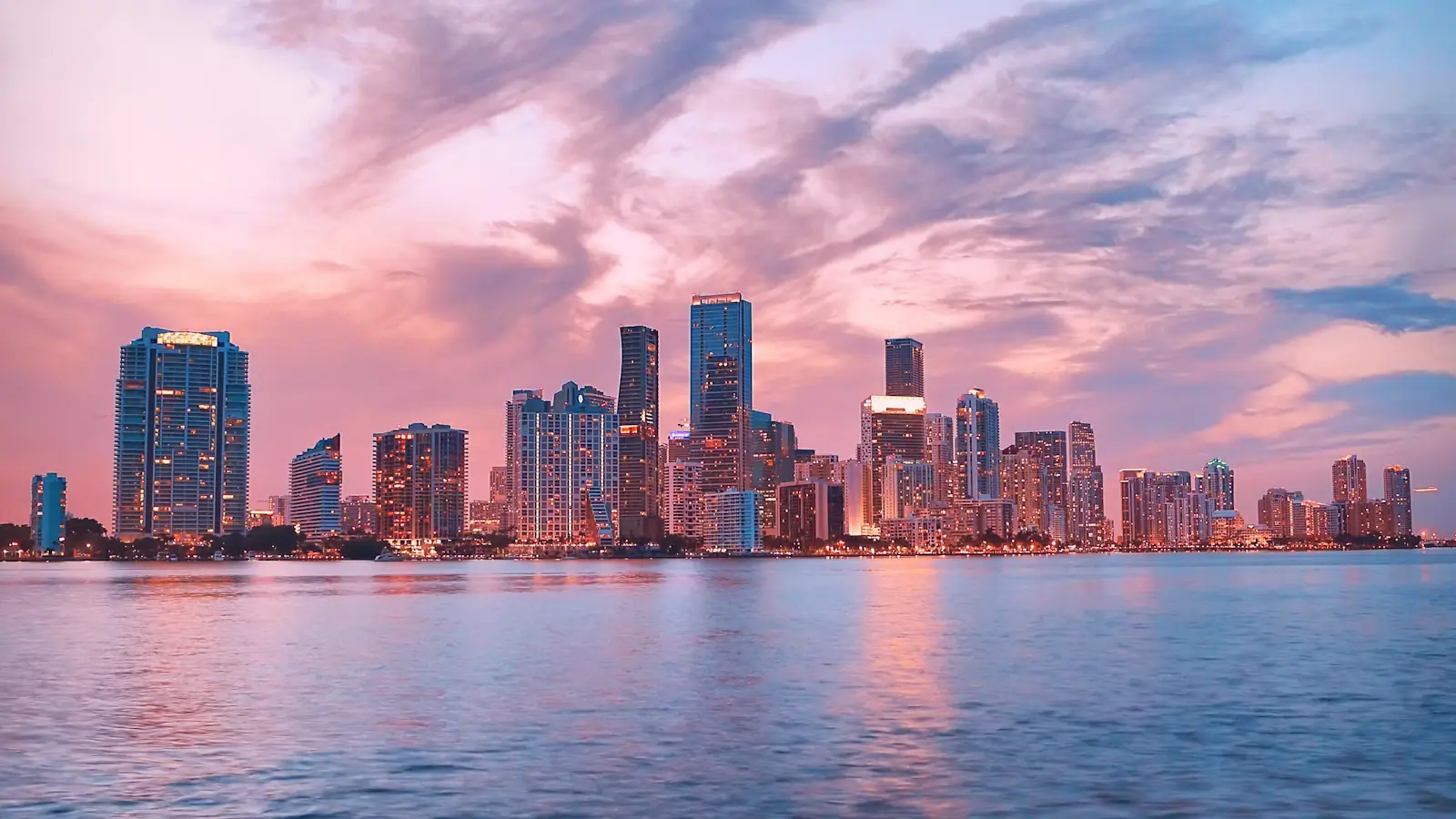
    Our panoramically view perfect for instagram worthy pictures

    Curated Catalog

    Miami Skyline Cruise with Biscayne Bay Views (opens in a new tab)

    Free cancellationInstant confirmation
    1.5K reviews

    Embark on an unforgettable journey with Miami Skyline Views and Biscayne Bay Boat Cruise, one of the best Miami sightseeing cruises where…

    1–2 hours

    Prices checked

    from $30
  • Book the whole thing

    Priced for the party rather than the seat, and you choose the departure time.

What is on each block

How they compare

BlocksCharacterWhat to look atCrowd
5th–7thThe quiet southern end, on the edge of the South of Fifth neighbourhoodThe district's southern boundary; the street wall starts hereThin, even in season
7th–9thClassic deco row, slightly less frantic than the middleThe Park Central at 640 and the Colony at 736 sit just below and above this runModerate
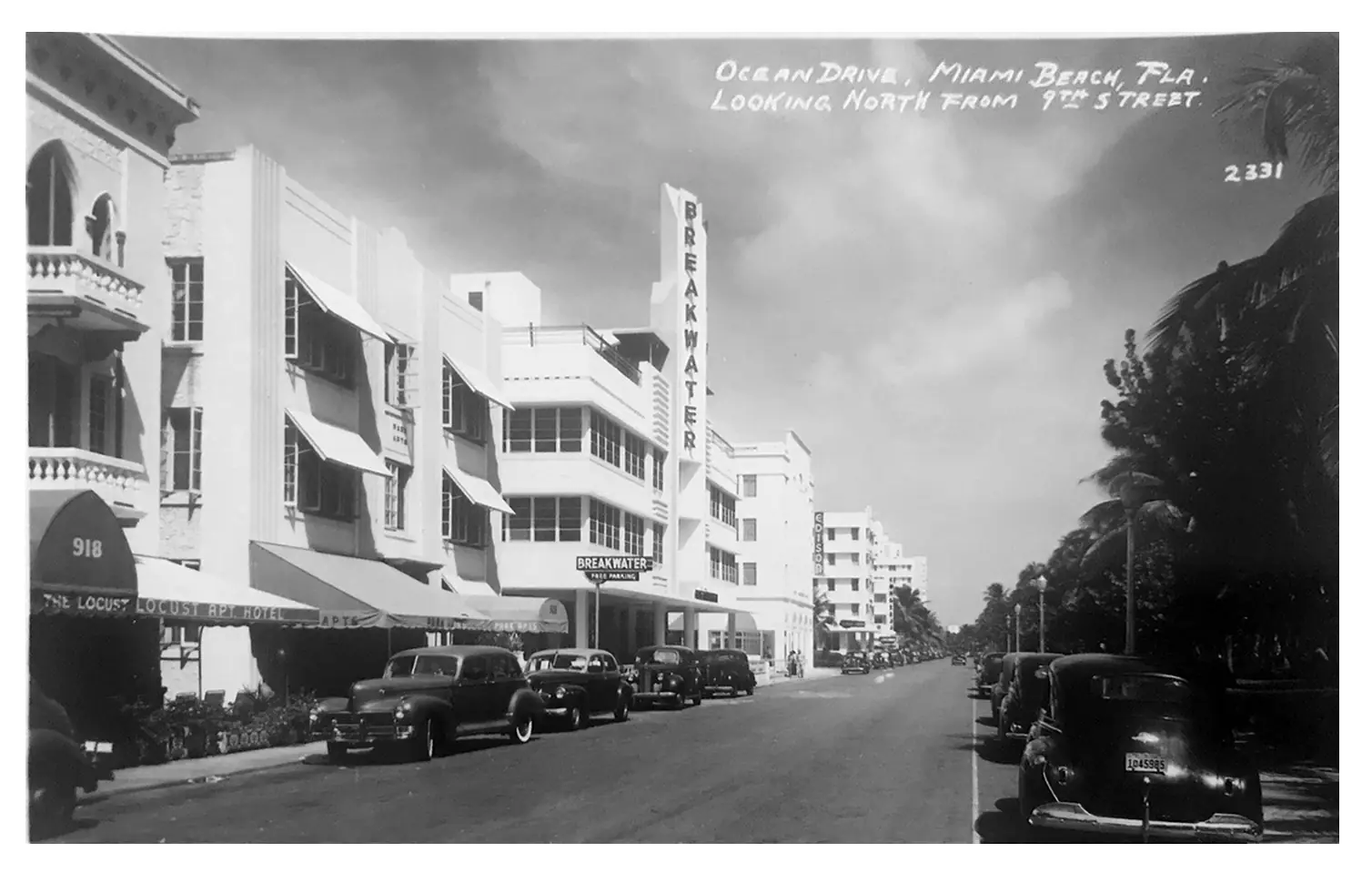
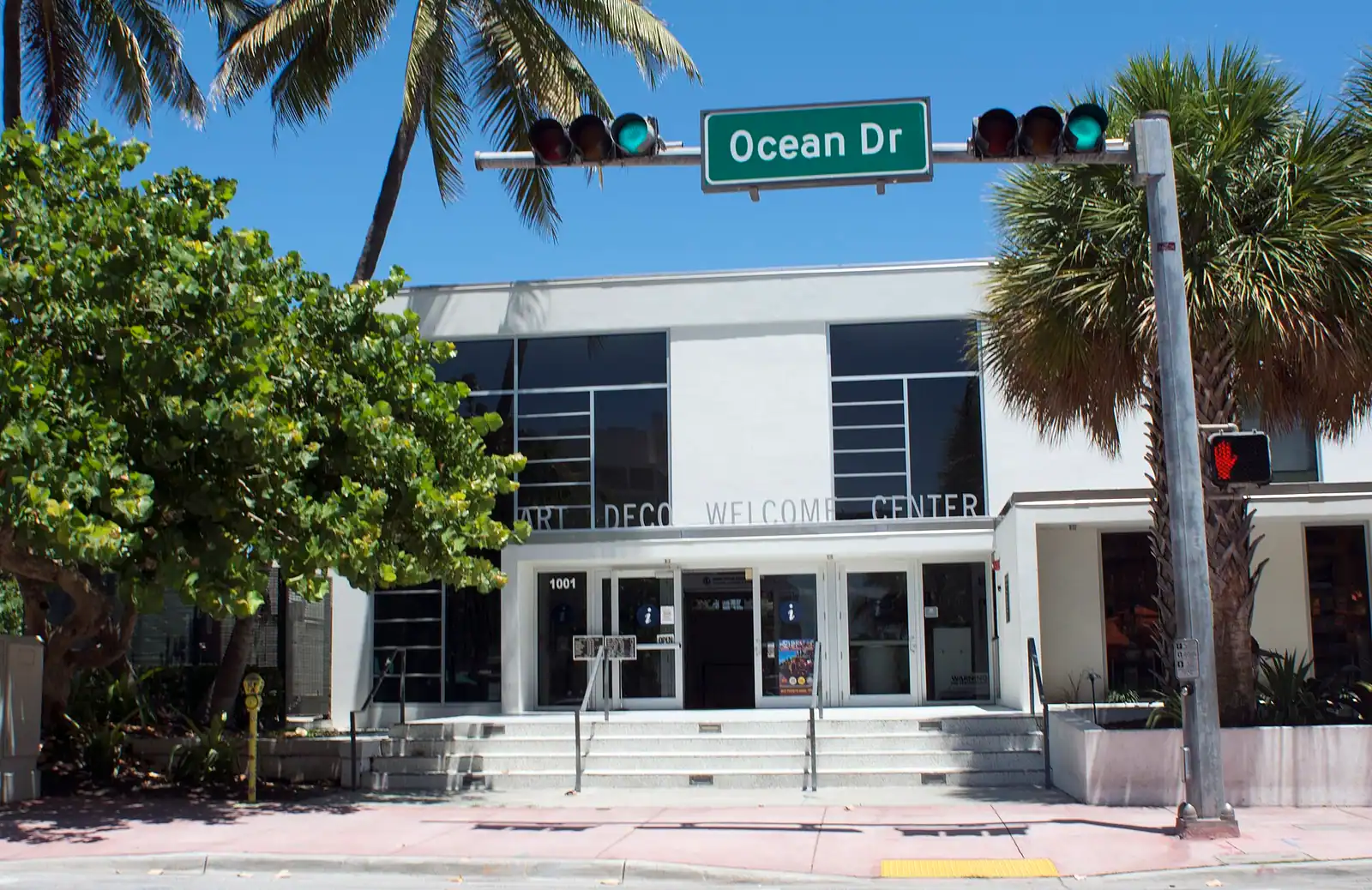
9th–10thThe centre of gravityThe Breakwater at 940, the Art Deco Welcome Center at 1001, the Beach Patrol's porthole-windowed building at the beach entranceHeavy
10th–12thThe photographed blocksCasa Casuarina at 1116, the busiest terraces on the street, the loudest toutingHeaviest
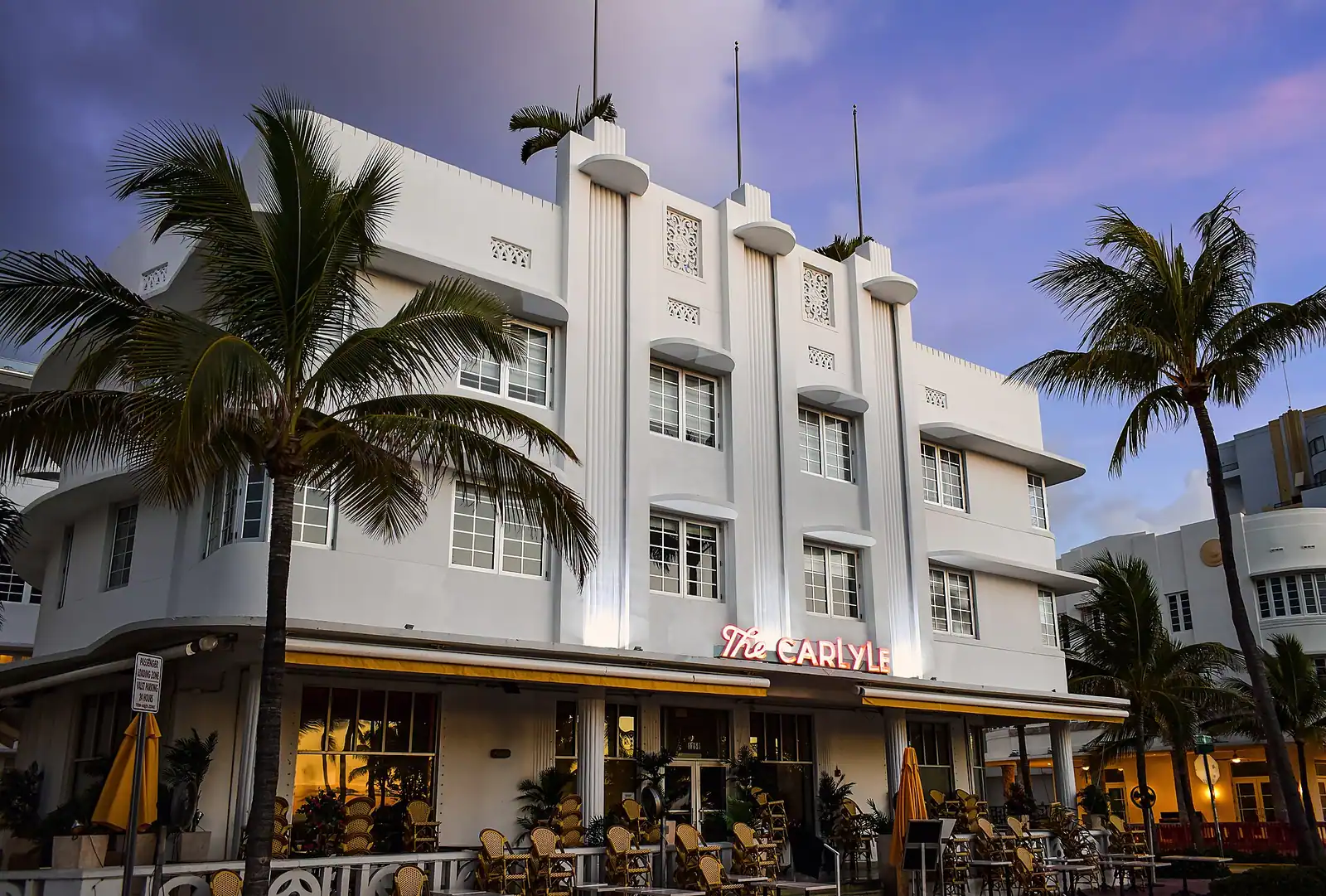
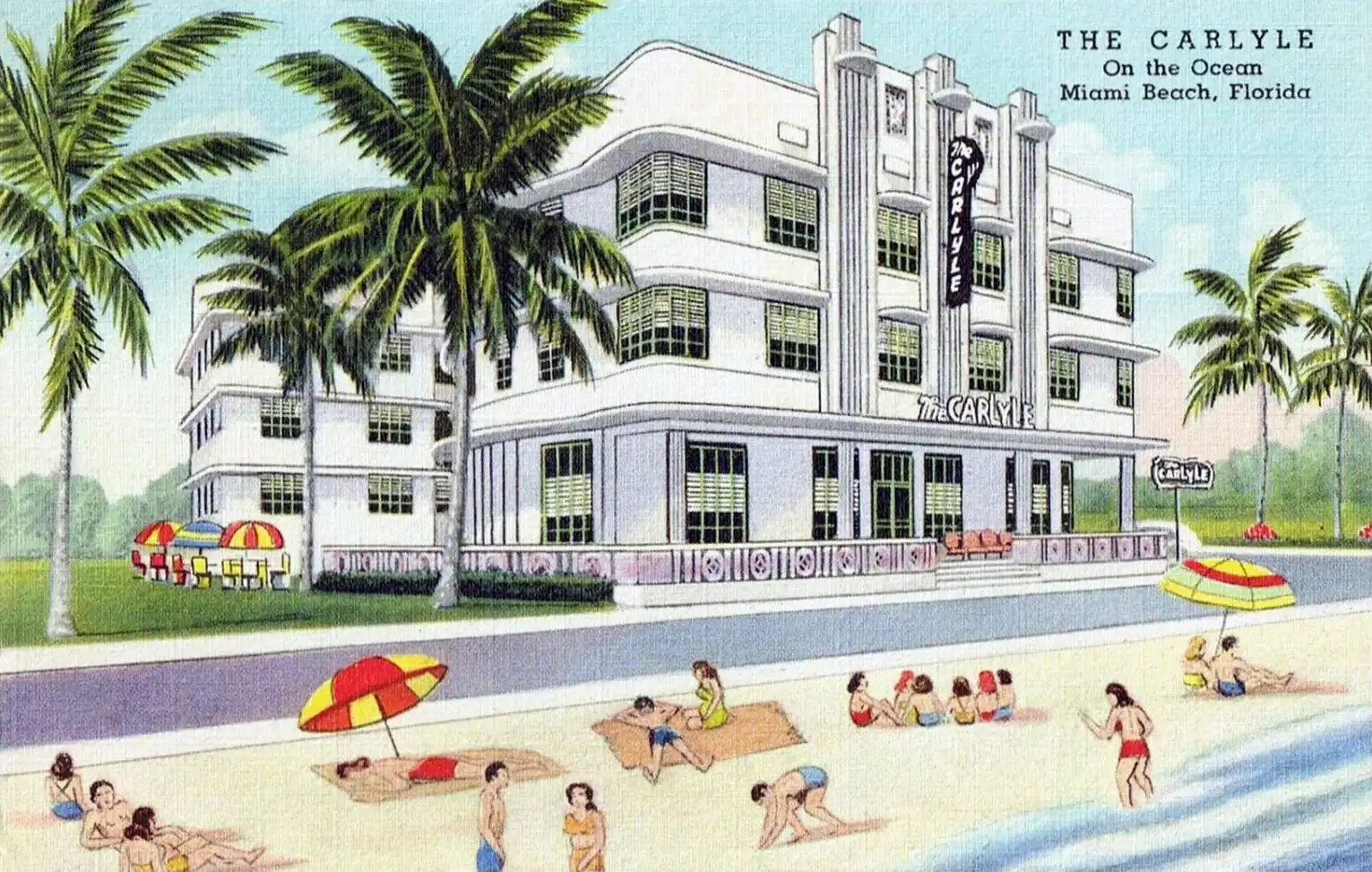
12th–14thTall-porch hotels, the best continuous façade runThe Carlyle at 1250, the Cardozo at 1300Heavy, thinning north
14th–15thThe top end, where the street winds downQuieter terraces, easier crossings, and the turn inland towards Española WayLight

Two practical readings of that table. If you want to look at buildings, the 12th to 14th stretch gives you the most façade per step and the least pressure to sit down. If you want a table with a view and the lowest chance of being upsold, the 5th to 7th and 14th to 15th ends are where the pace drops. The middle four blocks are the ones the street's reputation is built on, in both senses.

How the sidewalk-café bill is built

Before you book

The complaints about Ocean Drive dining are specific and repeatable, and the City of Miami Beach has written rules against them. Knowing the rules is most of the defence.

What the ordinance requires. Sidewalk cafés must show prices on the menu. Any automatic gratuity or service charge must be disclosed on the menu and on the face of your bill and receipt, in type no smaller than 12 point. The combined city, county and state taxes must be stated on the bill. Operators on Ocean Drive between 5th and 15th Streets have to certify compliance to hold a permit, and the city can shut a non-compliant café down.

What that means at the table.

  • Ask for a printed menu with prices before you sit. A board without prices, or a greeter quoting "two-for-one" without showing you the menu, is the moment to walk on.
  • Expect a service charge of around 18 to 20 percent to be added automatically. That is legal if it is disclosed. Read the bottom of the bill before adding a further tip, because the tip line is often left blank under a charge already taken.
  • Check the drinks. The loudest complaints on this street are about buckets, towers and bottle upsells where the per-unit price was never stated.
  • Ask for the itemised bill rather than a total on a card machine, and read it at the table.

The honest summary. Rules or not, this is a high-turnover tourist strip where the competitive advantage is the view. A drink at a terrace table so you can sit and look at the street for half an hour is a reasonable purchase. A full dinner is a decision to pay a large premium for a location you could enjoy for the price of a coffee.

Ocean Drive after dark

Before you book

The street changes at about nine and changes again at about midnight, and it is worth knowing which version you are walking into.

Early evening is the best of it: neon, a breeze, families still out, terraces busy but manageable, and the architecture at its most theatrical.

Late evening is a nightlife strip, with amplified music from competing terraces, pavement promoters working the crowd hard, and a heavy police presence in season. It is busy rather than dangerous, but it is a crowded street where people are drinking, and normal city precautions apply: bag on the front, phone away, agree a meeting point, and use rideshare pickup points rather than standing in the road.

March is genuinely a different month. Spring break brings a much larger and younger crowd to these blocks, and the City of Miami Beach has responded in recent years with measures that have included traffic plans, restricted local access to nearby streets on high-impact evenings, security checkpoints at beach entrances, higher flat parking rates and, in some years, curfews. What is in force changes annually and is announced close to the date. If you are travelling in March, read the city's own announcements rather than a blog from a previous year.

Early December is the other date that reshapes the street. Art Basel Miami Beach fills the island, and hotel rates, restaurant availability and traffic on Ocean Drive all move accordingly.

On the ground

Where to go

Every place below has its own page — hours, parking, what it costs and what to expect when you get there.

  • A symmetrical pastel hotel facade with banded concrete window shades and a stepped central parapet

    Historic site

    Art Deco Historic District

    Free

    Roughly 800 protected buildings in twenty-odd blocks, and a visual grammar you can learn in about ten minutes.

    1.5–4 hoursFree to walk. Guided tours, the Art Deco Museum, the Wolfsonian and the Jewish Museum of Florida charge separately.

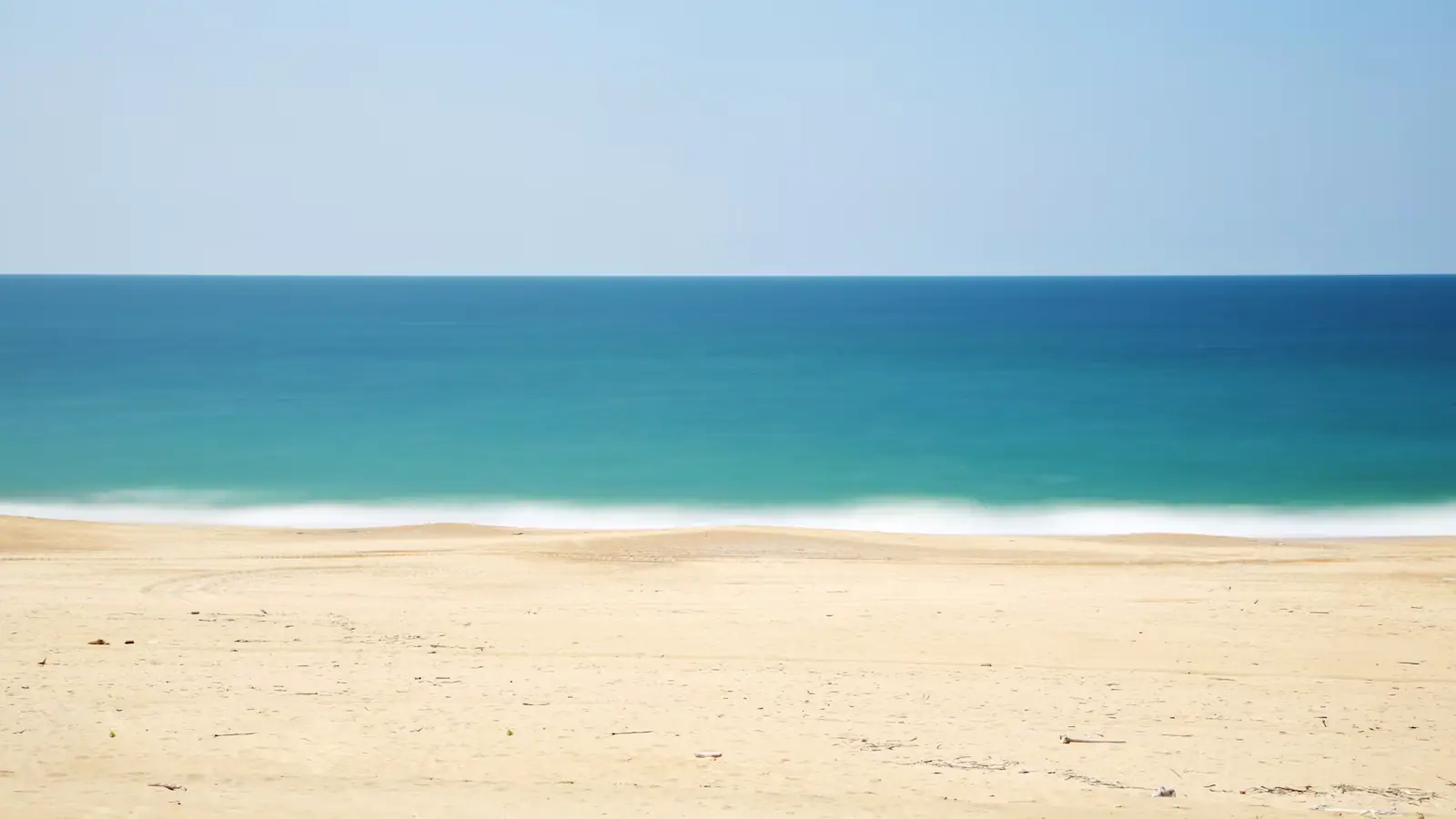
  • Early morning sun rising out of the Atlantic over an empty stretch of sand

    Beach

    South Beach

    Free

    Free, public, and about three times wider than it was fifty years ago, because most of it was pumped there on purpose.

    1.5–6 hoursFree. The entire beach is public. Loungers, umbrellas and the concession rows are not.

  • Rows of simple beach cabanas and painted shelters set back behind a line of palms

    Landmark

    South Beach Lifeguard Stands

    Free

    Around three dozen individually designed towers along Miami Beach, each known by the street it stands at rather than by a number.

    0.5–1.5 hoursFree. The beach, the accesses and the towers cost nothing.

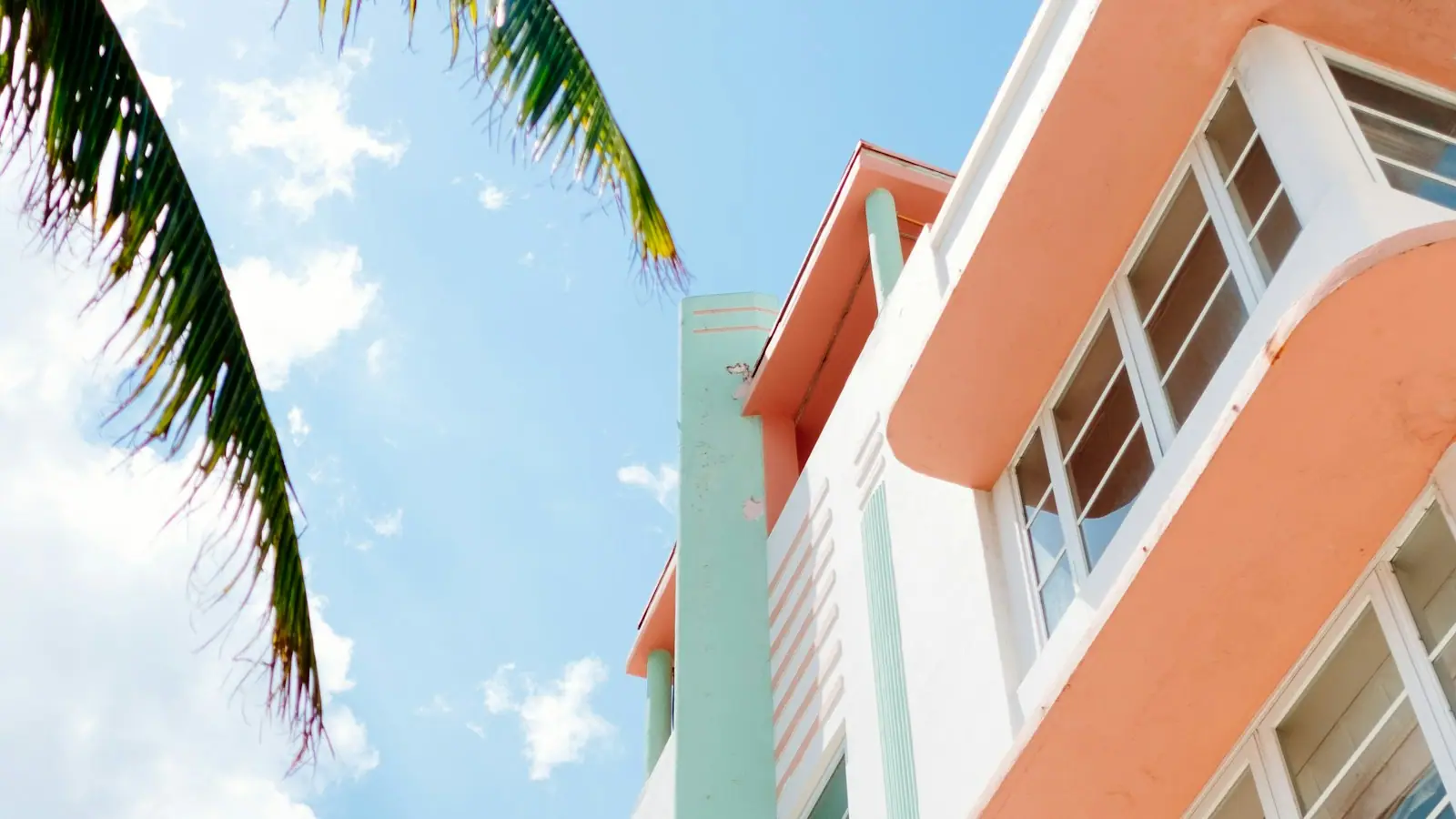
  • The peach and mint facade of a three-storey Art Deco hotel seen from below with a palm frond crossing the frame

    Neighbourhood

    Ocean Drive

    Free

    Ten blocks of deco facade on one side and open park on the other, and almost everything depends on which side you choose.

    1–2.5 hoursFree to walk. The sidewalk cafes, hotel bars and beach loungers are not.

  • A public pier running out over the water with a city skyline behind it at dusk

    Park

    South Pointe Park

    Free

    Fifteen minutes south of the Ocean Drive crowd, the island stops at a shipping channel and everything gets quieter.

    1–3 hoursFree. The park, the pier, the splash pad, the playground, the dog park and the beach access cost nothing.

  • A visitor standing in a small gallery looking at framed works hung on a white wall

    Museum

    Art Deco Welcome Center

    The preservation league's own building, and the ten minutes that make the next two hours of walking make sense.

    0.5–2.5 hoursThe Welcome Center, shop and information desk are free to enter. The Art Deco Museum, guided walking tours and the self-guided audio tour are ticketed, with museum admission included in the guided tour.

  • Lit signage and enclosed gondolas beside a waterfront promenade photographed at dusk

    Historic site

    Breakwater Hotel

    Free

    The blue-and-white pylon at 940 Ocean Drive whose neon sign is the single most photographed object on the strip after dark.

    10–45 minutesFree to look at. Guest rooms, pool and bar service are for hotel guests and paying customers.

  • Curving paved walkways running through low coastal planting in a landscaped seafront park

    Park

    Lummus Park

    Free

    Ten blocks of palm, path and free outdoor gym, and the decision that kept anyone from building between Ocean Drive and the Atlantic.

    0.5–3 hoursFree. The park, the outdoor gym, the volleyball courts, the restrooms and the beach access cost nothing.

  • A wide city street with palms, shopfronts and pedestrians under strong midday sun

    Historic site

    The Carlyle

    Free

    The three-fin Streamline Moderne front that stands in for South Beach in half a dozen films, and has no lobby you can enter.

    5–20 minutesFree. It is a building you look at from the pavement.

  • The peach and mint facade of a three-storey Art Deco hotel seen from below with a palm frond crossing the frame

    Landmark

    The Colony Hotel

    Free

    A three-storey Henry Hohauser building from 1935 whose neon sign is the image most people carry of South Beach without knowing the name.

    10–45 minutesFree to look at. The terrace bar and cafe charge Ocean Drive prices, and the rooms are a hotel booking.

  • Clipped hedges and a stone basin in a formal courtyard garden with palms rising behind

    Historic site

    Casa Casuarina

    Free

    A 1930 Mediterranean Revival palazzo dropped into the middle of a deco street, and now a private hotel you can only enter by booking.

    10–30 minutesFree to look at from the street. There is no public admission to the interior; access requires a restaurant reservation or a room booking.

Straight answers

Questions people actually ask

Is Ocean Drive worth visiting?

Yes, for the architecture and the atmosphere, and preferably not for dinner. The ten blocks between 5th and 15th hold the densest run of 1930s deco hotels anywhere, and walking them costs nothing. The sidewalk cafés are a different proposition: high prices, automatic service charges and hard selling. Walk it early, come back for the neon after sunset, and eat one street over.

Why do people say Ocean Drive restaurants are a tourist trap?

Because of specific, documented practices: menus without prices, automatic gratuities of around 18 to 20 percent added and not clearly disclosed, drinks sold by the bucket or tower without a stated unit price, and a tip line left blank under a service charge already applied. Miami Beach now requires prices on menus and disclosure of any service charge on the menu and the bill. Ask for the printed menu, and read the itemised bill before you pay.

How long is Ocean Drive and how long does it take to walk?

The stretch that matters runs from 5th Street to 15th Street, about ten blocks and roughly three-quarters of a mile. Walking it without stopping takes fifteen to twenty minutes. Walking it properly — looking up at the parapets, reading the signs, crossing into Lummus Park for the view back at the façades — takes closer to an hour, and an architecture tour of the same ground runs ninety minutes to two hours.

What is the best time of day to visit Ocean Drive?

Two windows. Between sunrise and ten in the morning the light lands directly on the east-facing façades, the terraces are empty and the pavement is walkable. Then the half-hour after sunset, when the neon is lit and the sky still has colour in it. Between ten and two there is no shade anywhere on the strip, and after midnight it is a nightlife street rather than a sightseeing one.

Where should you park for Ocean Drive?

In a municipal garage a few blocks inland, on Washington or Collins, rather than at a kerbside meter. South Beach meters run at the top of the county's rates, roughly $4 to $6 an hour in the busiest areas and enforced around the clock, while a garage day rate is usually in the $20 to $30 range for non-residents outside peak periods. Valet on Ocean Drive is routinely $30 to $50. Verify current rates with the city before you go.

Is Ocean Drive safe at night?

It is busy rather than dangerous, with a visible police presence in season. The issues are crowding, drinking and pavement promoters rather than anything more sinister. Normal city sense covers it: keep your bag in front of you, keep the phone away in the crush, agree a meeting point, and use a designated rideshare pickup rather than standing in traffic. March is the exception, when spring break brings a much larger crowd and city restrictions that change year to year.

What is Lummus Park?

The public park between Ocean Drive and the sand, running the length of the strip. It is free, has a paved path along its length, palms and sea grape for patchy shade, volleyball courts, playgrounds, a long-standing outdoor gym at the southern end, and public restrooms at several street ends. It also holds the numbered lifeguard towers. The classic photograph of the Ocean Drive façades is taken from inside this park.

Why are the Miami Beach lifeguard towers numbered?

They take the number of the cross street they stand at, so the tower at the end of 10th Street is "10th Street". There are around three dozen along the city's shoreline, from South Pointe Park up into the mid-80s streets, individually designed by architect William Lane in colours and shapes borrowed from the island's deco and MiMo buildings. On a wide, featureless beach they are the only practical way to describe where you are.

Can you swim at the beach off Ocean Drive?

Yes. The sand behind Lummus Park is public, free and lifeguarded during posted hours, and the water is generally calm with small surf. Watch the flag on the tower nearest you: it reports the day's conditions and any hazards. From roughly late spring into summer, sargassum seaweed can land in mats along the shoreline; crews clear the busiest tourist stretches first. Shade is the real problem here, because the sand has none.