Skip to content
Menu

These earn us a commission through Viator. Same price for you, and the commission had no hand in the order.

Search
A visitor standing in a small gallery looking at framed works hung on a white wall
Don Ramey Logan

Museum

Art Deco Welcome Center

Last updated

The preservation league's own building, and the ten minutes that make the next two hours of walking make sense.

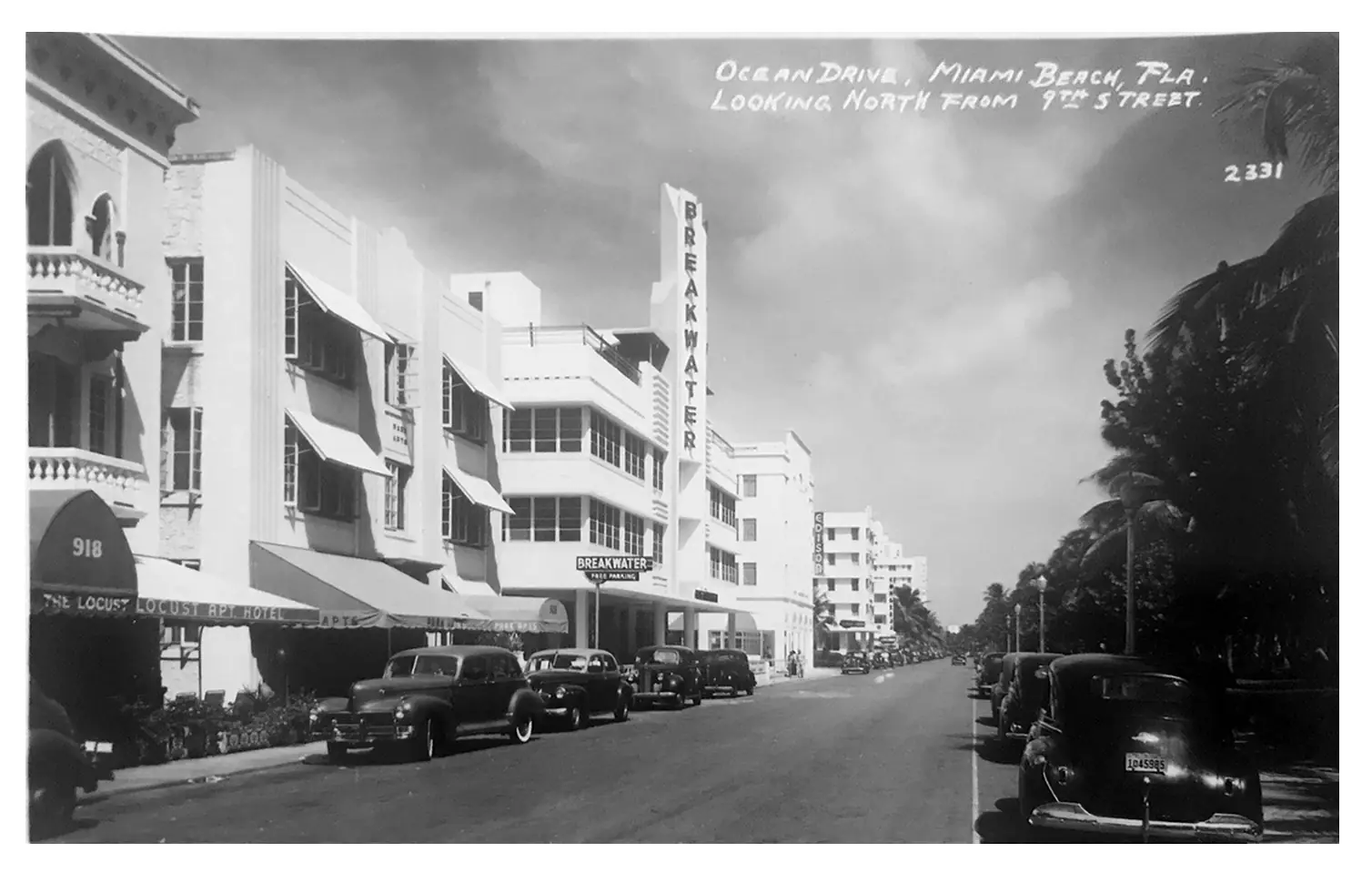
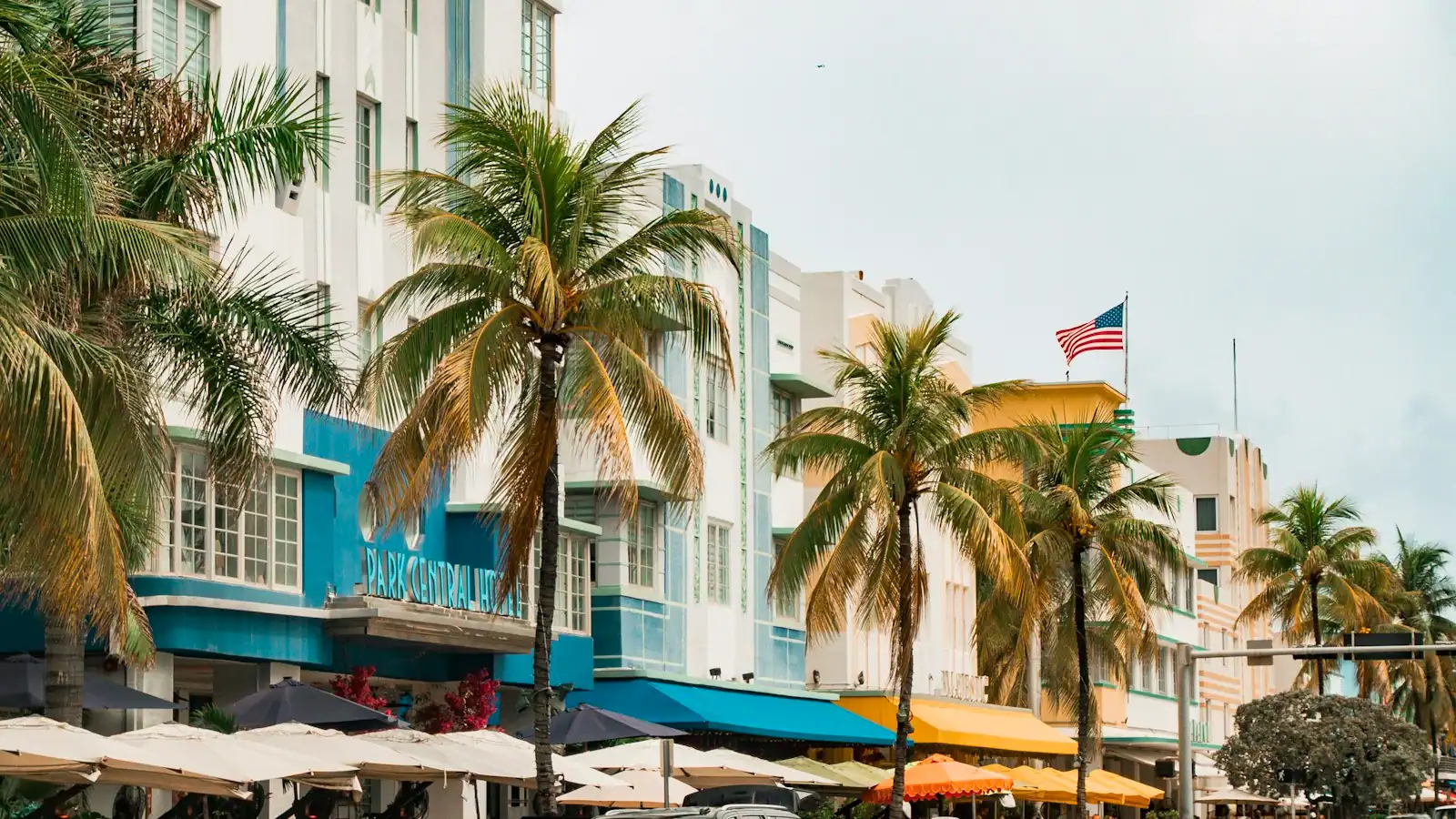
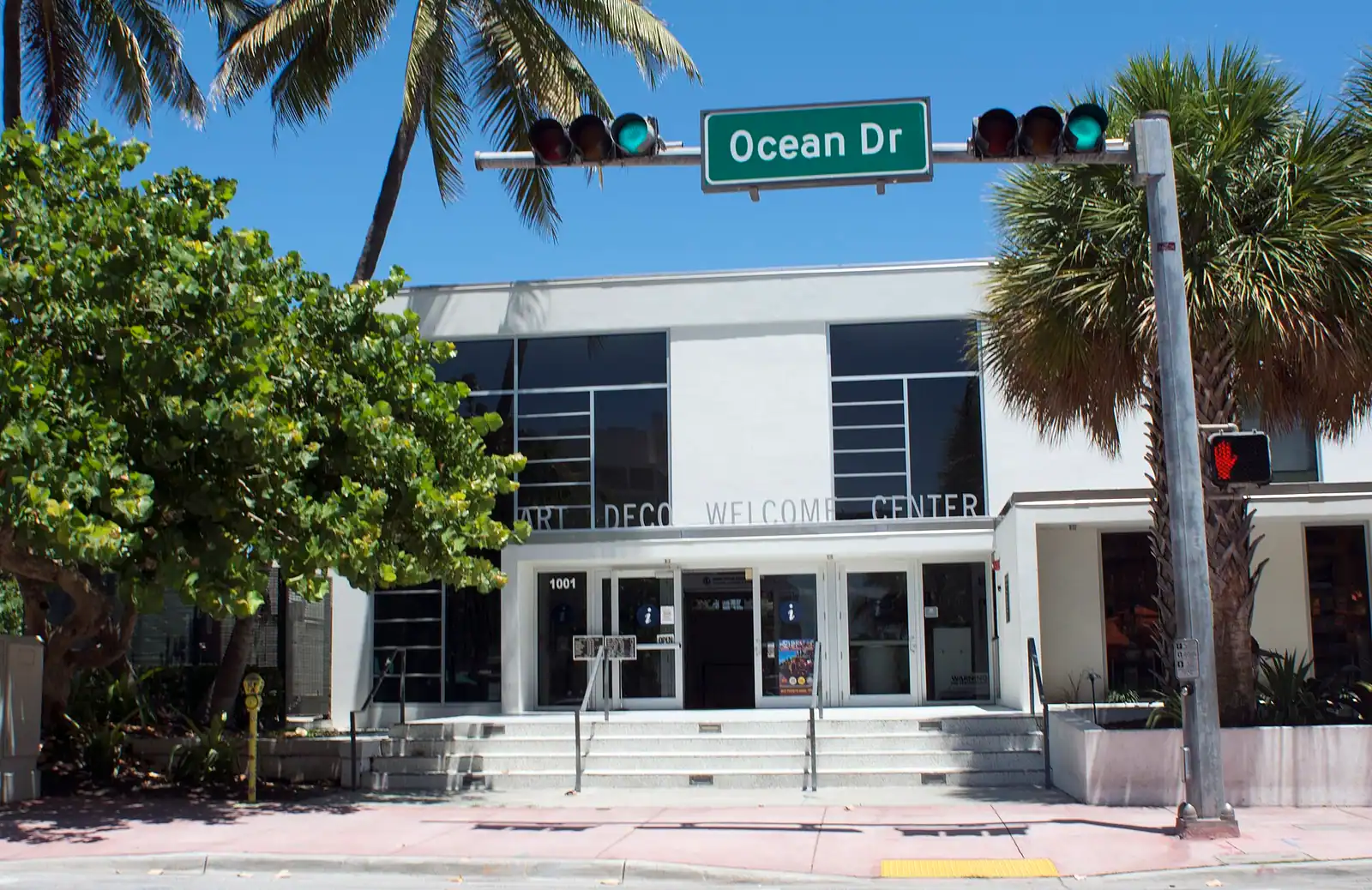
The Art Deco Welcome Center sits at 1001 Ocean Drive, at 10th Street, on the park side of the road — which is the first useful thing about it, because it means you can stand outside the door and see a full block of deco frontage across the street without moving.

It belongs to the Miami Design Preservation League, the organisation founded in 1976 by Barbara Baer Capitman and the designer Leonard Horowitz, which is to say by the two people most responsible for the fact that the buildings you are looking at still exist. Capitman did the campaigning and secured the National Register listing in May 1979. Horowitz did something less obvious and just as consequential: he produced a palette of around forty pastel shades and argued that the district's grey, weathered, sun-bleached buildings should be repainted in them.

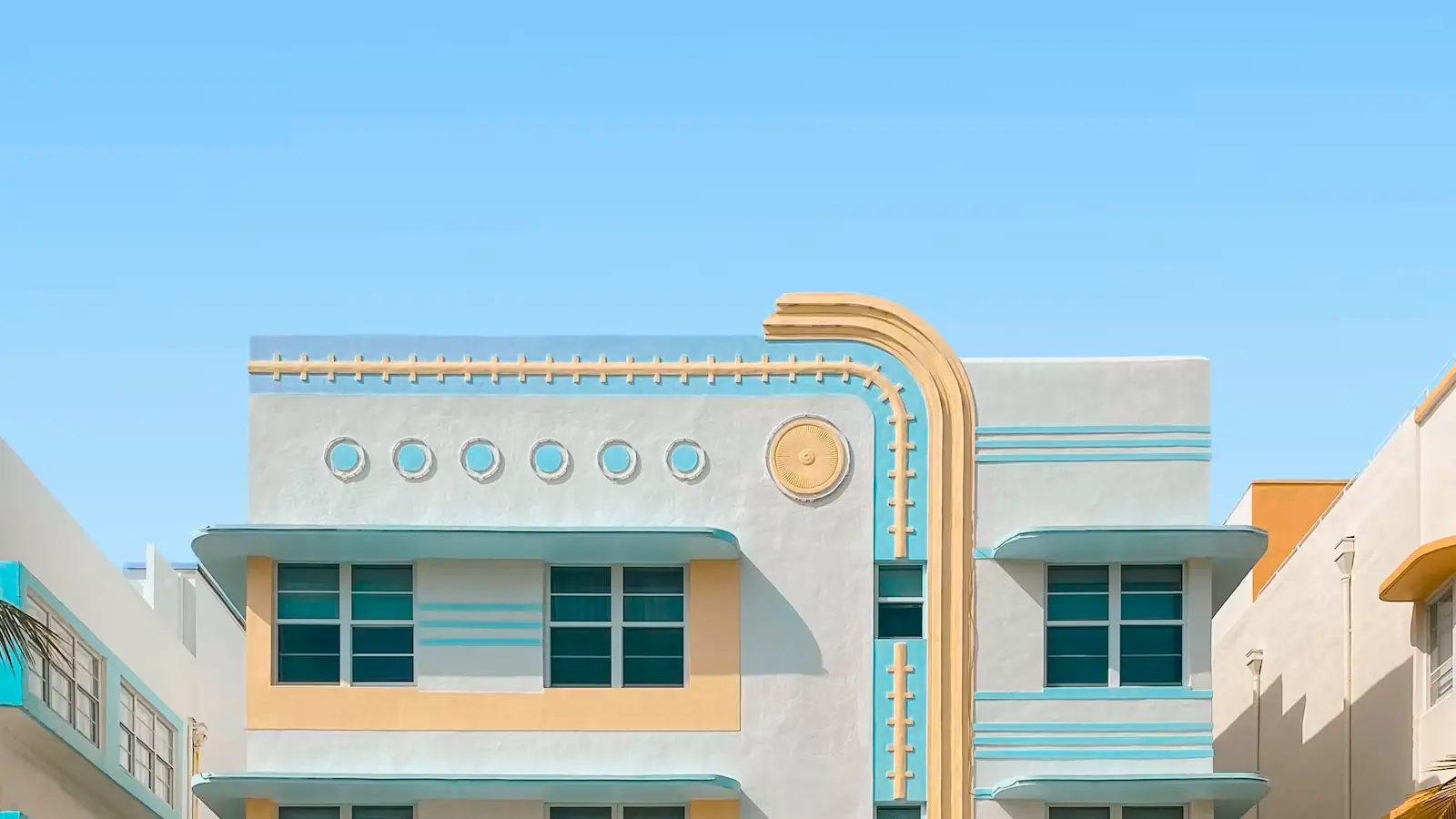
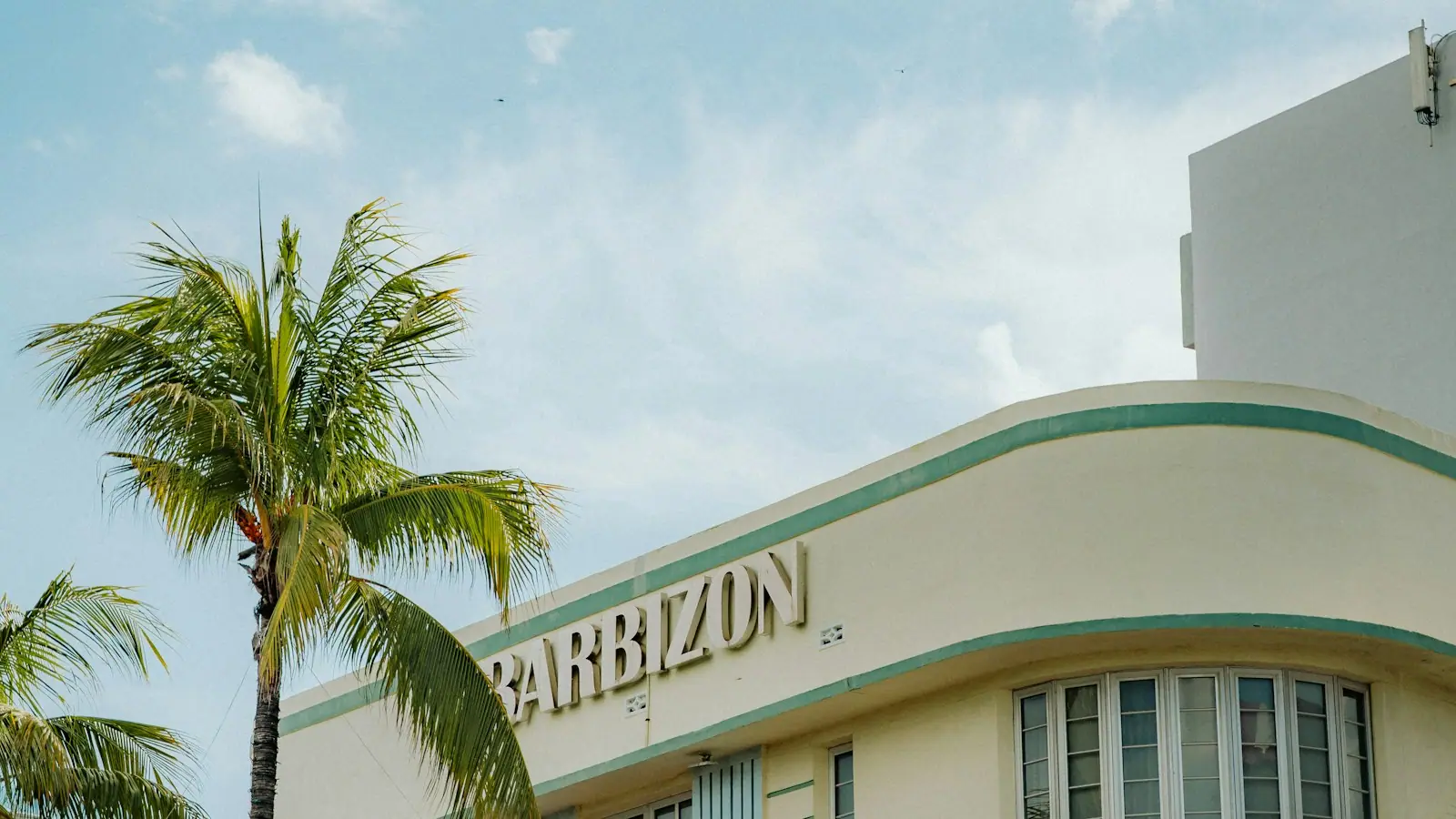
That is worth stopping on, because it upends what most visitors assume. The pastel South Beach of the postcards is not the 1930s original. The deco hotels were largely white and cream with contrasting trim when they were built. The mint, peach, flamingo and lavender that define the district's look now are a 1980s intervention by a designer with a theory, and it worked so completely that the colours are now what people travel here to see.

The building holds three things. There is a small Art Deco Museum, which is where the ten minutes pay for themselves — the styles laid out side by side, the preservation fight explained, the architects named. There is a gift shop that is the best place on the island to buy something that is not a printed vest. And there is the tour desk, where MDPL's guided walks leave.

Go here first. Everything about the next two hours of walking is better once you can tell 1925 from 1937 from 1955, and the museum does that faster than any amount of standing in front of buildings hoping.

Getting there and parking

The Welcome Center is at 1001 Ocean Drive, at the 10th Street corner, on the park side of the road rather than the hotel side. If you are walking Ocean Drive and the buildings are on your left, it is the low building on your right.

On foot from anywhere in the deco district, five to fifteen minutes. From Lincoln Road, walk east on 16th or 17th Street and then south along the Lummus Park path.

Parking. The four municipal garages on and around Washington Avenue between 7th and 17th Streets are two blocks west and are the practical choice. Meters on Ocean Drive and the cross streets are expensive and contested.

By trolley and bus, the free Miami Beach trolley and the South Beach Local both run the Washington and Collins corridors, two and one blocks west respectively.

From mainland Miami, the MacArthur Causeway brings you onto the island at 5th Street; the Welcome Center is five blocks north.

Tours depart from the building itself, so arrive with a few minutes in hand rather than trying to join a walk that has already set off along Ocean Drive.
Which tour to take, and which to skip

OptionRoughlyWho it suits
MDPL official guided walkAbout two hours, daily morning departure with an evening tour on Thursdays, museum admission includedAnyone who wants the architects, the dates and the politics, and who will use the museum ticket anyway
MDPL self-guided audio tourAbout 90 minutes, several languages, start when you likeLate risers, independent walkers, families who will not stand still, anyone travelling in a group who disagrees about pace
The museum alone20 to 30 minutesPeople who want the grammar and then want to be left alone with it
Commercial deco-plus-something toursVariesCombining architecture with food, cocktails or nightlife rather than architecture on its own

The honest ranking. The MDPL guided walk is the one that earns its money, because it is run by the organisation that saved the district, the guides know which buildings were nearly lost and why, and it goes inside lobbies that are awkward to enter on your own. The audio tour is the best value by a distance. And the museum alone is a perfectly good twenty minutes if the rest of your day is the beach.

What to skip: any tour that promises the deco district in forty-five minutes. Twenty-three blocks of architecture do not compress.

Departure times, prices and language availability all change. Check with the Miami Design Preservation League directly before you plan a morning around a specific departure, and book ahead in high season and during Art Deco Weekend in January.

The pastel palette, and what the buildings originally looked like

This is the single best piece of information the Welcome Center gives you, and it changes how the whole district reads.

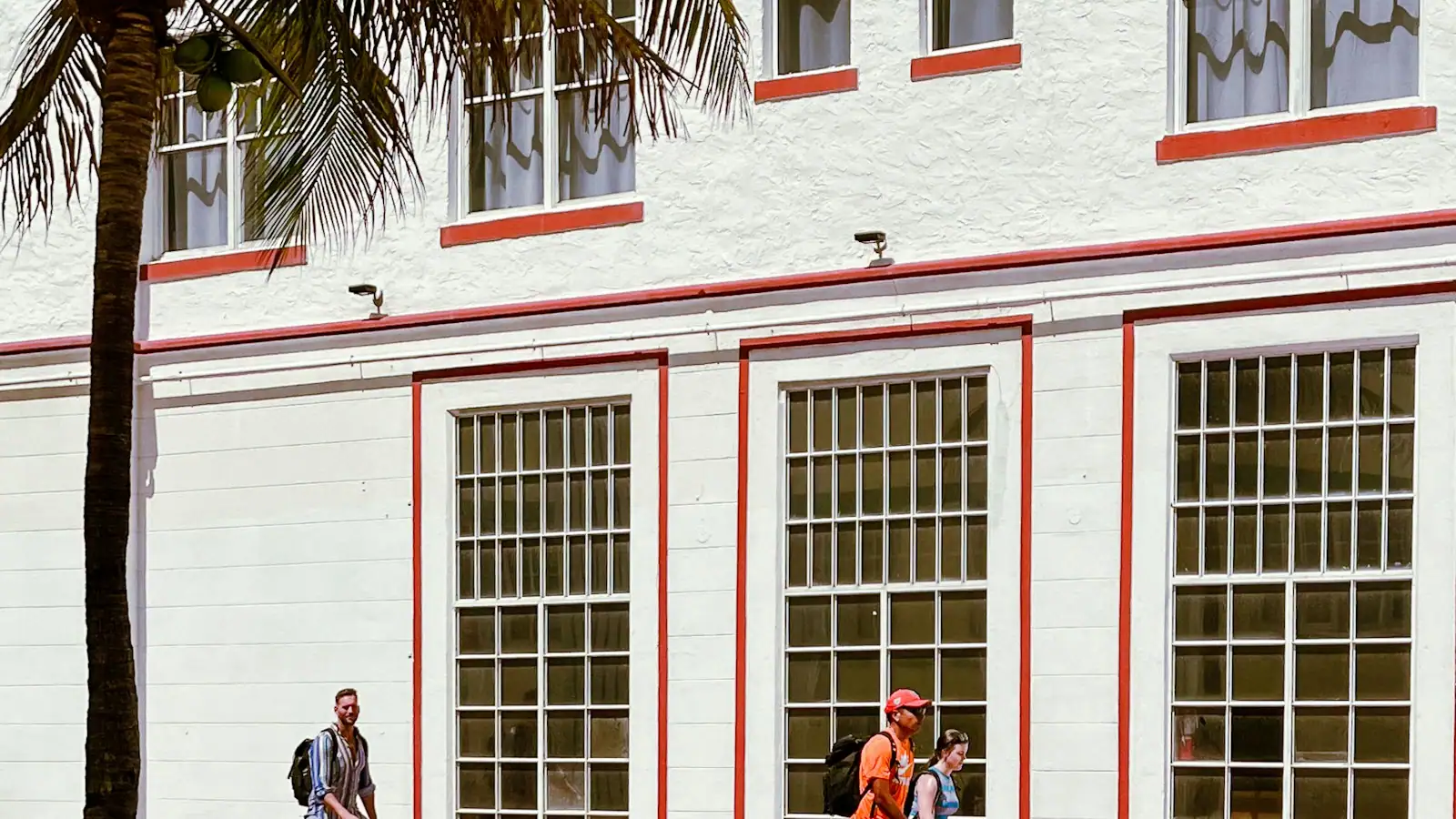
When the deco hotels went up through the 1930s they were not pastel. The prevailing finish was white or cream stucco with trim picked out in a contrasting colour — often a deep green, blue or terracotta — and detailing in chrome, glass block, keystone and terrazzo. The effect was meant to be clean, modern and bright, in the way that ocean liners and airport terminals were bright.

By the mid-1970s the district was grey. Forty years of salt air, deferred maintenance and a population of retirees on fixed incomes had left several hundred buildings looking exactly as tired as the city said they were, which is part of why demolition seemed reasonable to so many people.

Leonard Horowitz's answer, from 1976 onwards, was colour: a palette of around forty pastels drawn from the sky, the water and the sand, applied so that each building's mouldings, eyebrows, banding and parapets were picked out against the body of the wall. It made the geometry legible from across the street. It photographed extraordinarily well. Within a decade it had become the visual identity of Miami Beach and then, through television and advertising, of 1980s Florida as a whole.

So the district you are walking through is authentic 1930s architecture wearing a 1980s paint scheme designed to make 1930s architecture visible. Purists have argued about it ever since. The practical view: without the colour, there is a fair chance there would be far less architecture left to argue about.

Using the Welcome Center

  • Go first, not last. Twenty minutes in the museum before you walk is worth two hours of walking afterwards. Most people do it the other way round and wish they had not.
  • Air conditioning, restrooms and cold water. On an Ocean Drive afternoon in August those are not minor. The building is the only free indoor space on the strip.
  • The shop. Books on the district, reproduction prints, the MDPL's own publications and a lot of things that are considerably better than the merchandise sold on the street outside.
  • Ask a question at the desk. The staff and volunteers here are the people who care most about these buildings in the whole city, and they will answer far more than they are asked.
  • The view from the door. Standing outside on the park side, you have a clean, unobstructed sightline across to the hotel frontages on the west side of Ocean Drive. That is the composition every photographer wants and it is right here.
  • Timing. Mornings are quieter than afternoons, and the building fills around tour departures.
  • In January, Art Deco Weekend is MDPL's own street festival along Ocean Drive, free to attend, and the best weekend of the year to be here if the architecture is the reason you came.

Hours, admission and tour times change with the season. Confirm with the Miami Design Preservation League before you build a plan around a specific departure.

Tours that visit Welcome Center

Operators run these trips past Welcome Center, or stop there as part of a longer route. We list what the booking data supports — not everything that mentions the name.

These earn us a commission through Viator. Same price for you, and the commission had no hand in the order.

Shared departurespriced per seat, best value for one or two

Private and small-group optionsoften cheaper per head for a family or a group of six

Near Welcome Center

Straight-line distances, so allow more on the road — the island is long and has one main parkway.

  • The peach and mint facade of a three-storey Art Deco hotel seen from below with a palm frond crossing the frame

    Neighbourhood

    Ocean Drive

    Free

    Ten blocks of deco facade on one side and open park on the other, and almost everything depends on which side you choose.

    1–2.5 hoursFree to walk. The sidewalk cafes, hotel bars and beach loungers are not.40 ft away

  • Curving paved walkways running through low coastal planting in a landscaped seafront park

    Park

    Lummus Park

    Free

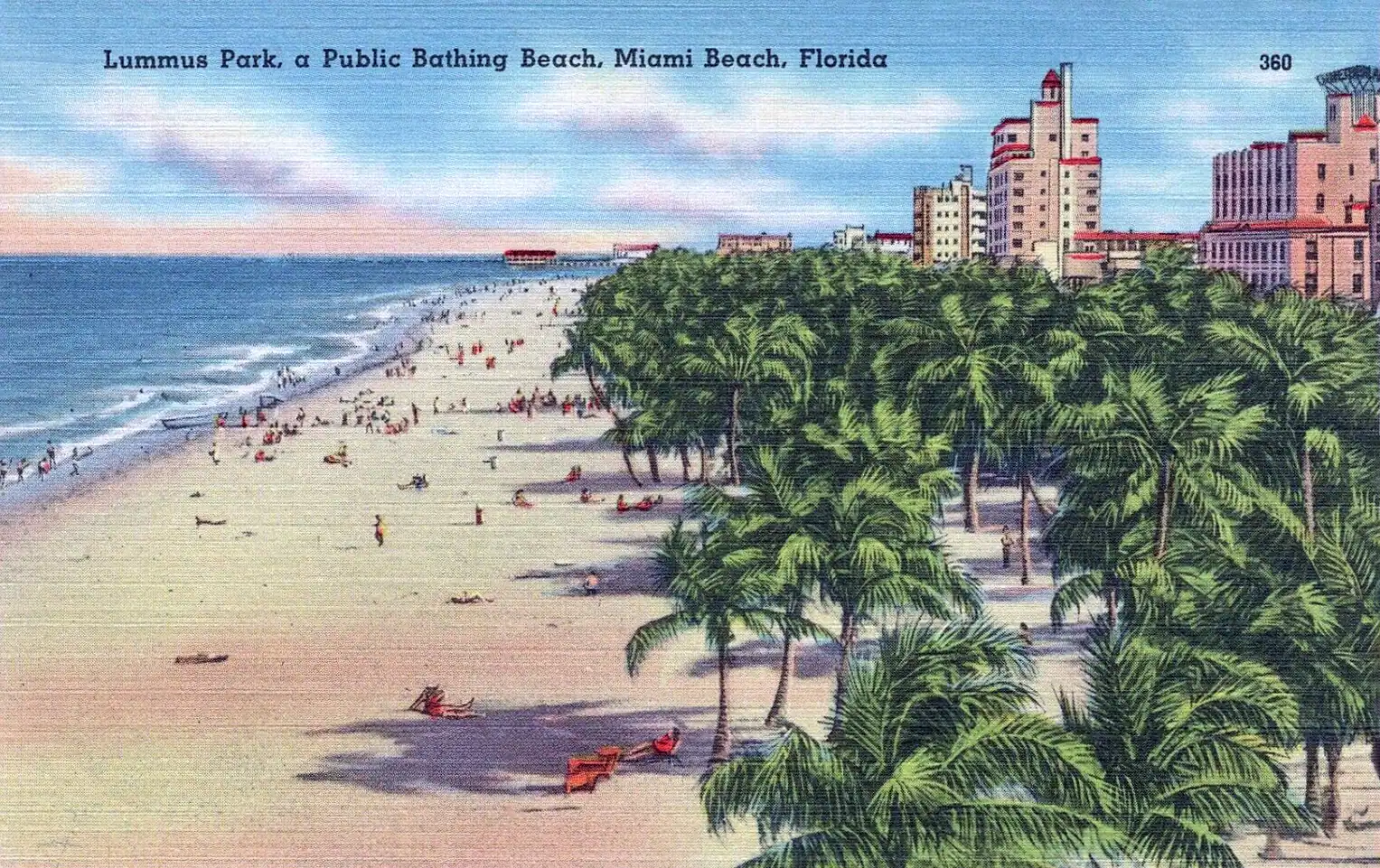
    Ten blocks of palm, path and free outdoor gym, and the decision that kept anyone from building between Ocean Drive and the Atlantic.

    0.5–3 hoursFree. The park, the outdoor gym, the volleyball courts, the restrooms and the beach access cost nothing.220 ft away

  • Clipped hedges and a stone basin in a formal courtyard garden with palms rising behind

    Historic site

    Casa Casuarina

    Free

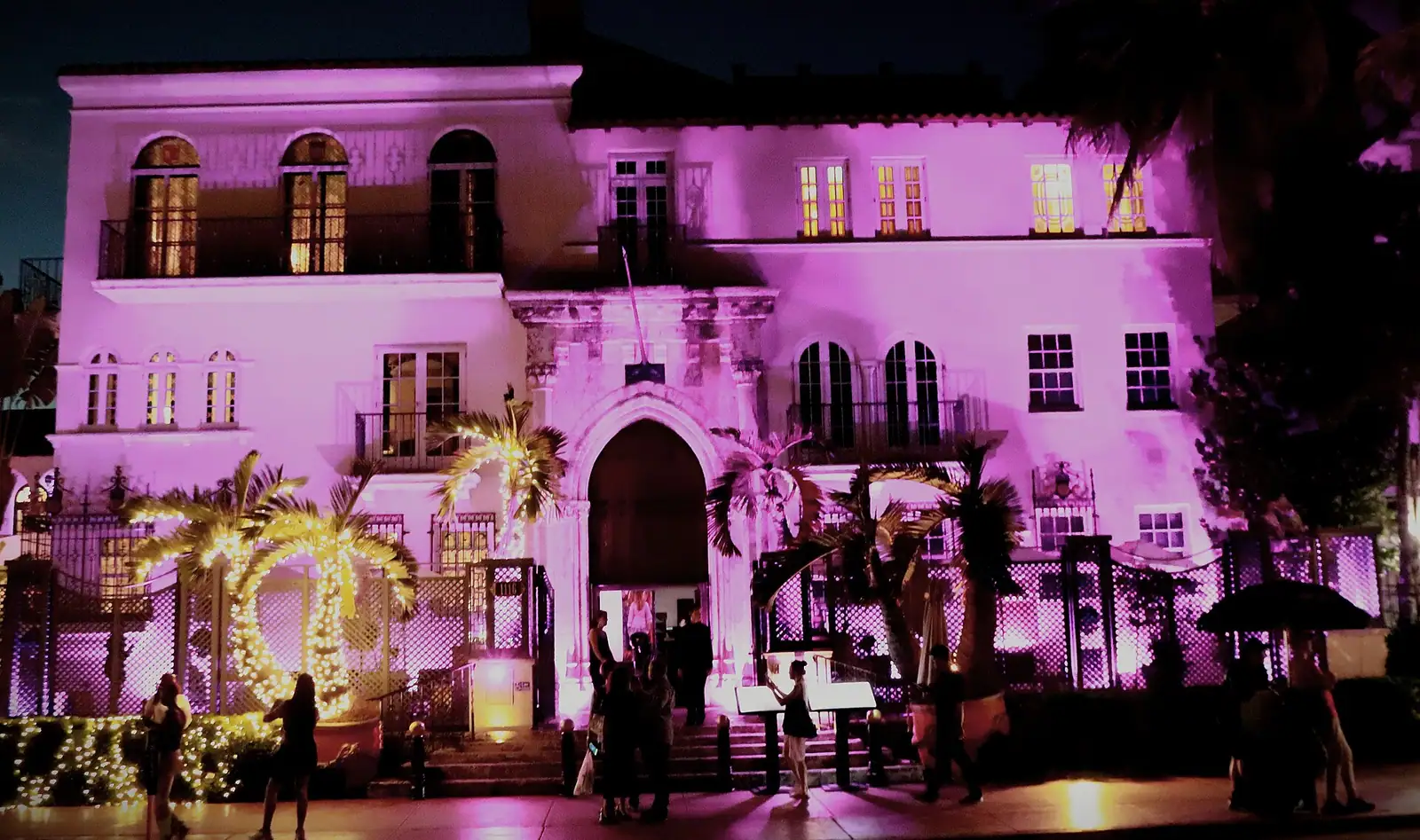
    A 1930 Mediterranean Revival palazzo dropped into the middle of a deco street, and now a private hotel you can only enter by booking.

    10–30 minutesFree to look at from the street. There is no public admission to the interior; access requires a restaurant reservation or a room booking.370 ft away

  • The peach and mint facade of a three-storey Art Deco hotel seen from below with a palm frond crossing the frame

    Landmark

    The Colony Hotel

    Free

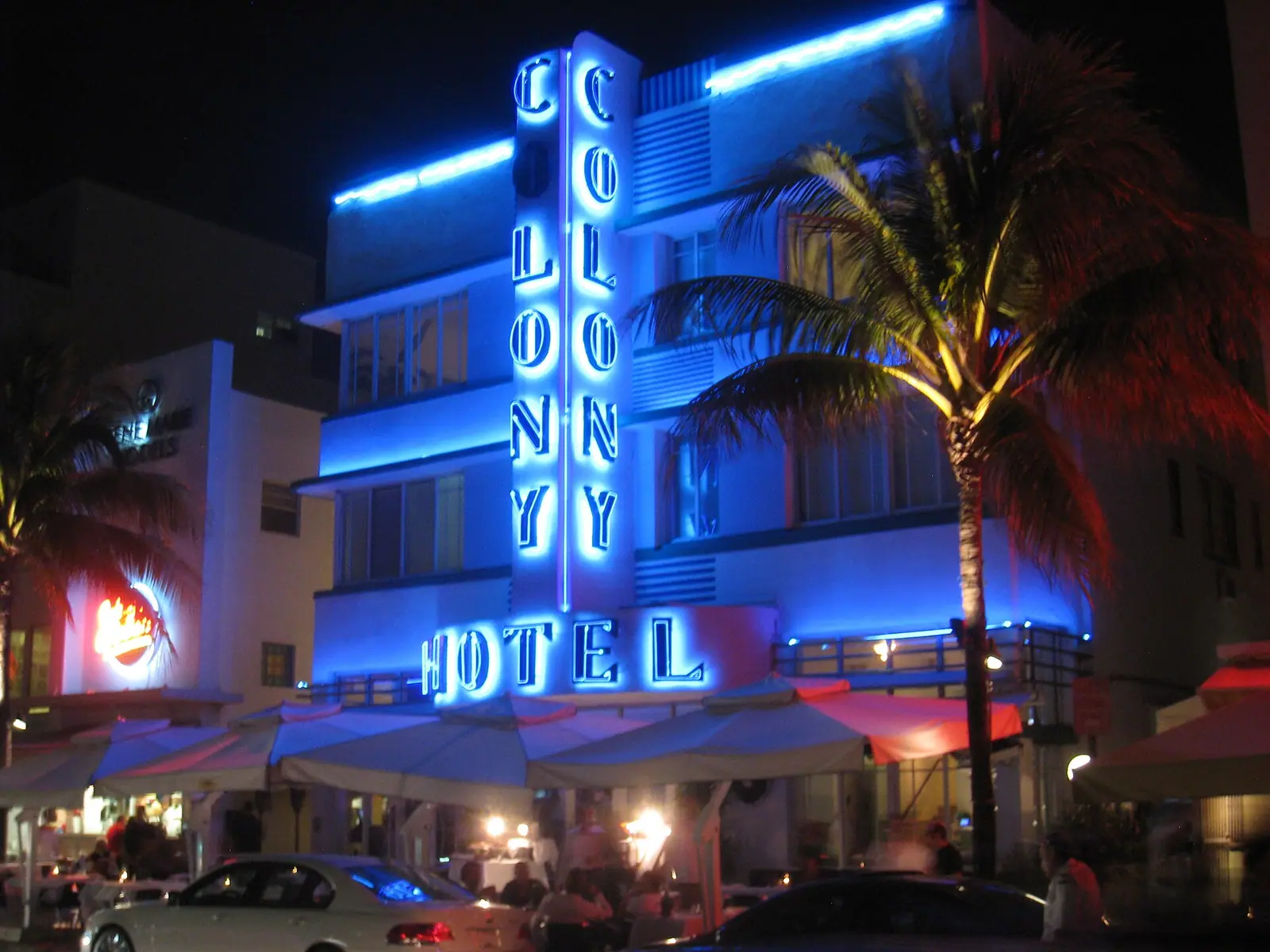
    A three-storey Henry Hohauser building from 1935 whose neon sign is the image most people carry of South Beach without knowing the name.

    10–45 minutesFree to look at. The terrace bar and cafe charge Ocean Drive prices, and the rooms are a hotel booking.620 ft away

Welcome Center: common questions

Where does the Art Deco walking tour start in South Beach?

At the Art Deco Welcome Center, 1001 Ocean Drive, on the 10th Street corner and on the park side of the road. The Miami Design Preservation League runs the official tour from the building, typically with a daily morning departure and an additional evening walk one day a week. It runs about two hours and includes admission to the Art Deco Museum inside. Times change by season, so confirm with MDPL and arrive a few minutes early.

Were the Art Deco buildings in South Beach always pastel?

No, and this surprises most visitors. The 1930s hotels were largely white or cream with trim picked out in a contrasting colour. By the mid-1970s the district was grey and neglected. The designer Leonard Horowitz, who co-founded the Miami Design Preservation League with Barbara Baer Capitman in 1976, proposed a palette of around forty pastel shades to make the buildings' geometry legible again. The pastel South Beach of the postcards is a 1980s invention.

Is the Art Deco Welcome Center free?

The Welcome Center itself, with its information desk and gift shop, is free to walk into, and it is the only free air-conditioned space on Ocean Drive. The Art Deco Museum inside is ticketed, as are the guided walking tours and the self-guided audio tour, though museum admission is included with the guided walk. Prices change; check with the Miami Design Preservation League before you go.

Is the guided tour or the audio tour better?

The guided walk if you want the argument, the audio tour if you want the freedom. MDPL's guides know which buildings were nearly demolished and why, and they take you into lobbies that are awkward to enter alone. The self-guided audio tour runs about ninety minutes, is offered in several languages, starts whenever you like and costs considerably less. Both are better than any tour promising the district in forty-five minutes.