Skip to content
Menu

These earn us a commission through Viator. Same price for you, and the commission had no hand in the order.

Search
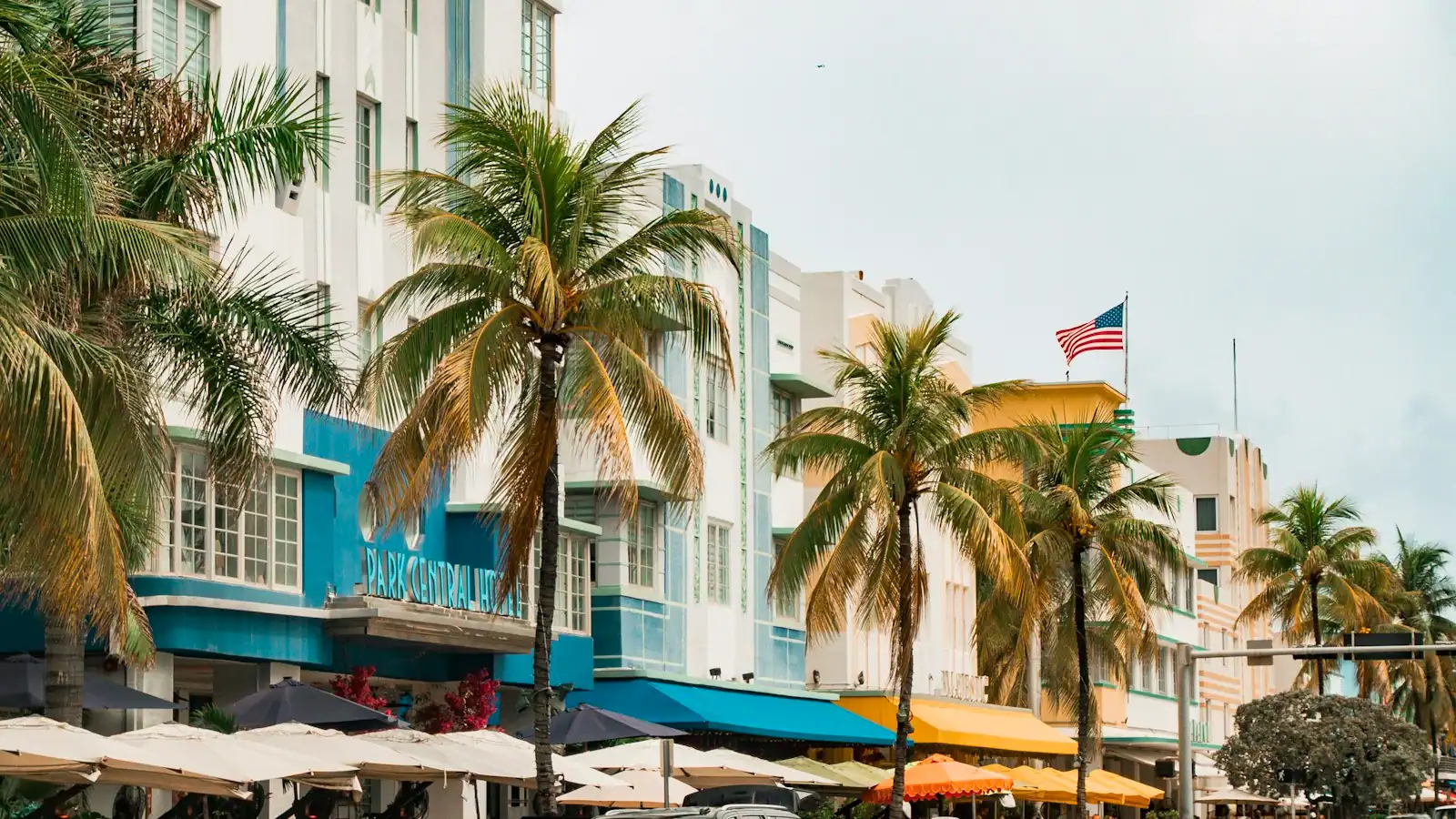
An Art Deco building and palm trees under a heavy grey cloudy sky in Miami Beach

Plan your trip

South Beach When It Rains

Last updated

What to do when it rains in South Beach: how long the storm lasts, the two museums, the covered stretches, and when to cross the bay instead.

Start with the thing most rainy-day pages will not tell you: South Beach has two museums. That is the indoor inventory. The Wolfsonian-FIU on Washington Avenue and the Bass at Collins Park, and after that you are into lobbies, shops, a cinema and lunch.

This is not a failure of the island; it is what a twenty-three block barrier island with a public beach as its main asset looks like. It does, however, mean that the useful question here is not what to see instead. It is how long you actually have to wait.

In summer, usually between thirty and sixty minutes. From roughly May to October the pattern is reliable enough to plan around: heat builds through the morning, thunderstorms form inland over the Everglades, and the line drifts east to reach the coast in the late afternoon. It arrives fast, it is loud, it can be genuinely violent, and then it clears and the evening is lovely. This is not the all-day grey that northern visitors mean by rain. If you plan the beach and the walking for the morning, you will rarely lose a day.

In winter, occasionally a whole day. The rarer version comes with a cold front in December through March: a grey, breezy, drizzling day in the 60s that sits over the island and does not move. There are only a handful of these a year, but they are the days when knowing the indoor list matters.

And the island's size turns out to be the advantage. In most beach destinations, rain means being stuck wherever you drove to. Here you are never more than fifteen minutes' walk or one free trolley ride from your room, so the correct response to a summer storm is very often to go back, wait it out and come out again at five when the light is beautiful and the pavement is steaming.

Two local hazards come with the wet rather than after it: lightning, which closes the beach and is not a formality, and king tide flooding on the low western streets in September and October, which happens on clear days as well as wet ones.

What follows is the honest indoor list, the things that still work in the wet, and the point at which crossing the bay becomes the right answer.
Our picks

The ones we would book

  • Best Value

    Best indoor hour on the island

    Why we chose it

    The Wolfsonian on Washington Avenue charges less than a cocktail on Ocean Drive and holds the collection that explains the district you have been walking through: posters, furniture and industrial design from the decades these buildings went up. Ninety minutes minimum. Check which weekday it closes before setting out in the rain.

  • Editor's Pick

    Best tour that runs in light rain

    Why we chose it

    Deco walking tours generally go ahead in a shower, and the district is better for it: the pastel façades are washed out by direct midday sun and read properly in flat light, and the window eyebrows shelter the pavement. Confirm the operator's weather policy, and prefer a morning departure between June and November.

  • Accessible

    Best wet-afternoon booking indoors

    Why we chose it

    A spa or hotel day pass along Collins Avenue is what a grey afternoon is for, and it is usually bookable the same day. Ask specifically whether thermal facilities and pool access are included or sold separately, because the terms differ at every property and the difference is often larger than the headline price.

    Little Havana Food and Walking Tour in Miami

    Small Group

    Little Havana Food and Walking Tour in Miami (opens in a new tab)

    AccessibleFree cancellationSmall group
    9.9K reviews

    Join us on a culinary and cultural walking tour of Little Havana where you will discover the traditions, history, music and flavors of…

    2–3 hours

    Prices checked

    from $69.99
  • Best for Families

    Best rainy option with children

    Why we chose it

    The cinema off Lincoln Road for two guaranteed dry hours, or the Wolfsonian, which works better with children than a picture gallery because it is full of objects, machines and posters rather than paintings. Both are within a short free trolley ride of the deco blocks, which matters when nobody wants to walk.

What rain here actually does, and how long it lasts

When to go

Summer, roughly May to October. Mornings are usually bright and hot. Storms build inland over the Everglades through the middle of the day and move east on the prevailing flow, typically reaching the coast somewhere between three and six in the afternoon. Thirty to sixty minutes of very heavy rain, frequent lightning, and then it passes. Radar apps are genuinely useful here because the storms are discrete cells rather than a front; you can often see the gap coming.

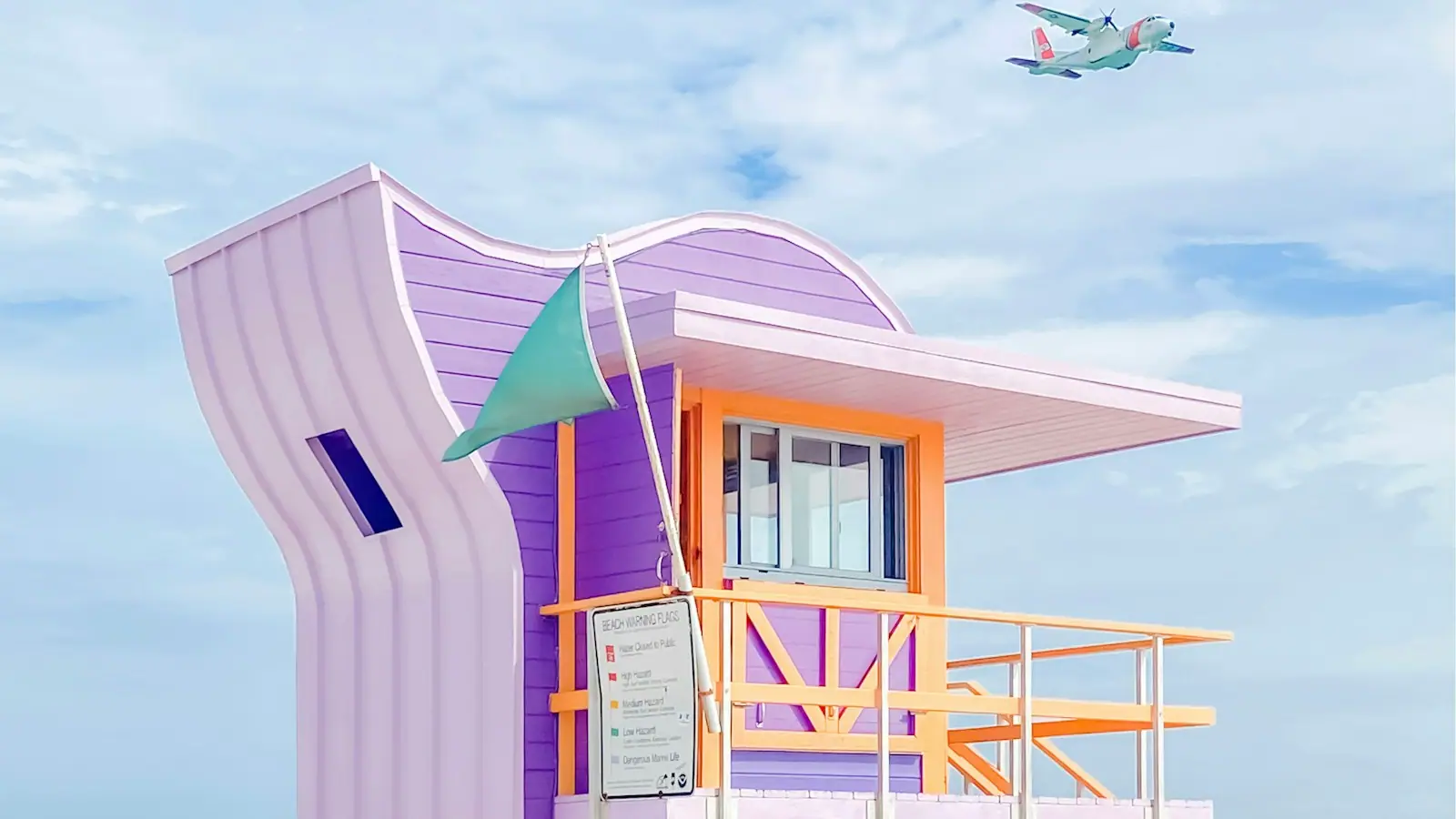
Winter, roughly December to March. Cold fronts bring the other kind: a grey, windy, drizzly day with highs in the 60s, occasionally two in a row. Rare, but these are real washouts. They also make the ocean cold and choppy, and they bring the onshore winds that put Portuguese man o' war on the beach, which is what the purple flag means.

What it means for planning. Put the beach, the deco walk and anything on the water in the morning. Keep the afternoon flexible. Book water departures between June and November with free cancellation, because operators cancel for lightning at short notice and will usually reschedule rather than refund by default.

Do not wait it out on the sand. When lifeguards raise the red and purple flags for lightning, the water and the beach clear, and that is a genuine hazard rather than an abundance of caution. Florida records more lightning strikes than any other state.

The two museums, and how long each one really takes

The Wolfsonian-FIU, 1001 Washington Avenue. The better rainy-day option and the more interesting museum. It occupies a 1927 storage warehouse and holds a collection of design, propaganda and material culture from roughly 1850 to 1950: furniture, posters, architectural fragments, industrial objects, the world that produced the buildings outside its windows. Ninety minutes is a realistic minimum and two hours is easy. Modest adult admission, reduced rates for students and seniors, and it has historically run a free evening each week.

The Bass, 2100 Collins Avenue. Contemporary art in a 1930 Russell Pancoast building that was the city's first public library, standing in Collins Park a block from the sand. An hour, less if the current show is small. Worth checking what is on before you walk twenty-five minutes in the rain for it.

Both close on a weekday, and they close on different days from each other, and those days have changed more than once. Check the current schedule before you set out. A rainy afternoon spent walking to a closed museum is a specifically annoying way to lose an hour.

A third, when the weather is merely grey rather than wet: the Miami Beach Botanical Garden at 2000 Convention Center Drive is free, small, and considerably nicer under cloud than under the July sun.

An hour indoors without buying anything much

Local tips

  • Hotel lobbies. The most underused indoor space on the island. Working deco lobbies along Ocean Drive and Collins Avenue are public-facing rooms, many with original terrazzo, etched glass and light fittings, and a quiet visitor who buys a coffee is welcome. A storm is the ideal excuse.
  • The covered stretches of Lincoln Road. Not the whole mall, but the arcades and canopied sections hold shelter, and it is the one place on the island where you can browse shops for an hour under cover.
  • The cinema off Lincoln Road. A multiplex, air-conditioned, and the single most reliable two-hour solution on the island.
  • Bookshops and record shops on Lincoln Road and Washington Avenue.
  • A long lunch one block west. Storms here last less than a main course. Sit down somewhere with printed prices and let it pass.
  • A spa afternoon. Several hotels along Collins sell day passes or treatment-plus-facilities arrangements, and a wet afternoon is exactly what they are for. Ask what a pass includes before you book, because it varies by property.
  • The free trolley. Twenty dry minutes, no fare, running roughly every twenty minutes. Not an attraction, but a genuinely useful way to move between indoor places without getting soaked.

The things that still work in the wet

A grey day is better for some of this island than a bright one.

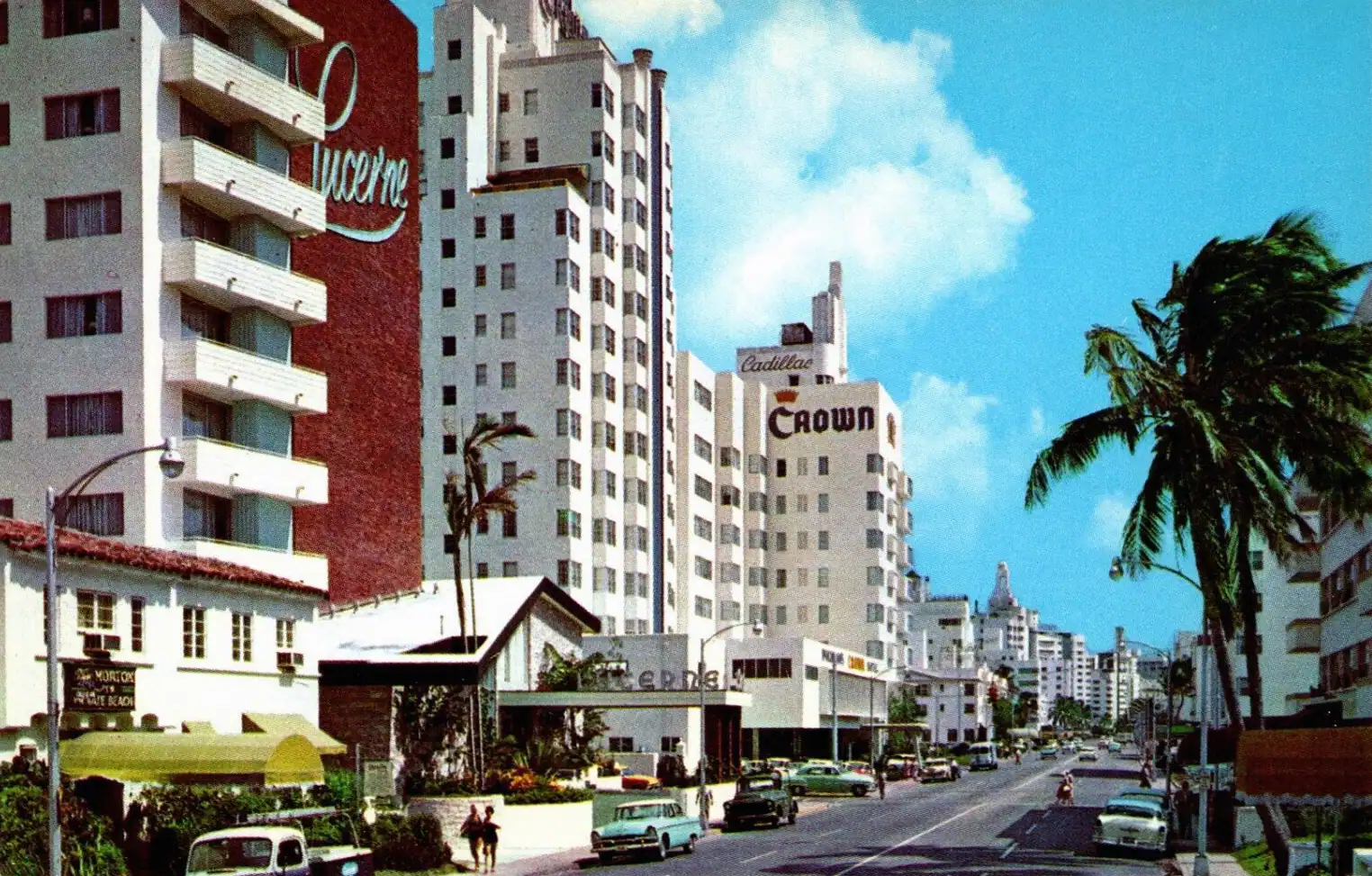
The architecture photographs beautifully under cloud. The pastel façades on Ocean Drive are washed out by direct midday sun and read far better in flat light, and the neon starts to show against a dark sky hours earlier than usual. A deco walk in light rain is a legitimately good idea.

The eyebrows are shelter. The cantilevered concrete ledges over the windows were designed to throw shade, and they throw rain as well. Walking the west side of Ocean Drive and Collins in a shower, you spend a surprising amount of it dry.

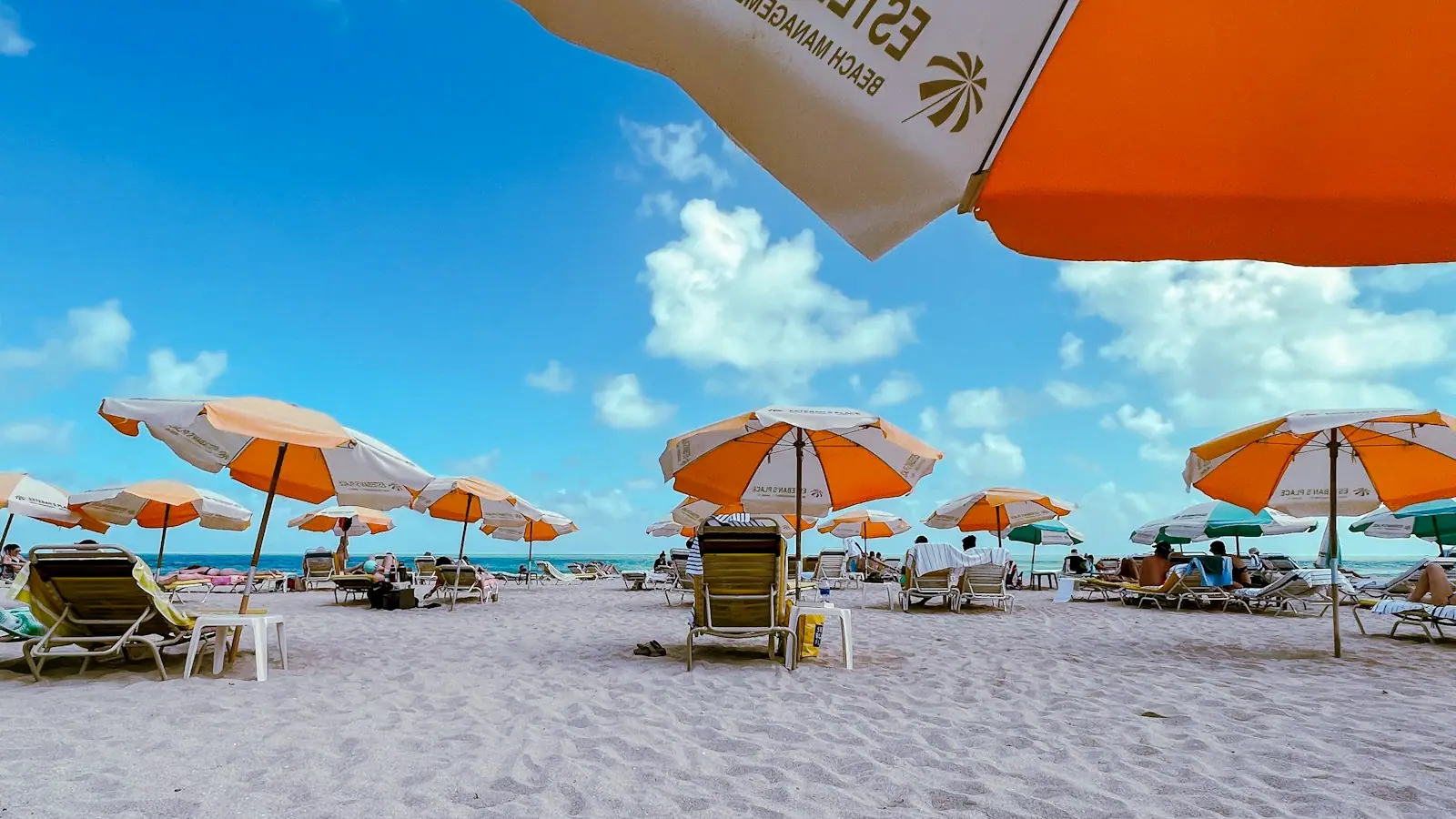
The beach empties. Once the lightning has passed, the sand in the last hour of a wet day is as empty as it gets outside sunrise. Cool, grey, dramatic, and yours.

South Pointe Park and the pier are excellent in a squall, so long as there is no lightning. The shipping channel under low cloud with a ship coming out of it is the most cinematic free thing here.

The Holocaust Memorial on Meridian Avenue is an outdoor site, open until sunset and free. It is not diminished by rain. Several people who know it well think grey weather suits it.

The water is warm. In summer the Atlantic is in the mid-80s and swimming in light rain is pleasant. Lightning is the thing that stops you, not the rain itself.

When to give up and cross the bay

There is a point at which the honest answer is that the mainland has the wet-weather depth this island does not, and pretending otherwise would waste your day.

If the forecast is a full frontal washout rather than an afternoon cell, the museums across the water are genuinely the better use of it. The bayfront park in downtown Miami holds both the art museum and the science museum with its aquarium and planetarium, side by side, around fifteen to twenty minutes over the MacArthur Causeway outside peak traffic. Wynwood's galleries are indoor. So are the Design District's.

How to do it without losing the day to traffic. Go before ten or after two. The causeway backs up hard around the evening peak, rideshare surges with it, and a fifteen-minute crossing becomes forty. If you are coming back for dinner on the island, leave the mainland by four.

What not to do. Do not attempt the Everglades or a Keys drive on a wet day as a substitute. Both are worse in rain, both are long, and both deserve a clear morning.

And the cheap version: wait. Most South Beach rain is a heavy half hour. The number of times a visitor here genuinely needs a full indoor day is small, and the correct response to the other ninety percent is a long lunch a block west and a walk at five, when the storm has gone through, the light turns and the whole island smells of wet paving and salt.

Book it

Everything else we track

These earn us a commission through Viator. Same price for you, and the commission had no hand in the order.

Sharing, or having it to yourselves

Most of what is bookable here sells two ways, and the cheaper one is not always the cheaper one. A shared departure is priced per person; a private booking is priced for the party, so the arithmetic flips somewhere around four to six people — and it is the only version where you pick the time. Check the party size each listing actually covers before you decide.

  • Book a seat

    A shared departure, priced per person. The cheapest way to do this for one or two people.

  • Book the whole thing

    Priced for the party rather than the seat, and you choose the departure time.

Lightning, drains and the king tides

Before you book

Lightning closes the beach, and lifeguards clear the water and the sand when it does. Florida leads the United States in lightning strikes, the summer storms here are electrically active, and a beach with no tall structures is precisely the wrong place to wait one out. Go indoors, not under a palm.

The drains cannot always keep up. A heavy summer cell can drop a lot of water in twenty minutes, and the low-lying western side of South Beach, around Alton Road, West Avenue and the bay-side blocks, ponds quickly. It usually drains within the hour.

King tides are the version that catches people out. In September and October the highest astronomical tides of the year push sea water up through the storm drains on the western streets, on clear sunny days as well as wet ones. The city has spent years raising roads and installing pumps and it is much better than it was, but a car left in a low block on a king tide afternoon can end up standing in salt water. Check the tide calendar in those months and park higher.

Driving in it. Visibility during a South Florida downpour drops to very little for a few minutes, the causeways are exposed, and standing water on the low streets is deeper than it looks. If a storm arrives while you are walking, this is another argument for not having the car at all.

Flags. Red means strong surf or current, double red means the water is closed, purple means marine pests, and all three go up more often in unsettled weather.

On the ground

Where to go

Every place below has its own page — hours, parking, what it costs and what to expect when you get there.

  • Clipped hedges and a stone basin in a formal garden with palms rising behind

    Historic site

    Holocaust Memorial Miami Beach

    Free

    A memorial built by the survivors who settled on this island, designed as a single walk you are meant to take in order.

    0.5–1.5 hoursFree. There has never been an admission charge.

  • A darkened auditorium with tilted seating and projected imagery filling the ceiling above

    Entertainment

    New World Center

    Frank Gehry's hall for an orchestral academy, with a 7,000-square-foot wall that plays the concert to the park for free.

    1–2.5 hoursTicketed for concerts inside, with many performances published starting at around $25. WALLCAST concerts projected onto the east wall and watched from SoundScape Park are free and need no ticket.

  • The peach and mint facade of a three-storey Art Deco hotel seen from below with a palm frond crossing the frame

    Neighbourhood

    Ocean Drive

    Free

    Ten blocks of deco facade on one side and open park on the other, and almost everything depends on which side you choose.

    1–2.5 hoursFree to walk. The sidewalk cafes, hotel bars and beach loungers are not.

  • A public pier running out over the water with a city skyline behind it at dusk

    Park

    South Pointe Park

    Free

    Fifteen minutes south of the Ocean Drive crowd, the island stops at a shipping channel and everything gets quieter.

    1–3 hoursFree. The park, the pier, the splash pad, the playground, the dog park and the beach access cost nothing.

  • A restored historic lobby with a painted ceiling, stone arches and decorative ironwork

    Museum

    The Wolfsonian–FIU

    A 1927 furniture vault holding the objects that taught the twentieth century how to sell itself, two blocks from Ocean Drive.

    1–2 hoursTicketed. Published at around $12 for adults and around $8 for seniors, students and children roughly six to eighteen, with free admission for Florida residents, under-sixes, members, visitors with disabilities and their companions, and military and veterans with ID. Free for everyone on Friday evenings, 6–9pm.

  • A visitor standing in a small gallery looking at framed works hung on a white wall

    Museum

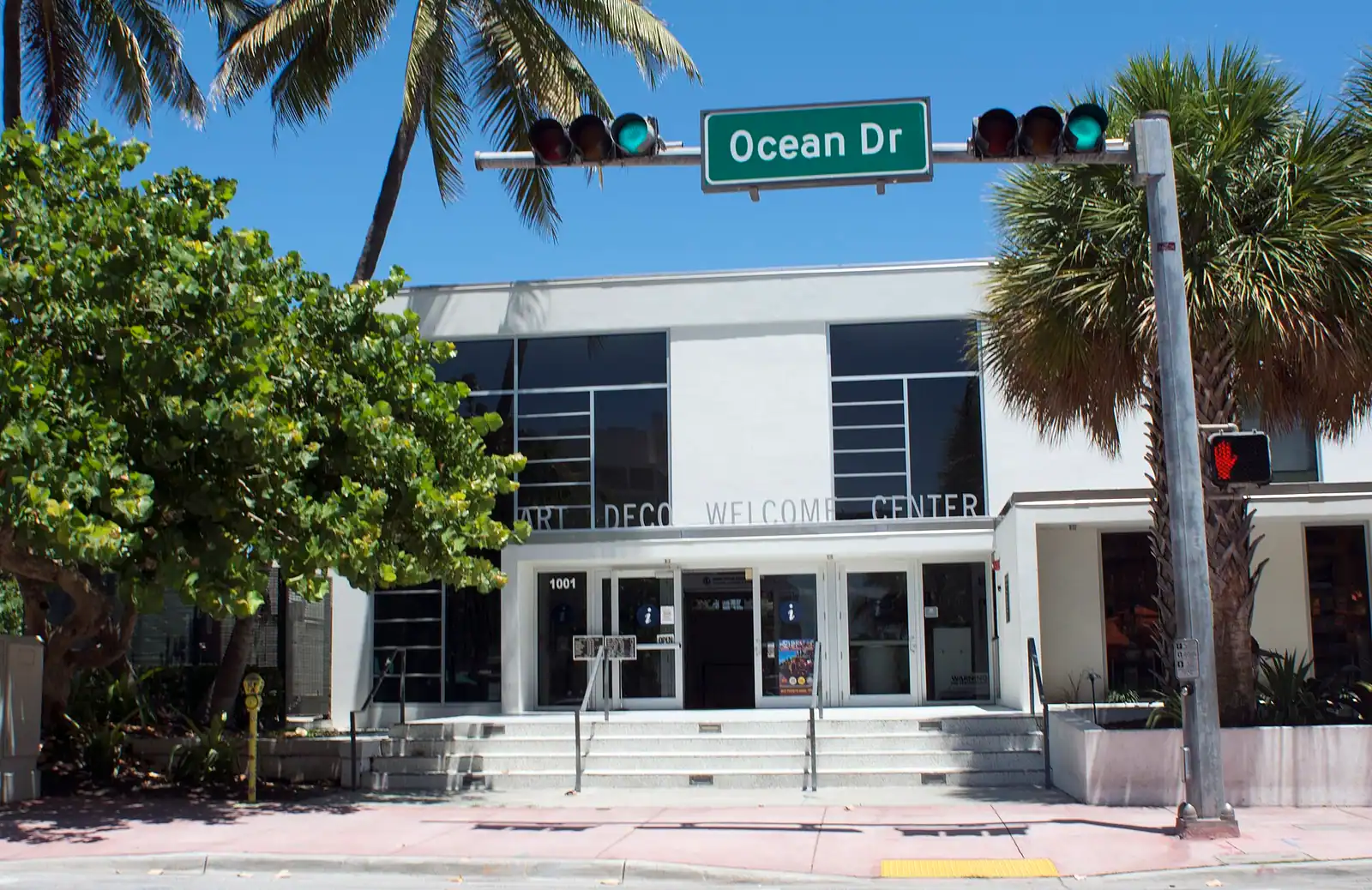
    Art Deco Welcome Center

    The preservation league's own building, and the ten minutes that make the next two hours of walking make sense.

    0.5–2.5 hoursThe Welcome Center, shop and information desk are free to enter. The Art Deco Museum, guided walking tours and the self-guided audio tour are ticketed, with museum admission included in the guided tour.

  • A bright double-height gallery with large-scale contemporary works and a window onto daylight

    Museum

    The Bass

    A 1930 keystone library built by the family that made this island, now showing contemporary art four blocks from Ocean Drive.

    1–2 hoursTicketed. Adult admission has been published at around $15, with reduced rates for seniors, students and children and free entry for Miami Beach and Surfside residents. Collins Park and the sculpture outside are free.

  • A visitor standing in a gallery looking at framed works hung on a white wall

    Neighbourhood

    Washington Avenue

    Free

    Two blocks back from the ocean and about a third of the price, with the district's best museum and all four cheap garages on it.

    1–3 hoursThe street is free, as is the post office lobby. The Wolfsonian and the Jewish Museum of Florida charge admission.

  • A wide pedestrian shopping street lined with palms and terraces under strong midday sun

    Shopping

    Lincoln Road Mall

    Free

    A Morris Lapidus landscape from 1960 that has become a chain high street, with three blocks at the western end that have not.

    1–3 hoursFree to walk. Shops, restaurants, cinema and theatre tickets are not.

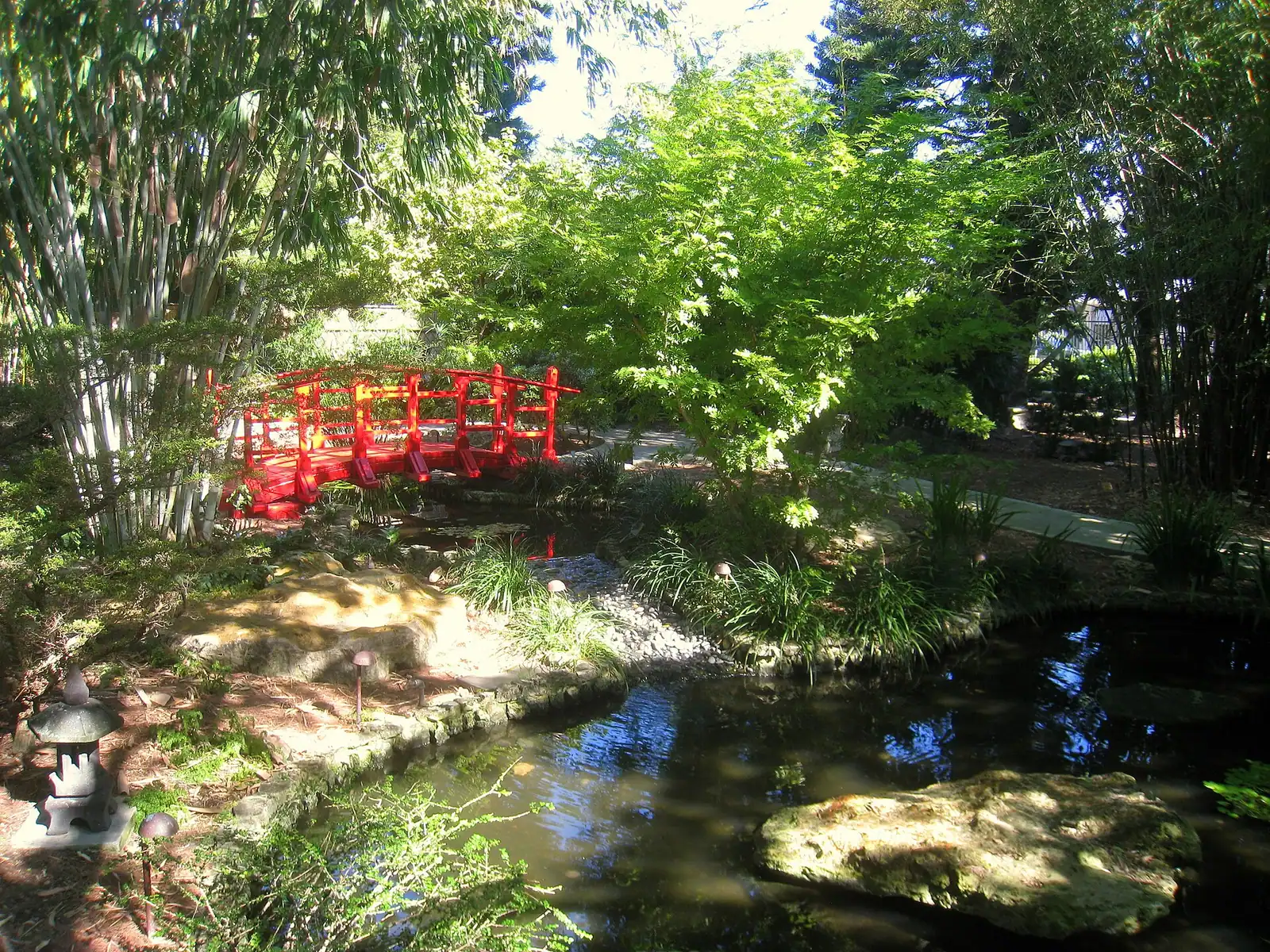
  • A red timber bridge crossing the pond in the Japanese garden at the Miami Beach Botanical Garden

    Park

    Miami Beach Botanical Garden

    Free

    Two and a half acres of free, densely planted shade behind the convention centre — the coolest ground in South Beach in August.

    0.5–1 hoursFree. Donations and memberships support the non-profit that runs it.

  • A palm-lined beach in front of a row of mid-rise hotel buildings

    Neighbourhood

    Collins Avenue

    Free

    One block back from the ocean, named for a New Jersey avocado farmer, and the reason anyone could reach this island at all.

    0.5–2 hoursFree to walk. Hotels, shops and restaurants are not.

Straight answers

Questions people actually ask

What is there to do in South Beach when it rains?

The Wolfsonian-FIU on Washington Avenue and the Bass at Collins Park are the two museums. Beyond them: the cinema off Lincoln Road, the covered arcades of the mall, hotel lobbies along Ocean Drive and Collins, a spa day pass, and a long lunch one block west of the strip. Most South Beach rain lasts thirty to sixty minutes, so waiting is usually the right answer.
How long does rain last in Miami Beach?

In summer, typically thirty to sixty minutes. Storms build inland over the Everglades through the morning and drift east to reach the coast in the late afternoon, arriving fast and clearing fast. The rarer winter version comes with a cold front in December through March and can sit over the island all day, with highs in the 60s. There are only a handful of those a year.

Are there museums in South Beach?

Two. The Wolfsonian-FIU at 1001 Washington Avenue holds design, propaganda and industrial objects from roughly 1850 to 1950 in a 1927 warehouse, and takes ninety minutes to two hours. The Bass at 2100 Collins Avenue shows contemporary art in a 1930 Russell Pancoast building and takes about an hour. They close on different weekdays from each other, so check before you go.

Do walking tours run in the rain in South Beach?

Usually yes for light rain, and the district is arguably better in it: flat light suits the pastel façades far more than direct midday sun, and the cantilevered eyebrows over the windows shelter the pavement. Confirm the operator's weather policy when booking. Water departures are a different matter, and lightning cancels those at short notice between June and November.

Does South Beach flood when it rains?

The low-lying western streets can pond quickly in a heavy summer cell, around Alton Road, West Avenue and the bay-side blocks, and it usually drains within the hour. The more serious version is the September and October king tides, when the highest astronomical tides of the year push sea water up through the storm drains on clear days as well as wet ones. Park on higher ground in those months.

Is it safe to swim in the rain in Miami Beach?

Rain itself is not the problem; lightning is. Florida records more lightning strikes than any other state, the summer storms here are electrically active, and lifeguards clear the water and the sand when they raise the flags for it. That is a genuine hazard, not caution. Once the electrical activity has passed, swimming in light rain on a mid-80s sea is perfectly pleasant.

Should you cross to Miami if it rains all day?

If it is a full frontal washout rather than an afternoon storm, yes. The mainland has the indoor depth South Beach does not: the art museum and the science museum with its aquarium and planetarium sit side by side on the downtown bayfront, fifteen to twenty minutes over the MacArthur Causeway outside peak traffic. Go before ten or after two, and leave the mainland by four if you want dinner on the island.

What should you do if a storm starts while you are on the beach?

Leave the sand. When lifeguards raise the red and purple flags for lightning, the water and the beach clear, and a flat beach with no tall structures is the wrong place to wait. Do not shelter under a palm. The nearest lobbies, the beach concession buildings and the covered stretches of Lincoln Road are all within a short walk of any street-end access point.