Skip to content
Menu

These earn us a commission through Viator. Same price for you, and the commission had no hand in the order.

Search
Rows of simple beach cabanas and painted shelters set back behind a line of palms
andrea.anzi

Landmark

South Beach Lifeguard Stands

Last updated

Around three dozen individually designed towers along Miami Beach, each known by the street it stands at rather than by a number.

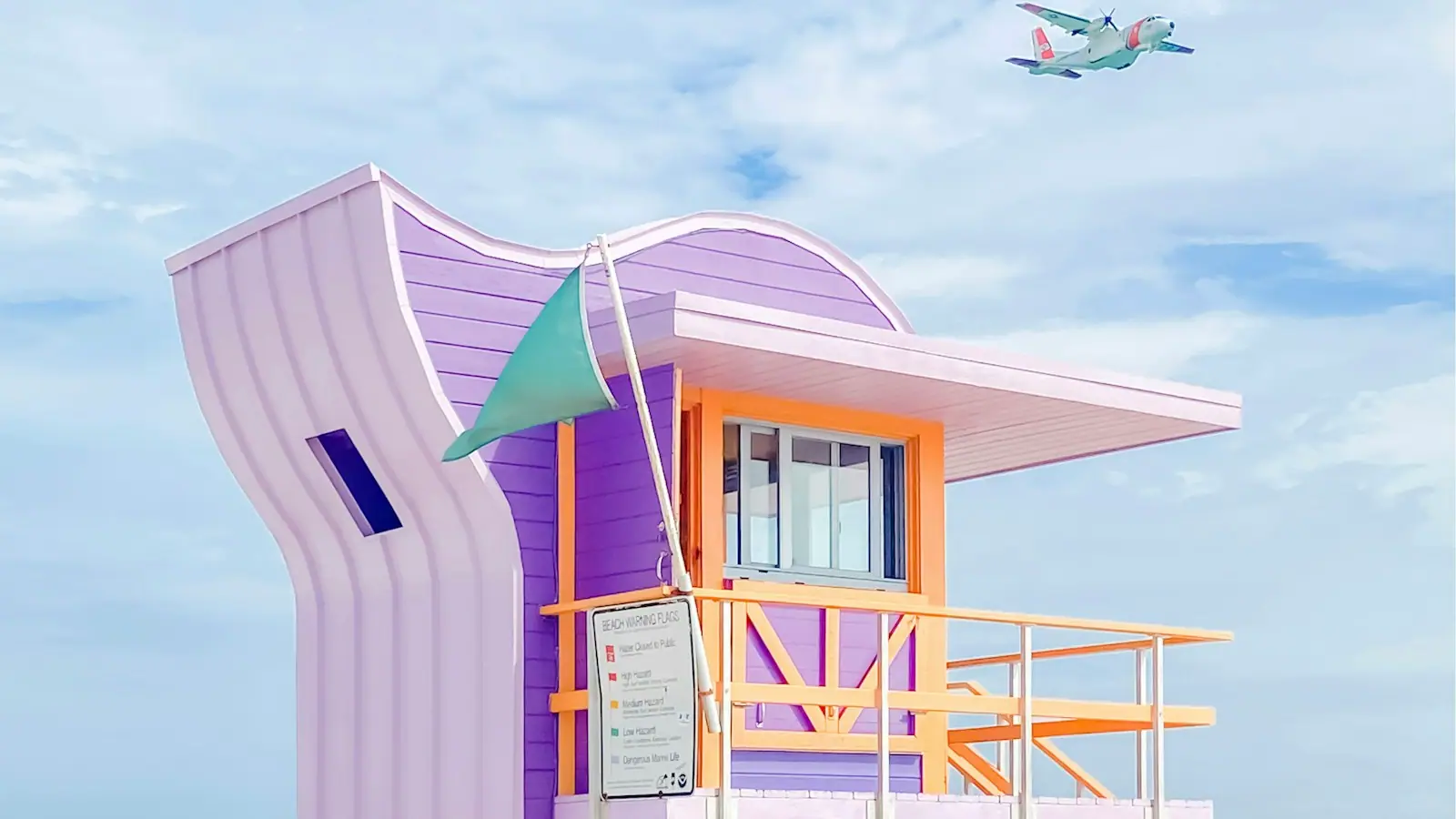
Start with the correction, because almost every guide gets it wrong. The lifeguard towers of Miami Beach are not numbered one to thirty-six. There is no tower six in the sense of a sequence. Each one is known by the cross street it stands at — the 10th Street tower, the 14th Street tower, the 21st Street tower — and that is how Ocean Rescue dispatches to them, how locals arrange to meet at them, and how you should think about them. Working south to north through South Beach, there are stations at the jetty and South Pointe, then at 1st, 3rd, 5th, 6th, 8th, 10th, 12th, 13th, 14th, 15th, Lincoln Road, 17th, 18th and 21st Streets, with the line continuing north through Mid-Beach to the mid-80s streets.

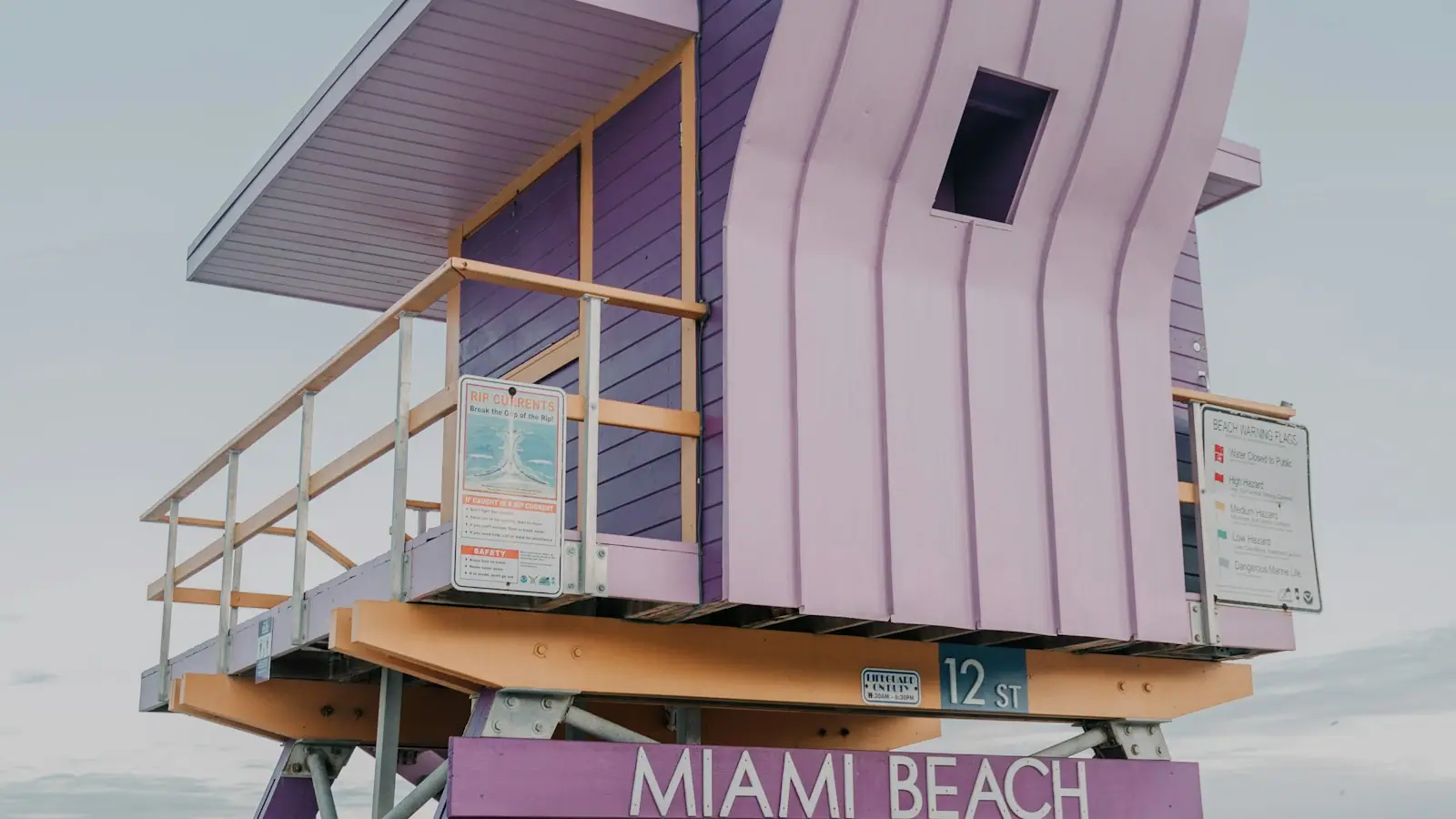
They exist in their current form because of a hurricane. Andrew crossed south Miami-Dade in August 1992 and destroyed a number of the city's stands. The City of Miami Beach commissioned the architect William Lane to design replacements, and in the years that followed he produced a set of towers that borrowed openly from the buildings across the sand: deco eyebrows and stepped parapets, mid-century angles, portholes, finials, and colour schemes drawn from Caribbean paint rather than beach beige. Roughly two decades later the city asked him back to design a second generation — reported as six prototypes — to replace the ageing fleet of around three dozen towers.

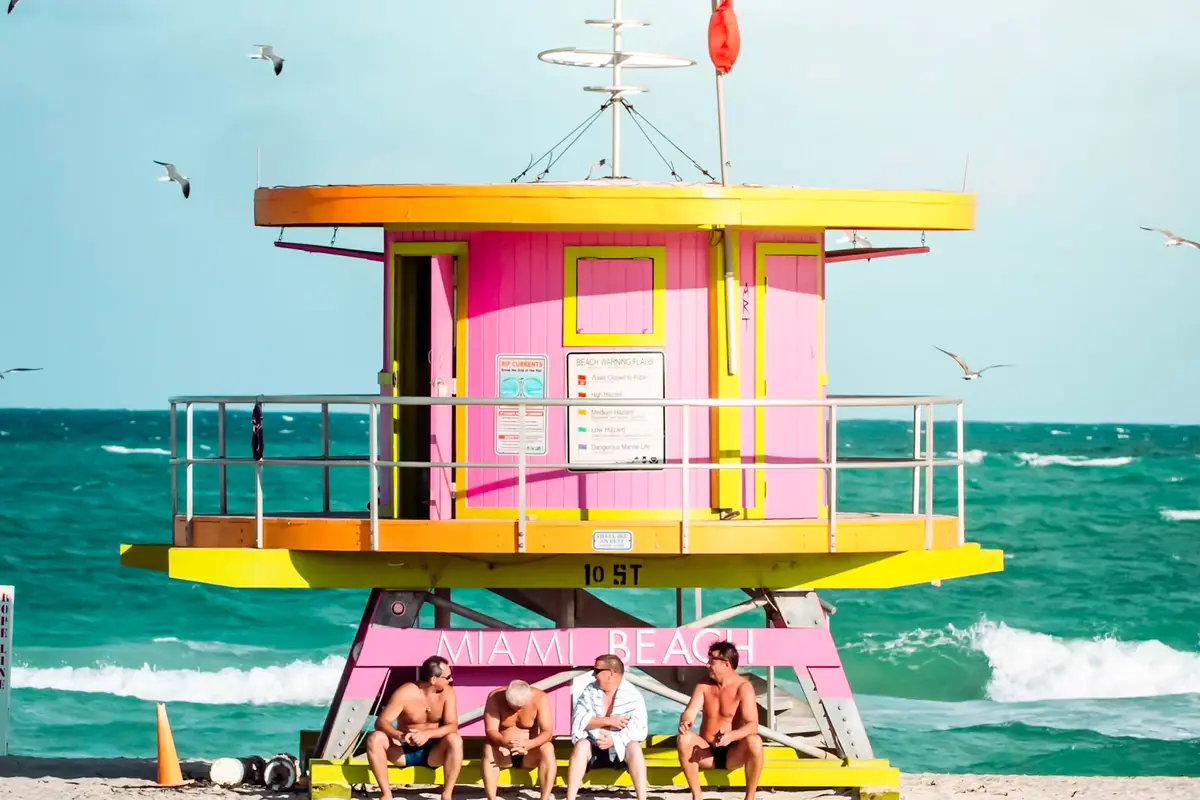
No two adjacent towers are alike. That was deliberate, and it is what turned a piece of municipal safety equipment into the island's most reproduced image. They appear on more postcards, phone cases and rental-car adverts than any building on Ocean Drive.

They are also, and primarily, working stations. Miami Beach Ocean Rescue staffs them through daylight hours, and the coloured flags flying from them are the day's verdict on the water. That combination — genuinely useful public infrastructure that also happens to be good design, commissioned by a city government after a disaster — is the most Miami Beach thing on this list.
Getting there and parking

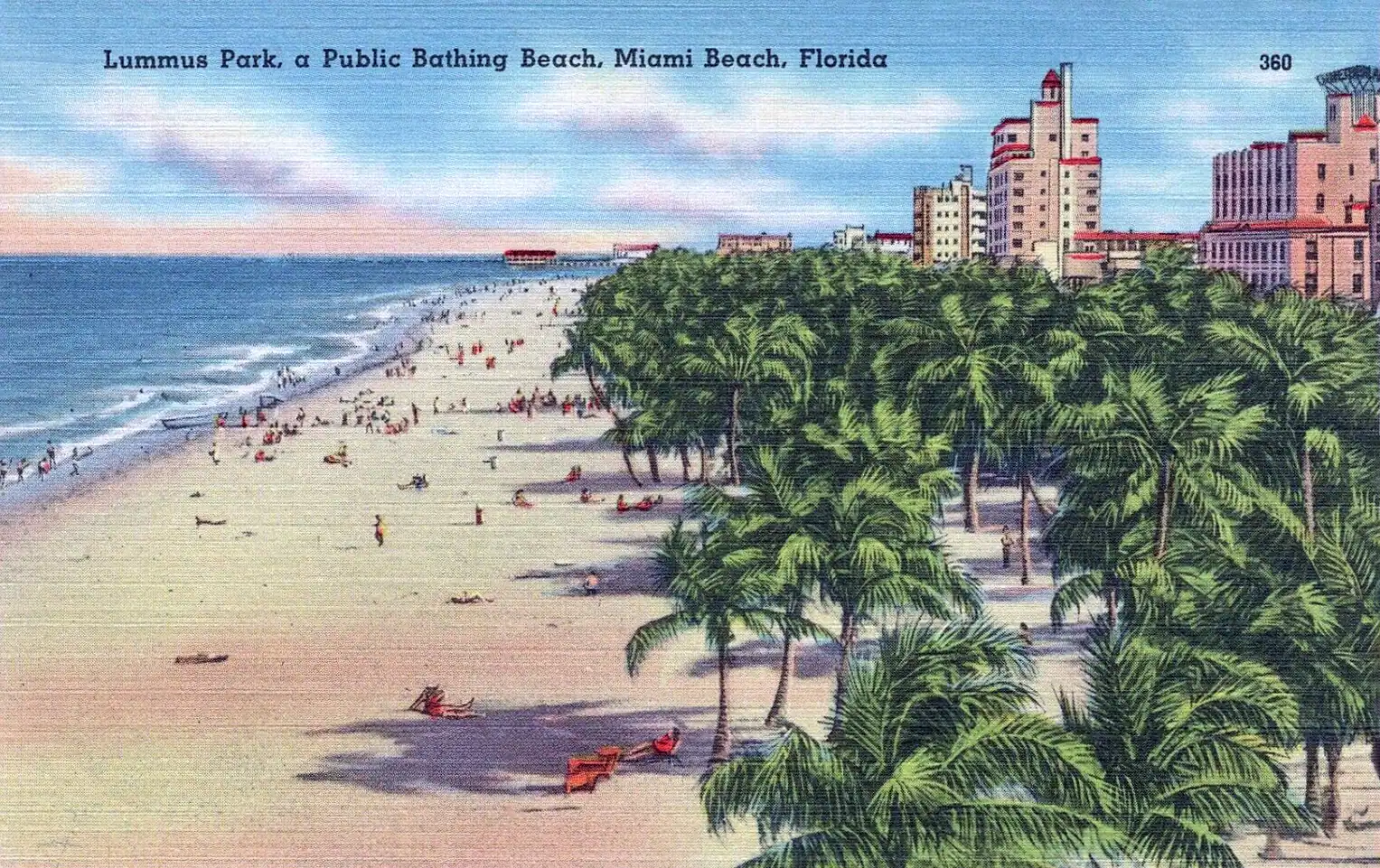
The towers stand on the sand, roughly every two blocks, reached through the numbered-street beach accesses off Ocean Drive and Lummus Park in South Beach and off Collins Avenue further north.

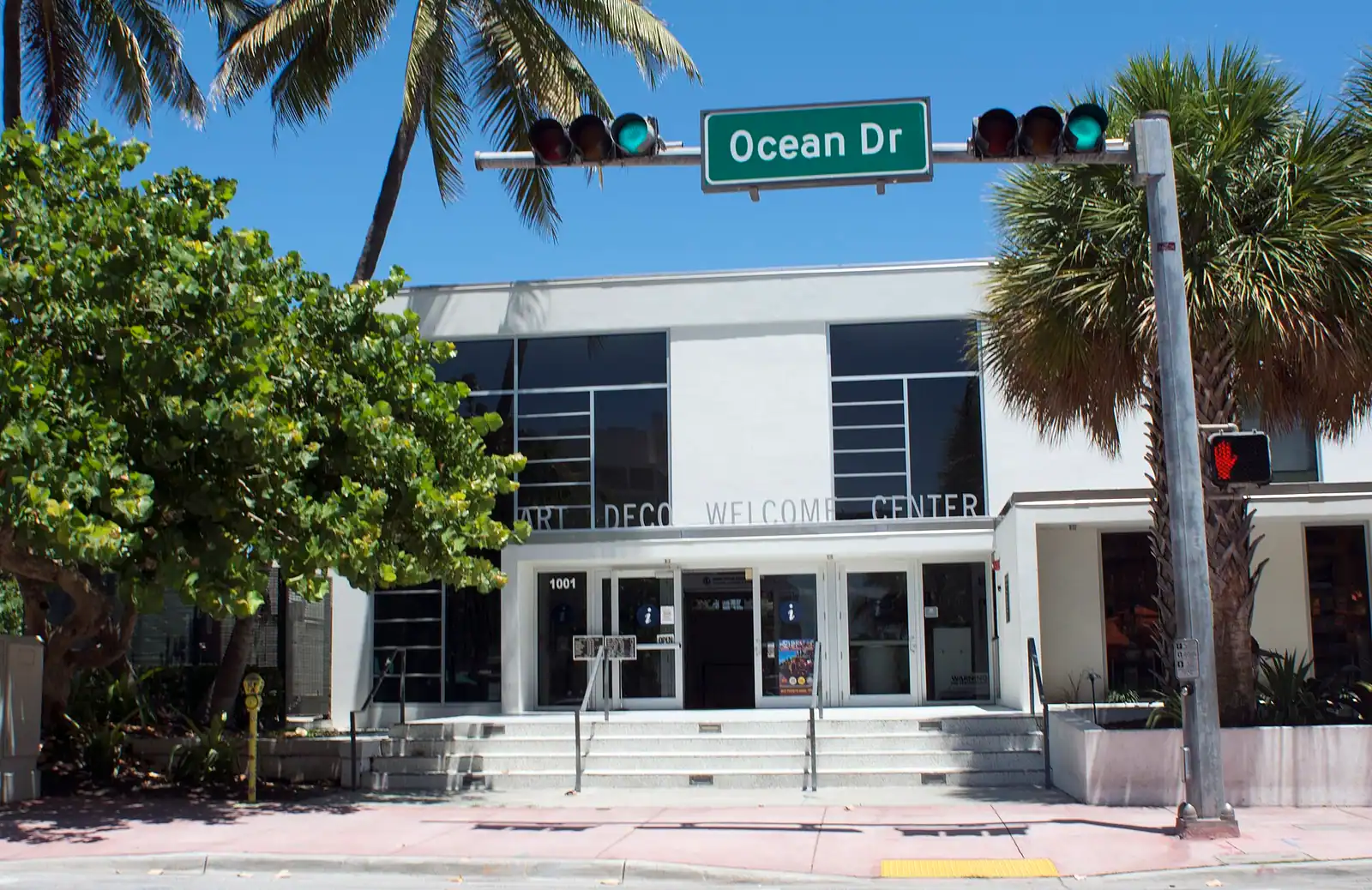
The 10th Street tower is the easiest to find: walk east across Lummus Park from the Art Deco Welcome Center at 10th and Ocean, and it is directly ahead on the sand.

Beach access is free and public at every numbered street. There are no private beaches in Florida below the high-water line, and Miami Beach's dry sand at these accesses is public too.

Walking north. The Miami Beach Boardwalk and beachwalk run behind the dune line and link the accesses, so you can walk the towers as a sequence. From 5th Street to 21st is about a mile and a half on the flat.

Parking. The municipal garages on 7th, 12th, 13th and 17th Streets are the practical choices; Ocean Drive parking is not. The free Miami Beach Trolley runs on Washington Avenue two blocks west.

Facilities. Restrooms and showers exist at several of the beach accesses through Lummus Park rather than at the towers themselves.

Which tower to walk to

They are strung roughly every two blocks, so the choice is about crowds and framing rather than distance.

  • 10th Street. The famous one: pink and yellow, directly opposite the Art Deco Welcome Center, and the single most photographed tower on the island. It is also surrounded by more people than any other, most of them photographing it. Come at seven in the morning or accept the company.
  • 14th Street. Turquoise, with a rounded kidney-shaped roof, and a strong candidate for the best-looking of the lot. Slightly fewer people than 10th.
  • 8th Street. Designed within Ocean Rescue rather than by Lane, and reportedly the one the guards themselves rate for working in. Worth noticing that the practical one looks different.
  • South Pointe and the jetty. The southern end, where cruise ships pass in the channel behind the towers in the late afternoon. Best composition on the island if you time the departures.
  • 21st Street and north. Where you go if you want a tower with nobody in the frame. Above 21st the beach empties fast, and the towers keep going all the way to the mid-80s streets.

Colours are repainted over the years, so treat any colour description here as a guide rather than a guarantee.

Light, angle, and the mistake everyone makes

Shoot from the water side, not the promenade side. The towers face the ocean, which means their painted fronts face east. Standing on the beachwalk and looking out gives you the back of a tower against a bright sky. Walk past it towards the waterline, turn around, and photograph back at it with the morning sun behind you. The front lights up and the beach and buildings fall away behind.

Sunrise is the event. The sun comes up out of the Atlantic here, roughly 6:30am in June and around 7am in December, and for twenty minutes the towers are lit sideways in orange with long shadows across clean sand that the overnight rake has just smoothed. There is no crowd. This is the best hour in South Beach and it costs nothing.

Avoid eleven to three. Overhead sun flattens the paint, kills the shadows and blows out the sky.

Late afternoon works at the southern end, because the towers there have Government Cut behind them and the cruise ships leave in sequence in the late afternoon, mostly at weekends in winter season.

Do not climb them. They are working stations, the guard needs the deck and the sightline, and the ramps and railings are not a photo prop. Shoot from the sand.

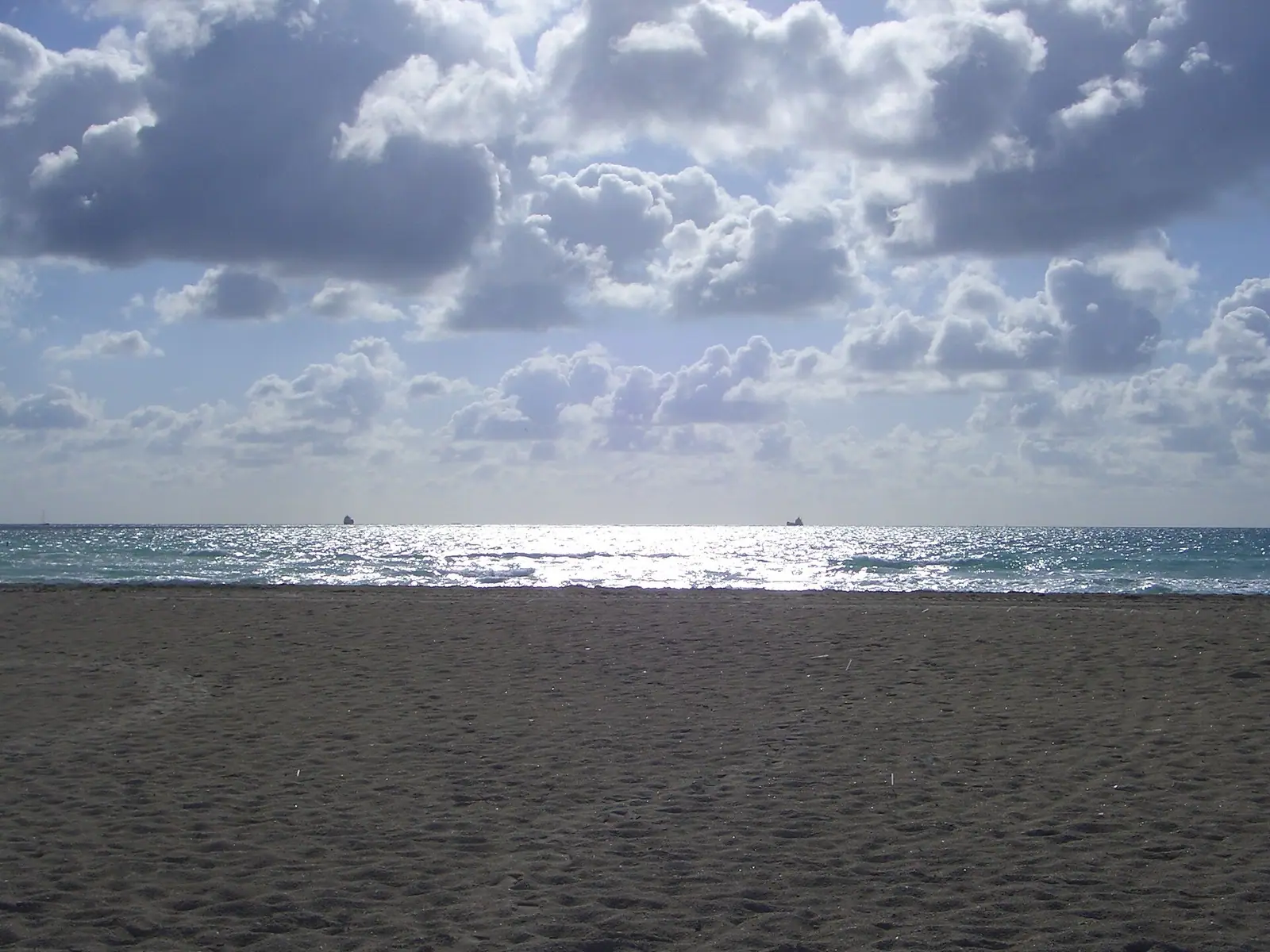
In summer, check the sand before you commit. Sargassum seaweed washes up in quantity from roughly late spring through summer, and a brown weed line changes what the picture looks like considerably.

The flags, and what they are actually telling you

The flag flying at the tower is the current verdict on the water, updated through the day. This is the part of the page that matters most.

  • Green. Calm conditions, low hazard. Still swim near a staffed tower.
  • Yellow. Moderate surf or current. Most beach days in Miami Beach are yellow.
  • Red. High hazard, strong surf or current. Single red means take it seriously; double red means the water is closed.
  • Purple. Dangerous marine life. This is the one visitors misread. Purple does not mean rough water. It means jellyfish, Portuguese man o' war or similar. Man o' war blow ashore on winter onshore winds and sting on the sand as well as in the water.

Swim in front of a staffed tower. Miami Beach Ocean Rescue staffs the towers through daylight hours — broadly from around nine in the morning until dusk, varying by season and tower — and the signs at each beach access post the current hours. Outside those hours nobody is watching.

Rip currents form here in onshore winds even when the surf looks unremarkable. If you are caught in one, do not swim against it; swim parallel to the beach until you are out of it, then come in.

Ask the guard. They will tell you where the current is running today, which is information no app has.

Why they look like the buildings

William Lane's brief after Hurricane Andrew was to replace destroyed equipment. What he produced was an argument about where the towers were.

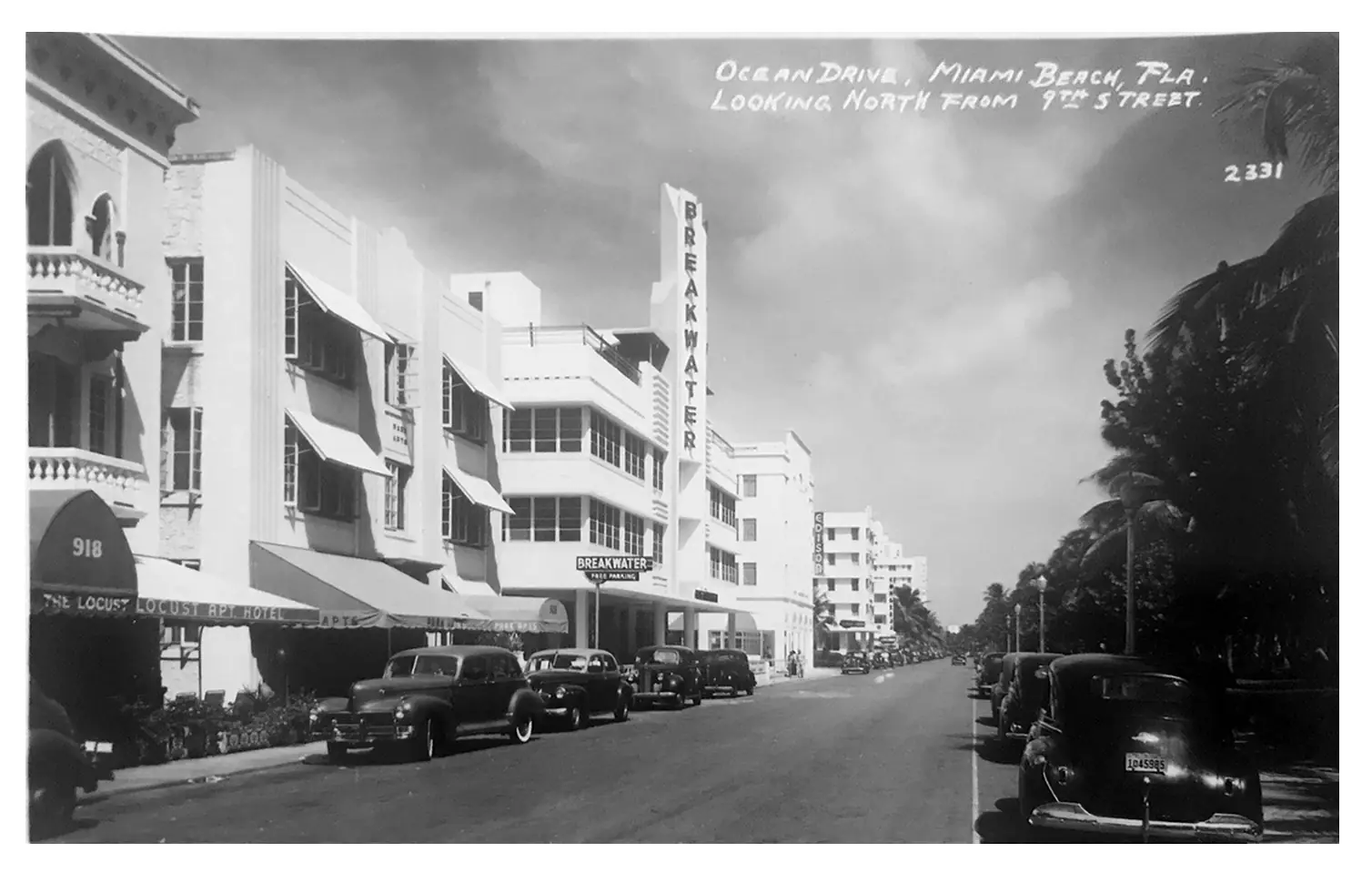
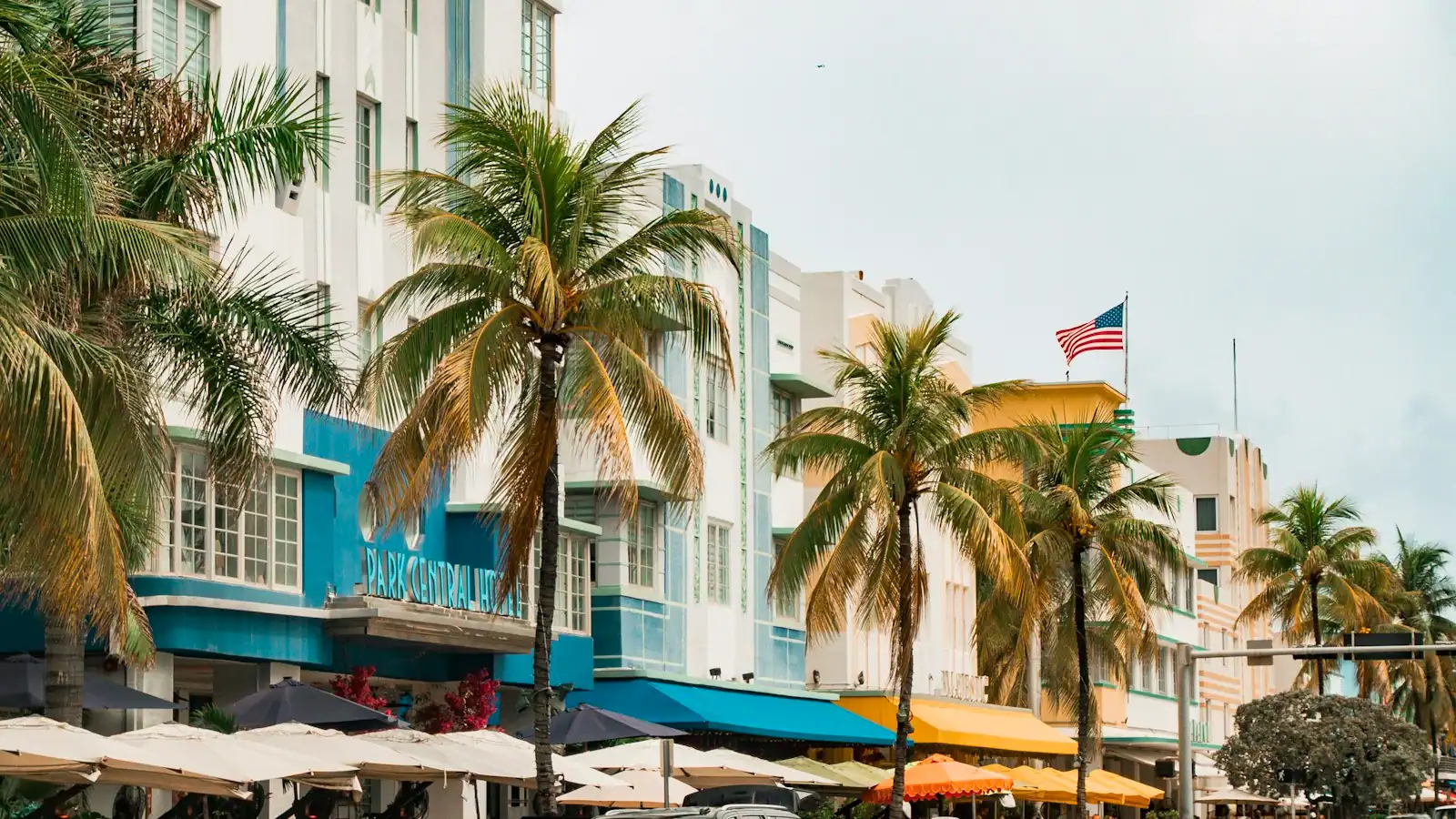
The references are all local. Eyebrows — the flat concrete ledges over Ocean Drive's windows — appear as roof overhangs. Stepped parapets from the deco fronts become stepped roof profiles. Portholes and racing stripes, the Streamline Moderne liner vocabulary, appear as windows and painted bands. Finials and angled fins pull from mid-century Miami Modern, the style of the 1950s hotels further north on Collins. The colours, magenta and turquoise and coral and lemon, come from Caribbean paint and from the pastel palette applied to the district during its 1980s restoration, not from anything original to the 1930s.

The second generation, designed roughly twenty years on, kept the approach and adapted the construction for durability and for accessibility standards.

The result is the rare piece of civic infrastructure that reads as architecture at forty paces and still works as a tower with a guard in it. It has also done more for Miami Beach's image than any marketing campaign, which is worth remembering when you see one printed on a bag: that is a municipal lifeguard station, paid for out of a hurricane recovery budget, doing its actual job.

Tours that visit Lifeguard Stands

Operators run these trips past Lifeguard Stands, or stop there as part of a longer route. We list what the booking data supports — not everything that mentions the name.

These earn us a commission through Viator. Same price for you, and the commission had no hand in the order.

Private and small-group departurespriced per boat or per vehicle, not per person

Near Lifeguard Stands

Straight-line distances, so allow more on the road — the island is long and has one main parkway.

  • Early morning sun rising out of the Atlantic over an empty stretch of sand

    Beach

    South Beach

    Free

    Free, public, and about three times wider than it was fifty years ago, because most of it was pumped there on purpose.

    1.5–6 hoursFree. The entire beach is public. Loungers, umbrellas and the concession rows are not.0.3 mi away

  • Curving paved walkways running through low coastal planting in a landscaped seafront park

    Park

    Lummus Park

    Free

    Ten blocks of palm, path and free outdoor gym, and the decision that kept anyone from building between Ocean Drive and the Atlantic.

    0.5–3 hoursFree. The park, the outdoor gym, the volleyball courts, the restrooms and the beach access cost nothing.530 ft away

  • The peach and mint facade of a three-storey Art Deco hotel seen from below with a palm frond crossing the frame

    Neighbourhood

    Ocean Drive

    Free

    Ten blocks of deco facade on one side and open park on the other, and almost everything depends on which side you choose.

    1–2.5 hoursFree to walk. The sidewalk cafes, hotel bars and beach loungers are not.710 ft away

  • A visitor standing in a small gallery looking at framed works hung on a white wall

    Museum

    Art Deco Welcome Center

    The preservation league's own building, and the ten minutes that make the next two hours of walking make sense.

    0.5–2.5 hoursThe Welcome Center, shop and information desk are free to enter. The Art Deco Museum, guided walking tours and the self-guided audio tour are ticketed, with museum admission included in the guided tour.710 ft away

Lifeguard Stands: common questions

Are the Miami Beach lifeguard towers numbered?

Not in a sequence. Each tower is known by the cross street it stands at — the 10th Street tower, the 14th Street tower, the 21st Street tower — which is how Ocean Rescue dispatches to them and how locals arrange to meet. In South Beach the stations run from the jetty and South Pointe up through 1st, 3rd, 5th, 6th, 8th, 10th, 12th, 13th, 14th, 15th, Lincoln Road, 17th, 18th and 21st, and the line continues north into Mid-Beach.

Who designed the Miami Beach lifeguard towers?

The architect William Lane. The City of Miami Beach commissioned replacements after Hurricane Andrew destroyed several stands in 1992, and Lane's designs borrowed directly from the buildings across the sand: deco eyebrows and stepped parapets, Streamline Moderne portholes and racing stripes, mid-century fins, and Caribbean colour. Roughly twenty years later the city brought him back for a second generation of prototypes to replace the ageing fleet.

What does a purple flag mean on Miami Beach?

Dangerous marine life, meaning jellyfish or Portuguese man o' war, rather than rough water. It is the flag visitors misread most often. Portuguese man o' war blow ashore on winter onshore winds and can sting on the dry sand as well as in the water. The rest of the system runs green for calm, yellow for moderate surf or current, single red for high hazard and double red for water closed.

Which lifeguard tower is the most photographed?

The 10th Street tower, in pink and yellow, directly opposite the Art Deco Welcome Center. It is also the most crowded, because everyone else has read the same thing. The 14th Street tower, turquoise with a rounded roof, is arguably better looking with slightly fewer people. Above 21st Street the beach empties quickly and you can photograph a tower with nobody in the frame at all.

When is the best time to photograph the lifeguard towers?

The twenty minutes after sunrise, and it is not close. The sun comes up out of the Atlantic, the towers face east so their painted fronts light up, the sand has just been raked, and almost nobody is out. Shoot from near the waterline looking back at the tower with the sun behind you rather than from the beachwalk looking out. Between eleven and three, overhead sun flattens everything.