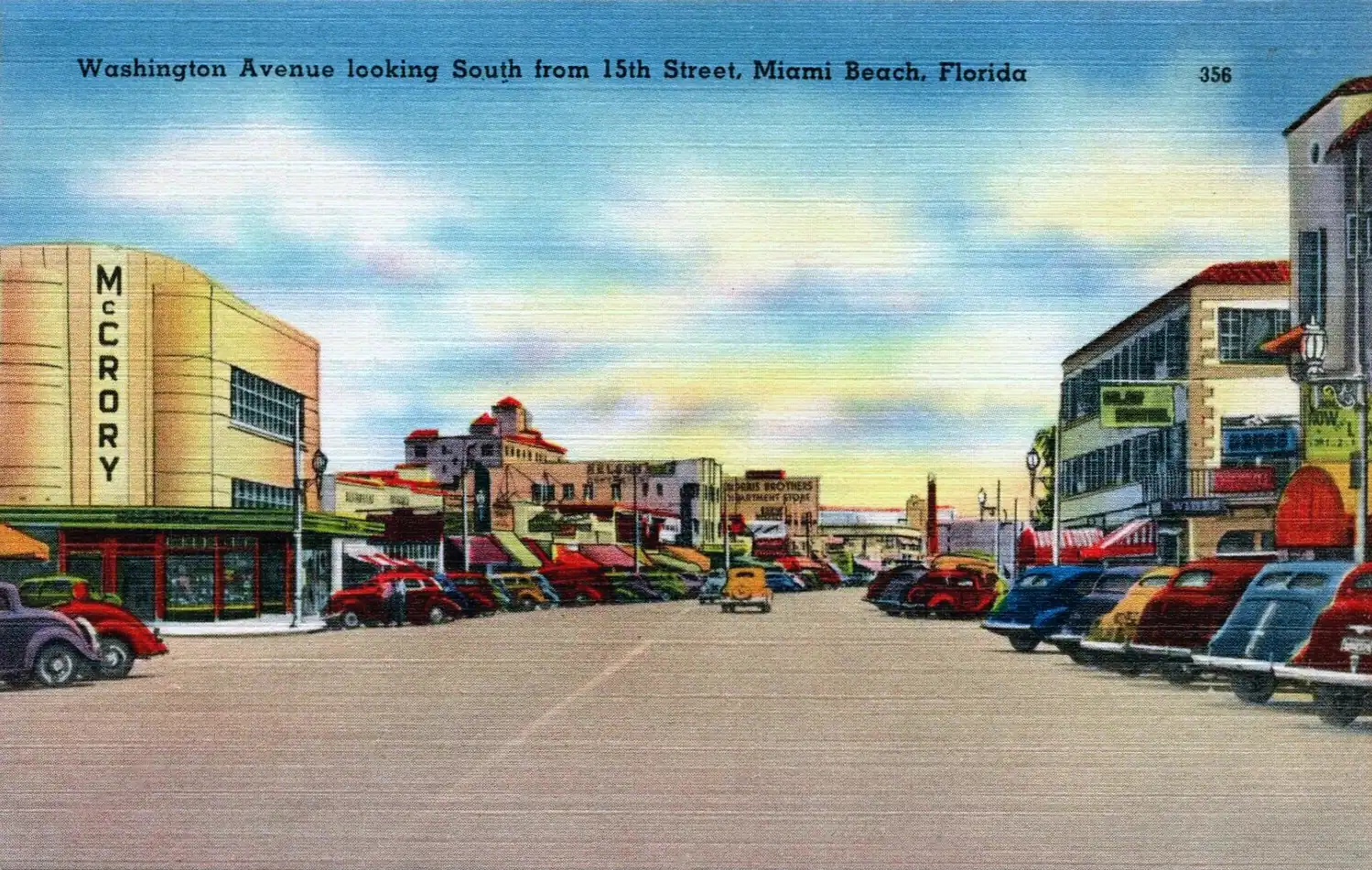
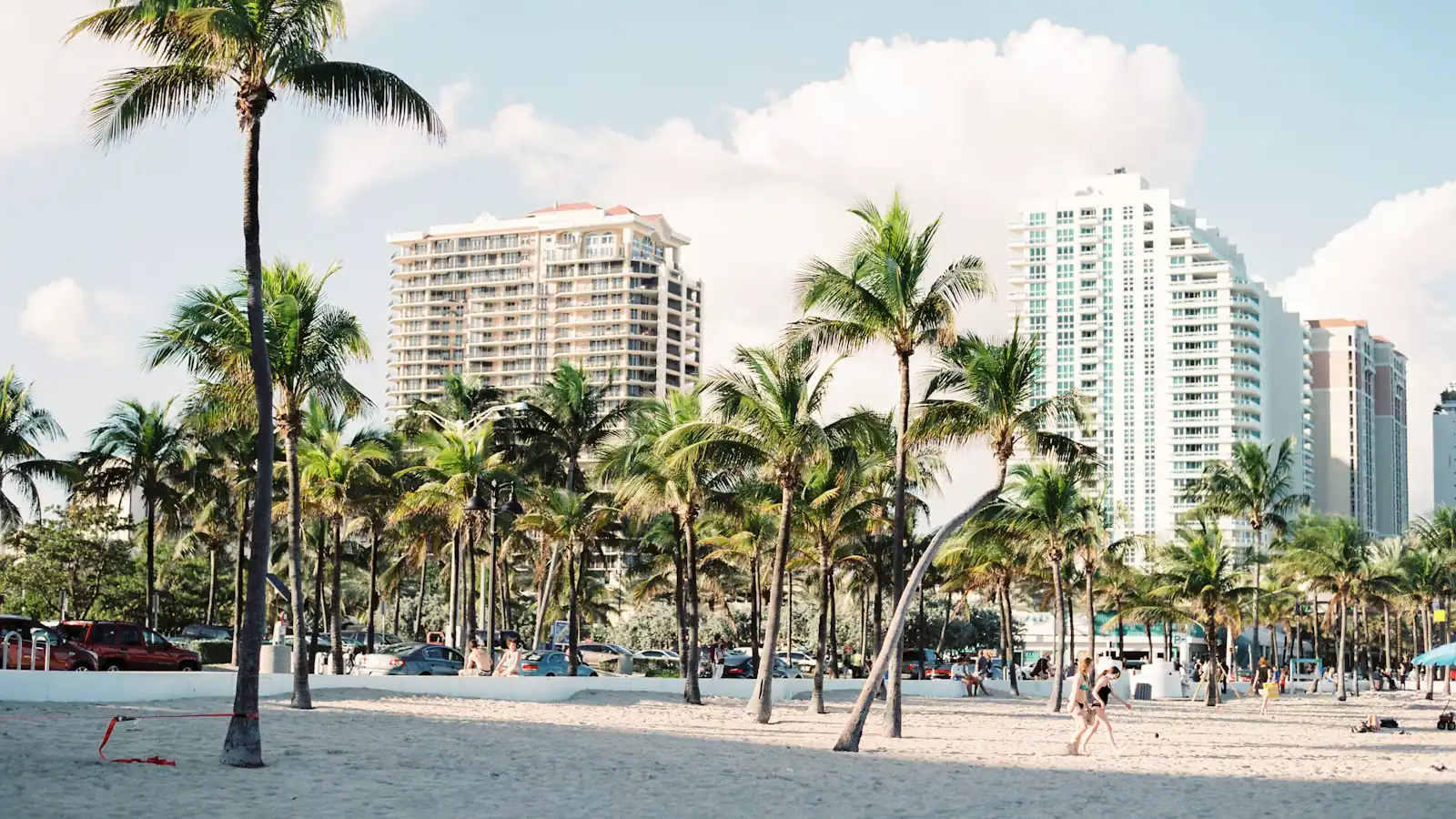
Washington Avenue is the third of South Beach's parallel spines and the only one that is not for visitors. Ocean Drive is the promenade. Collins is the hotels. Washington is where the pharmacy is, where the buses run, where the municipal garages are, where people who live here buy groceries, and where the clubs open at the hour the rest of the island is closing.
It is also, awkwardly for a street with that reputation, where the best architecture in South Beach that is not a hotel happens to be.
The Wolfsonian–FIU at 1001 Washington is in a 1927 building put up as the Washington Storage Company — a warehouse where wealthy seasonal residents left their furniture over the summer — and it holds a collection of well over 200,000 objects covering the design, propaganda and material culture of the modern age, roughly 1850 to 1950. It is the museum that explains the district you are standing in, and it is consistently the least crowded good thing in South Beach.
The post office at 1300 Washington was completed in 1937 to a design by Howard Lovewell Cheney, and you can walk into it during business hours for nothing. Behind the curved façade is a circular lobby under a domed skylight, with a three-panel mural by Charles Hardman added in 1940. It is a functioning post office with a queue in it. It is also one of the best interiors on the island.
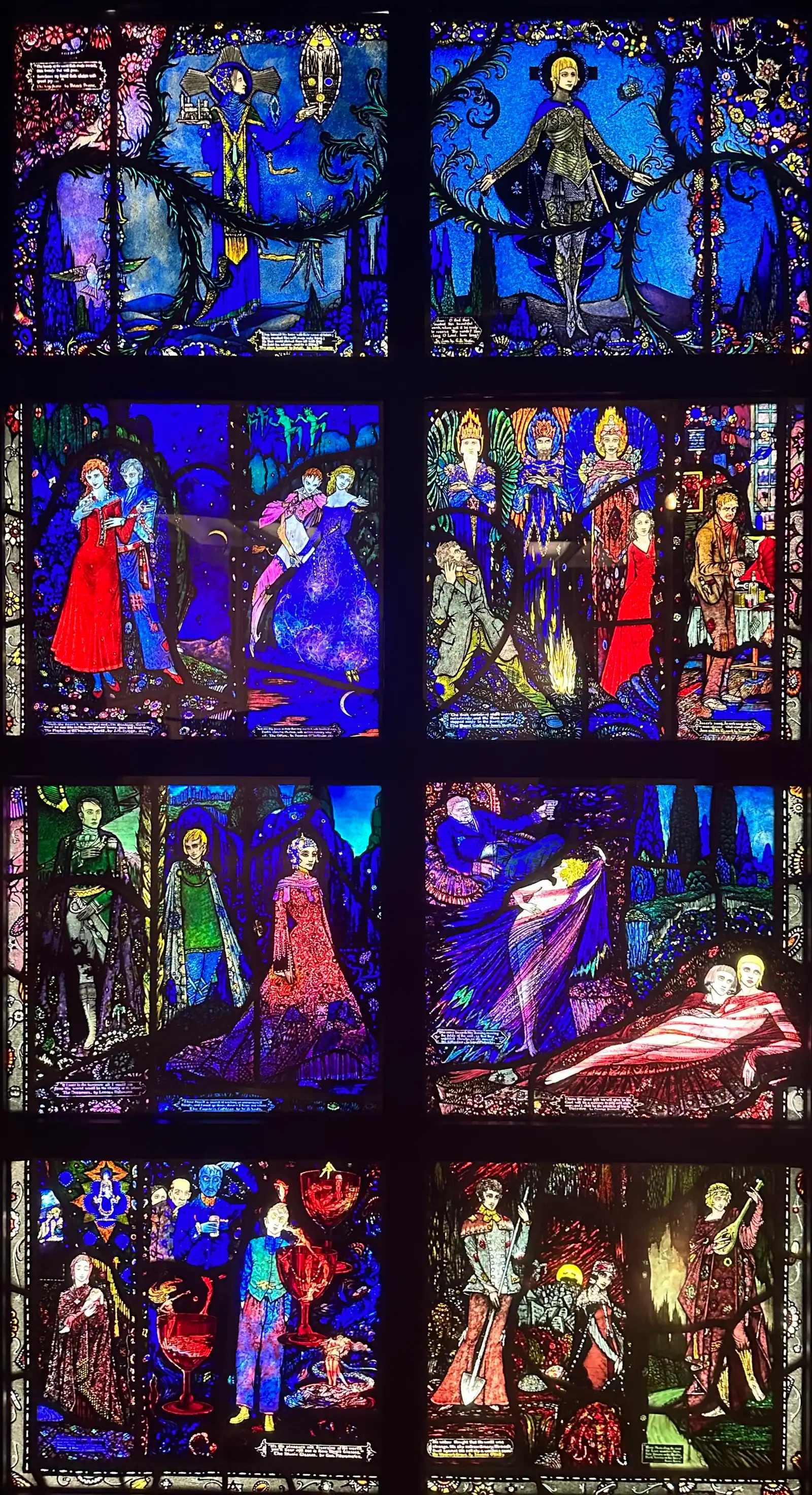
The Jewish Museum of Florida–FIU at 301 Washington, at the southern end, occupies two former synagogues; the 1936 building has a copper dome, a marble bimah and eighty stained glass windows, and tells the history of Jewish life in Florida from the eighteenth century onward — including the period when Miami Beach hotels operated restrictive covenants a few blocks north of the building.
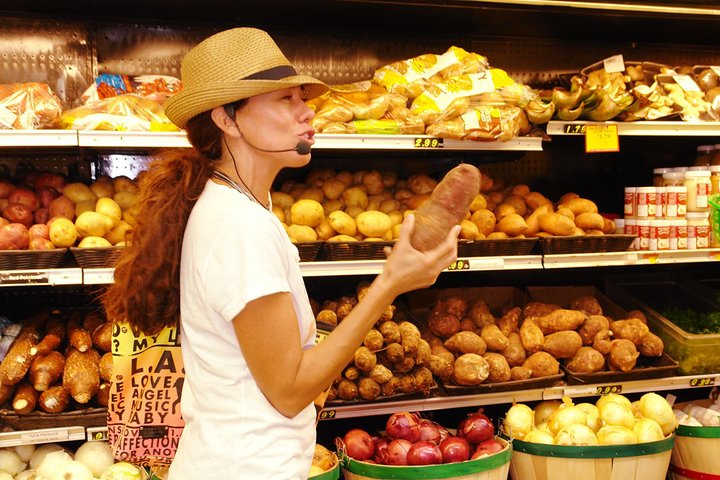
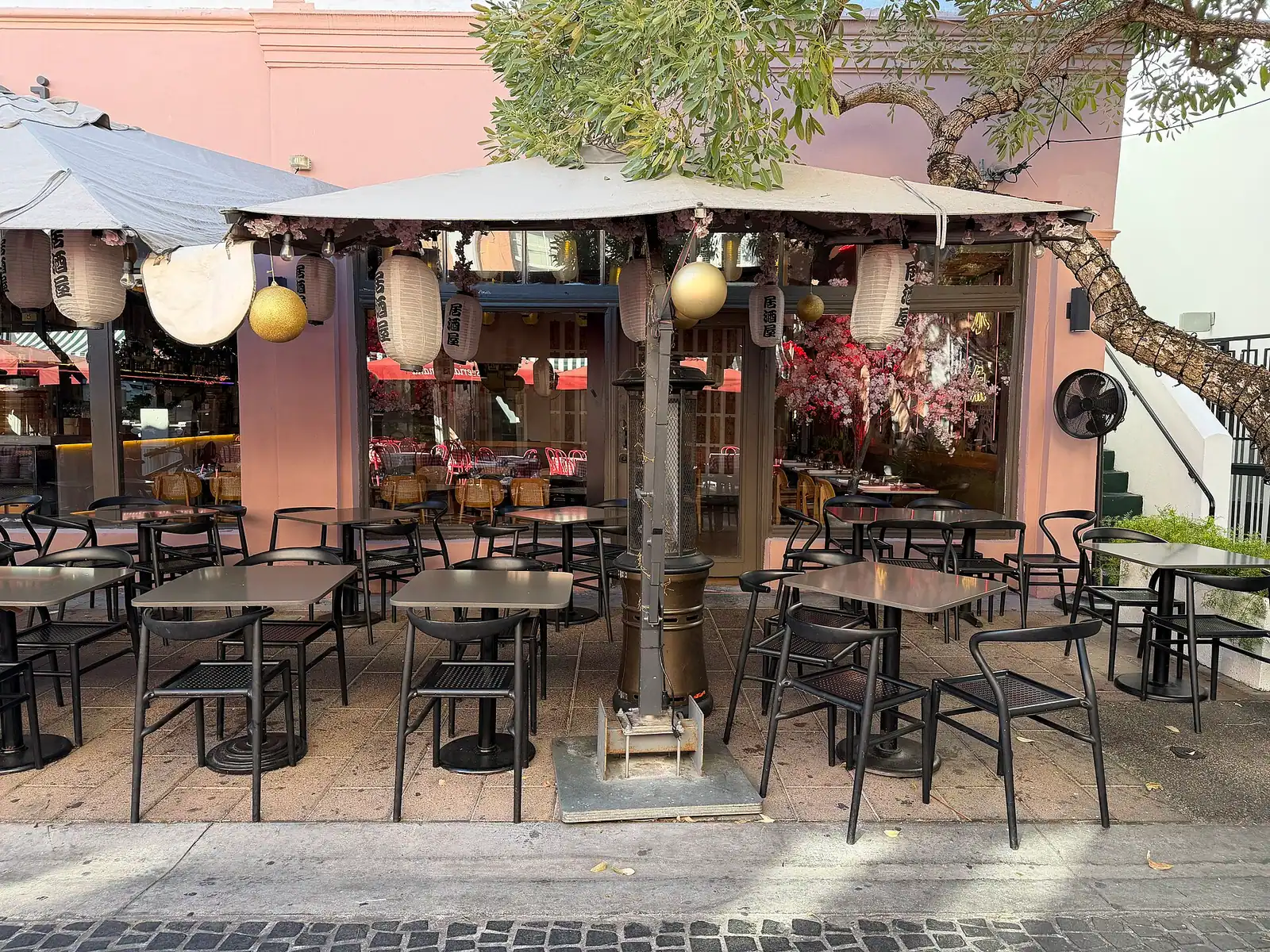
Practically, Washington is where a South Beach trip gets affordable. The supermarkets, delis, pharmacies and counter-service places along it are a fraction of Ocean Drive prices, three minutes' walk away. Use it.