South Beach is one of the few American destinations where a walking tour is not a compromise. The neighbourhood is about twenty-three blocks long and a handful of blocks wide, it is completely flat, the pavements are continuous, and the three streets that matter run parallel a hundred metres apart. Everything a guide wants to show you is inside a rectangle you could cross in fifteen minutes. That is why the tours here are genuinely on foot, unlike the mainland, where a Miami "tour" usually means a van and forty minutes of causeway.
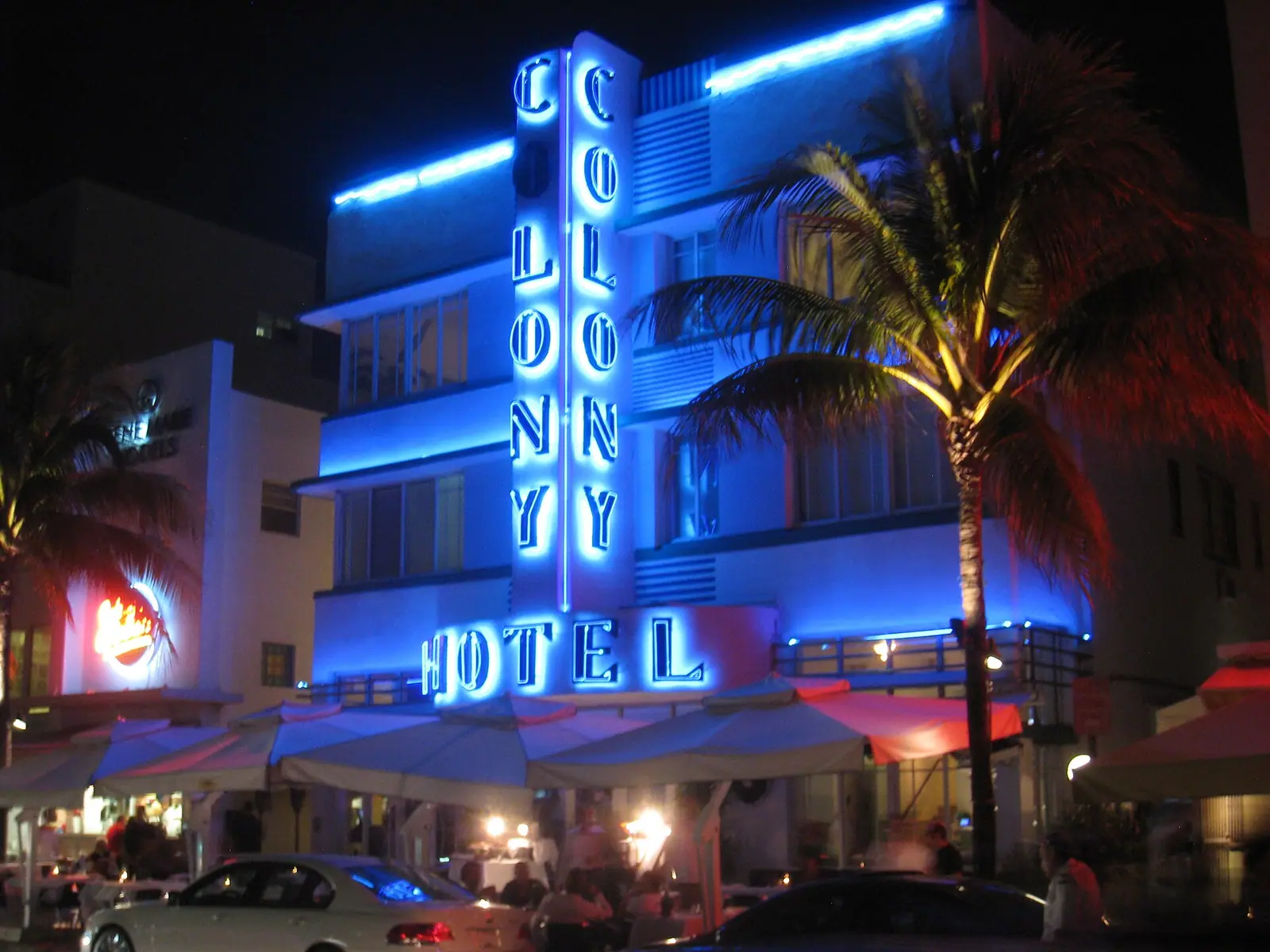
The market divides into six honest categories. The official architecture walk run by the Miami Design Preservation League, which is the one most people should take. Audio and app-based self-guided versions, which cost a fraction and work at whatever hour you like. Free self-guided walking, which costs nothing and is perfectly good if you have read something first. Food walks, which are less about South Beach's own restaurant scene than about getting you off Ocean Drive. Evening walks, timed for the neon. And the true-crime and celebrity routes, which are entertainment rather than history and are honest enough about it.
The thing that separates a good tour here from a bad one is not the content, which is broadly fixed — the same 1930s buildings, the same preservation fight, the same handful of landmarks. It is group size and heat management. Eight people can stand inside a hotel lobby, hear the guide over the traffic and ask a question. Thirty people stand on a pavement in the sun while a guide with a microphone points at a parapet. Between June and September, a tour that starts at half past ten is a considerably worse experience than one that starts at nine or at six.
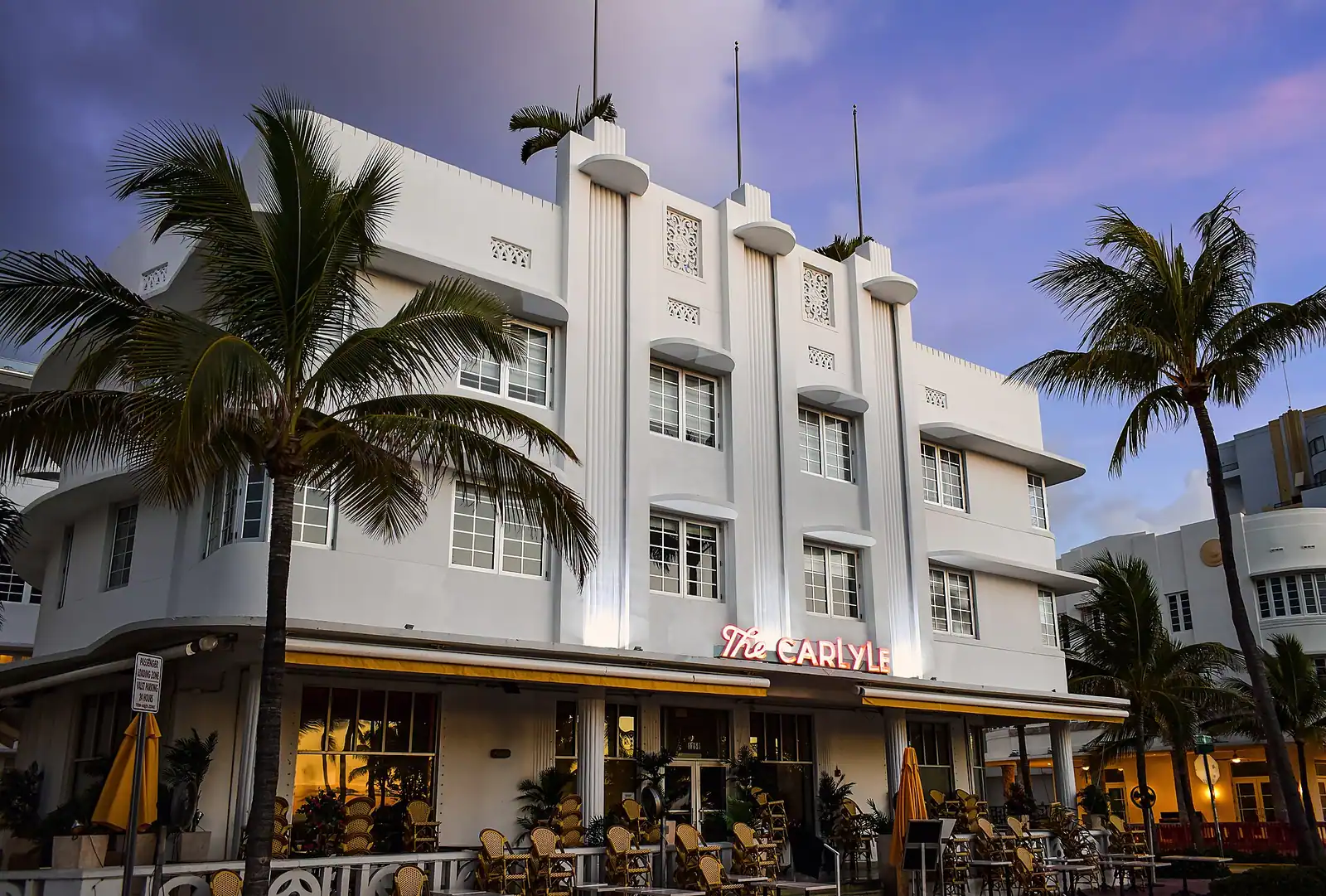
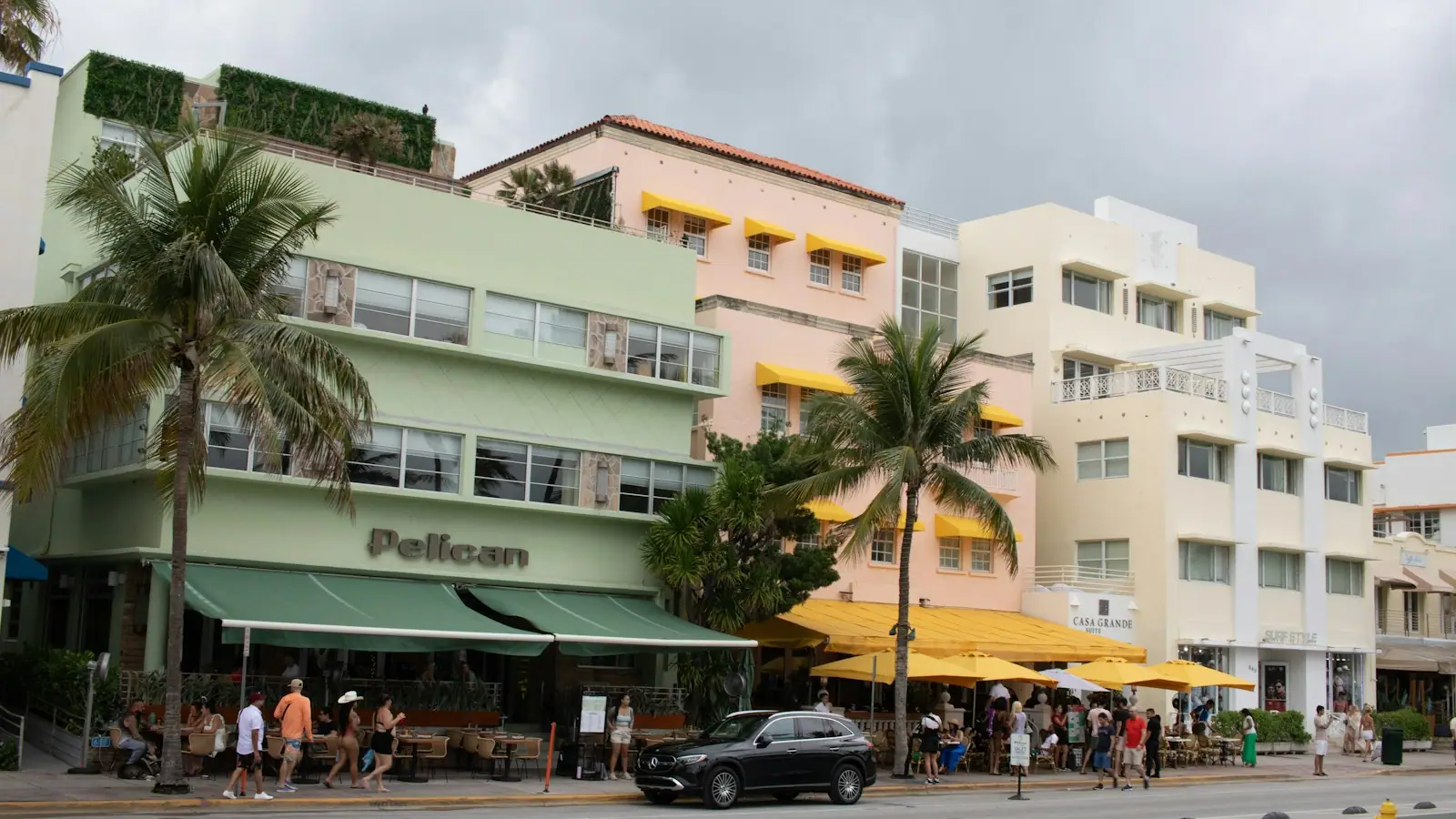
One more thing worth knowing before you book. The district is public streets, the buildings are working hotels and apartment blocks, and no tour has privileged access to interiors. What you are buying is interpretation: which of the three architectural styles you are looking at, why the eyebrows and the rule of three exist, who fought for these buildings in the 1970s, and which façades are restorations rather than survivals. That is worth paying for the first time. On the second visit, the audio version is usually enough.
Below: what the official tour actually covers, the options compared on price and duration, a free ten-stop route you can walk alone, and the practical business of water, shade and restrooms on an island with almost no natural shelter.