Skip to content
Menu

These earn us a commission through Viator. Same price for you, and the commission had no hand in the order.

Search
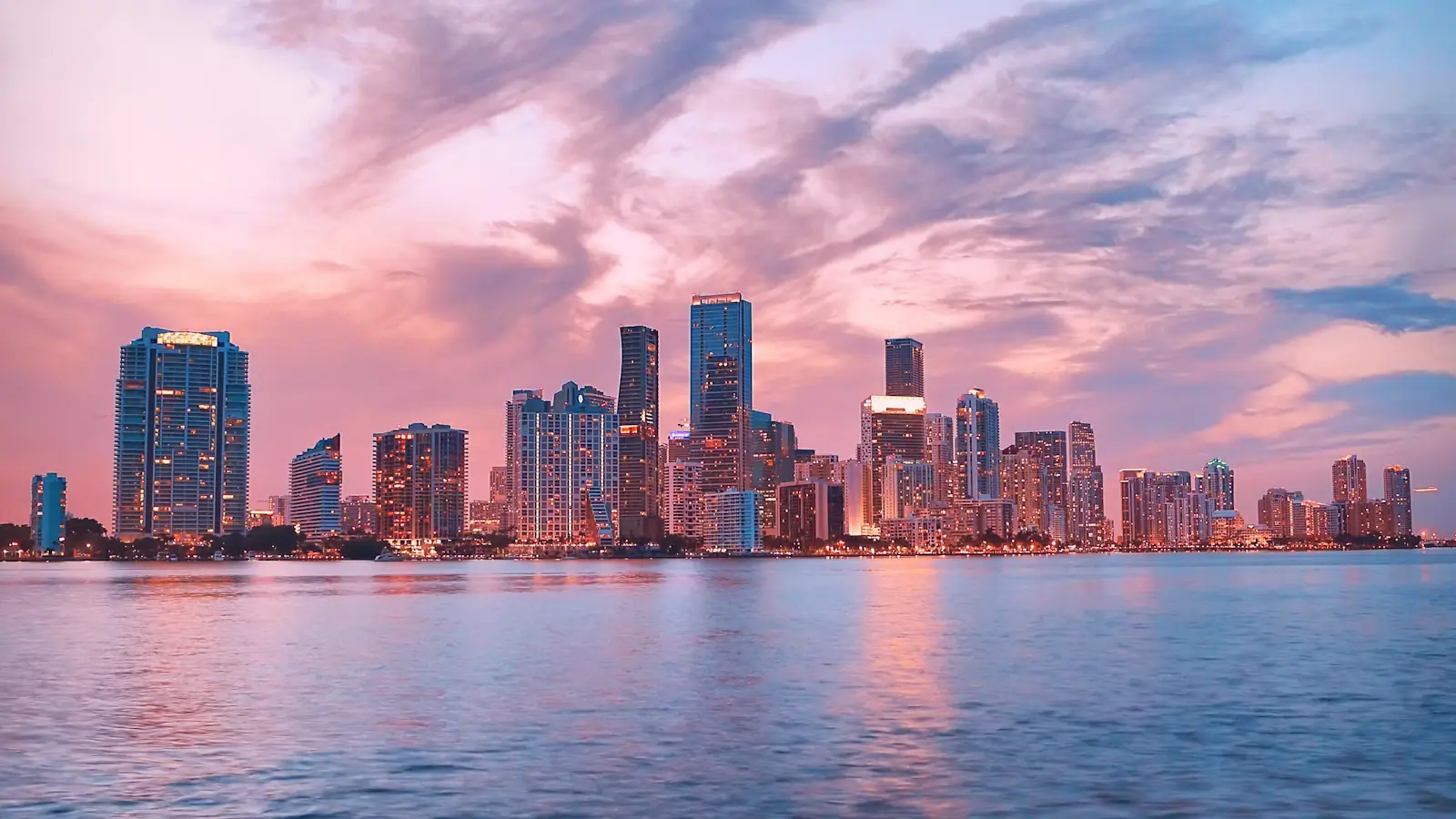
Two personal watercraft cutting across flat bay water with a city skyline of high-rise towers in the distance

Tours

Jet Skis, Parasails and Paddles

Last updated

Jet ski and watersports in South Beach: where the machines launch, Florida licence rules, deposit holds and damage claims, and the calm-water options.

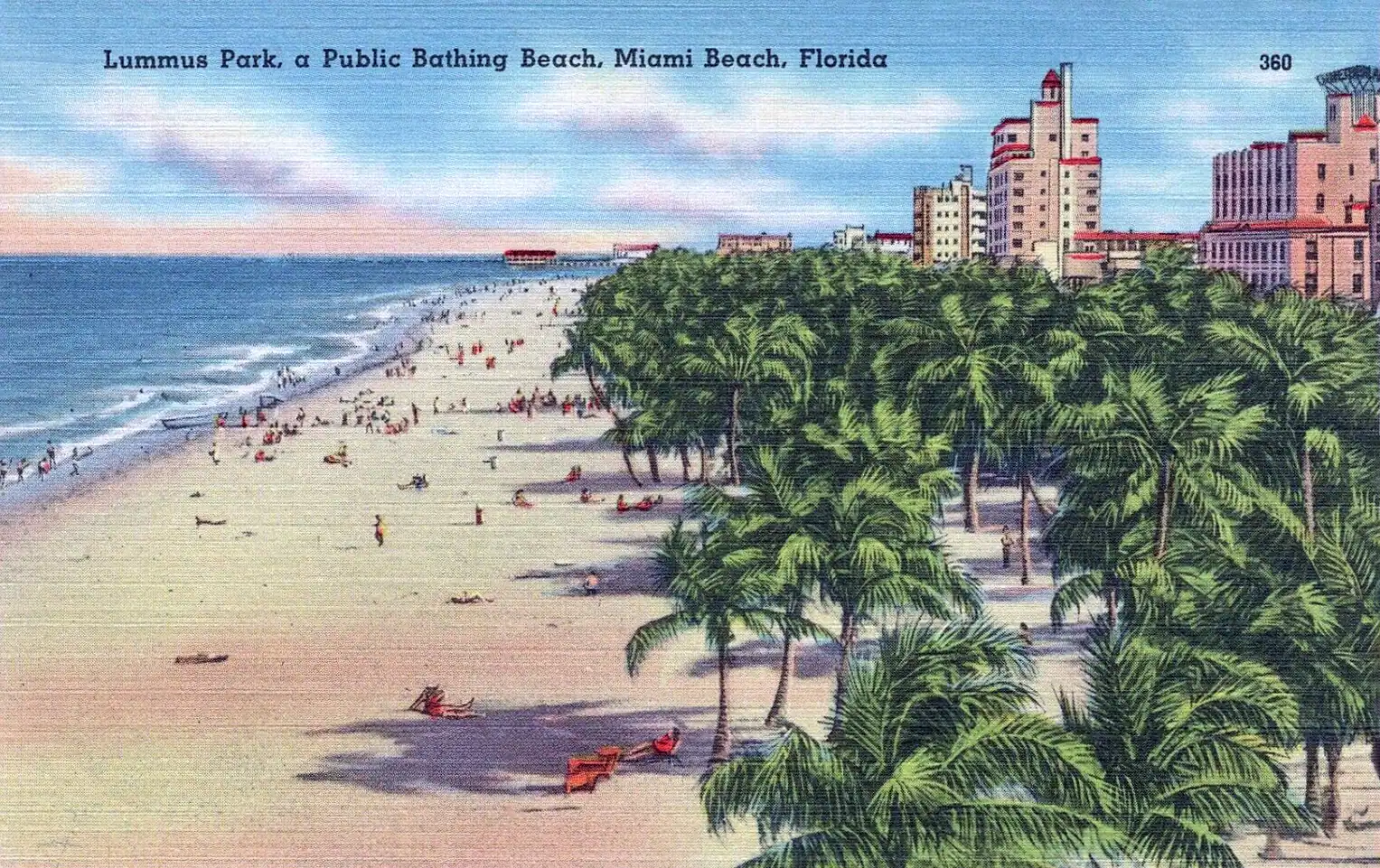
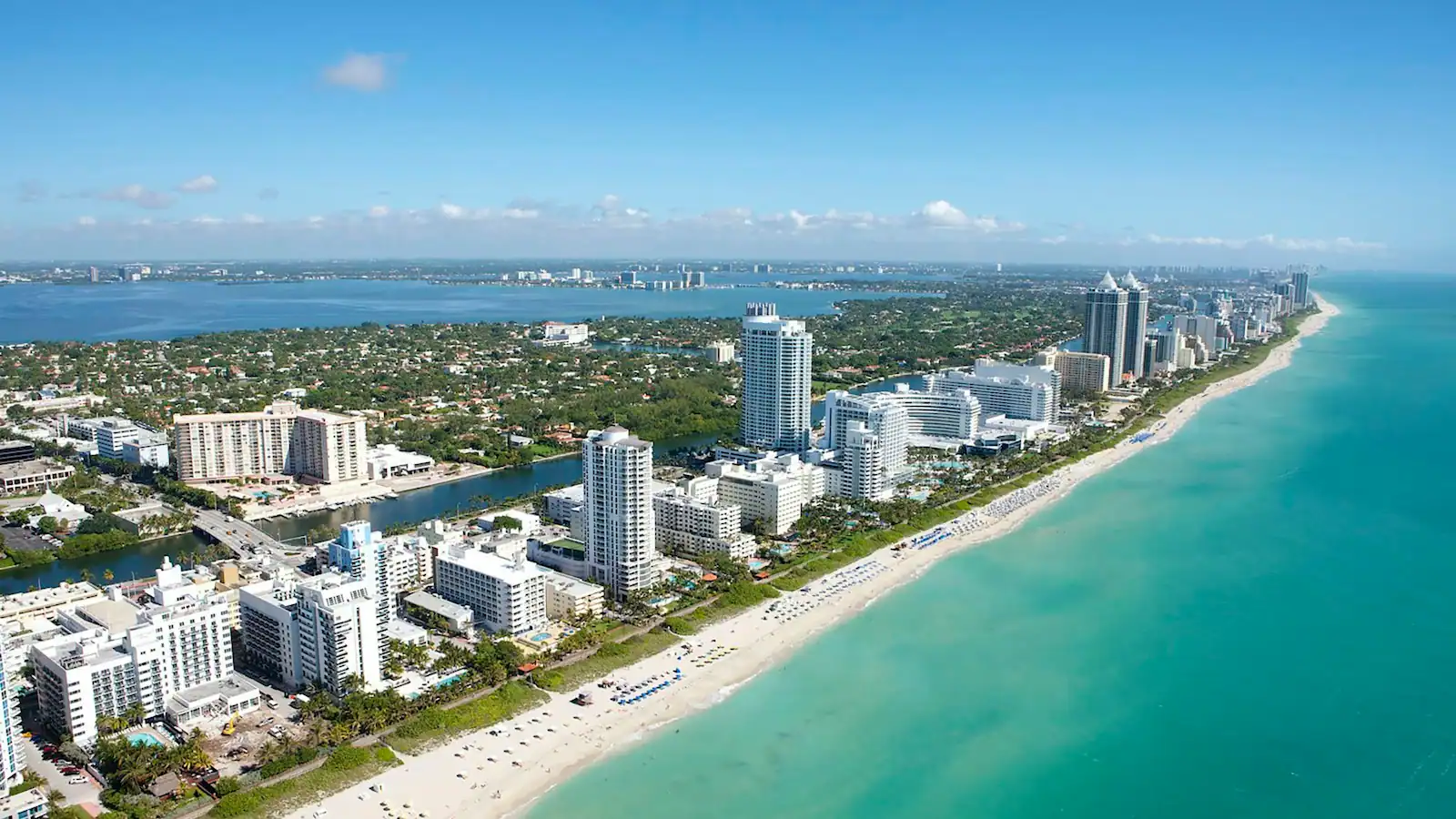
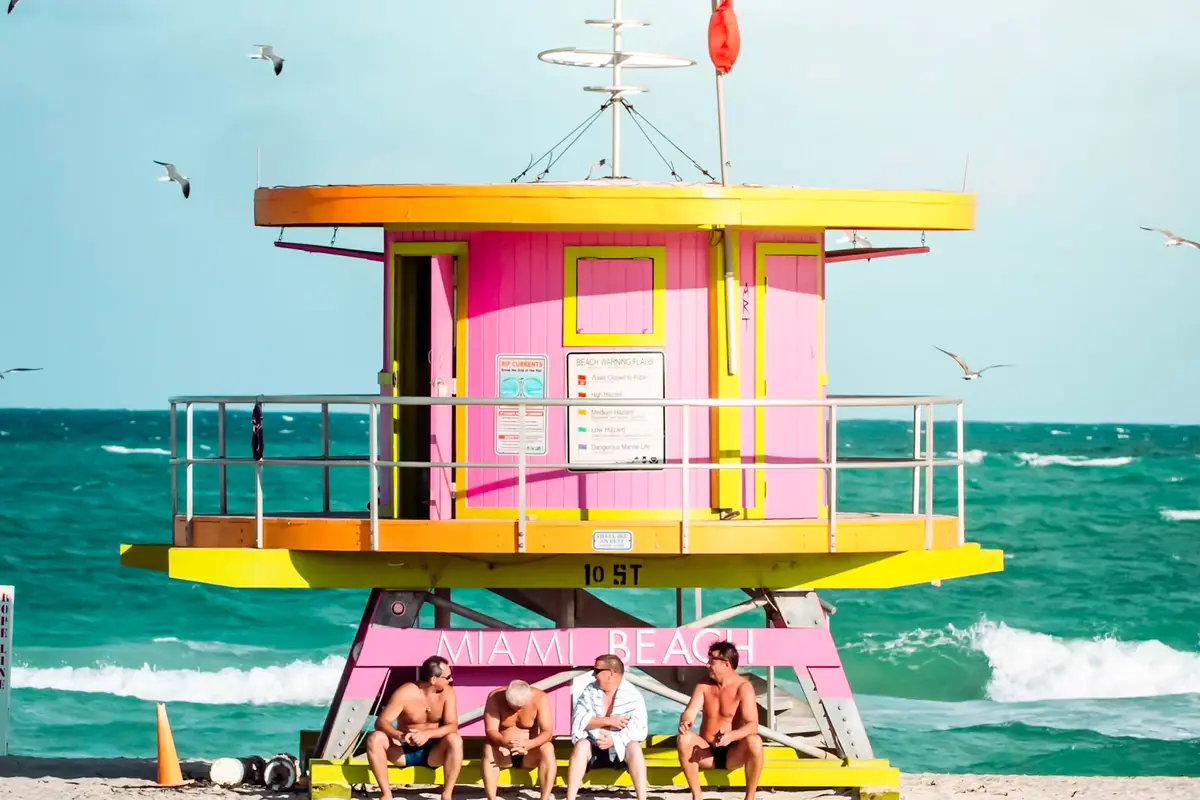
Start with which side of the island you are on. The Atlantic, in front of Ocean Drive and Lummus Park, is a lifeguarded swimming beach: the watersports you will see there are the concessions operating off individual hotel stretches, and they work inside a permitted footprint rather than roaring up and down the shoreline. The bay behind the island is where the engines live. Jet skis, parasail boats, charter fleets and paddle outfits all launch from the western side, and the walk from Ocean Drive to that water is about ten minutes across three streets.

That single fact reorganises the day. If somebody on the sand offers to put you on a jet ski, ask where the machine is and how you get to it, because the answer is usually a van ride to a bay dock. Booking directly at a bay-side operator, or through a listing with a named departure point, removes a step that has a habit of costing an hour.

The two clusters worth knowing are the marina at the bottom of the island on Alton Road, where most of the jet ski and parasail fleets sit alongside the charter boats, and the quieter basins around Sunset Harbour and Maurice Gibb Memorial Park at the northern end of the neighbourhood, which is where the kayak and paddleboard operators are because the water there is flat, shallow and protected.

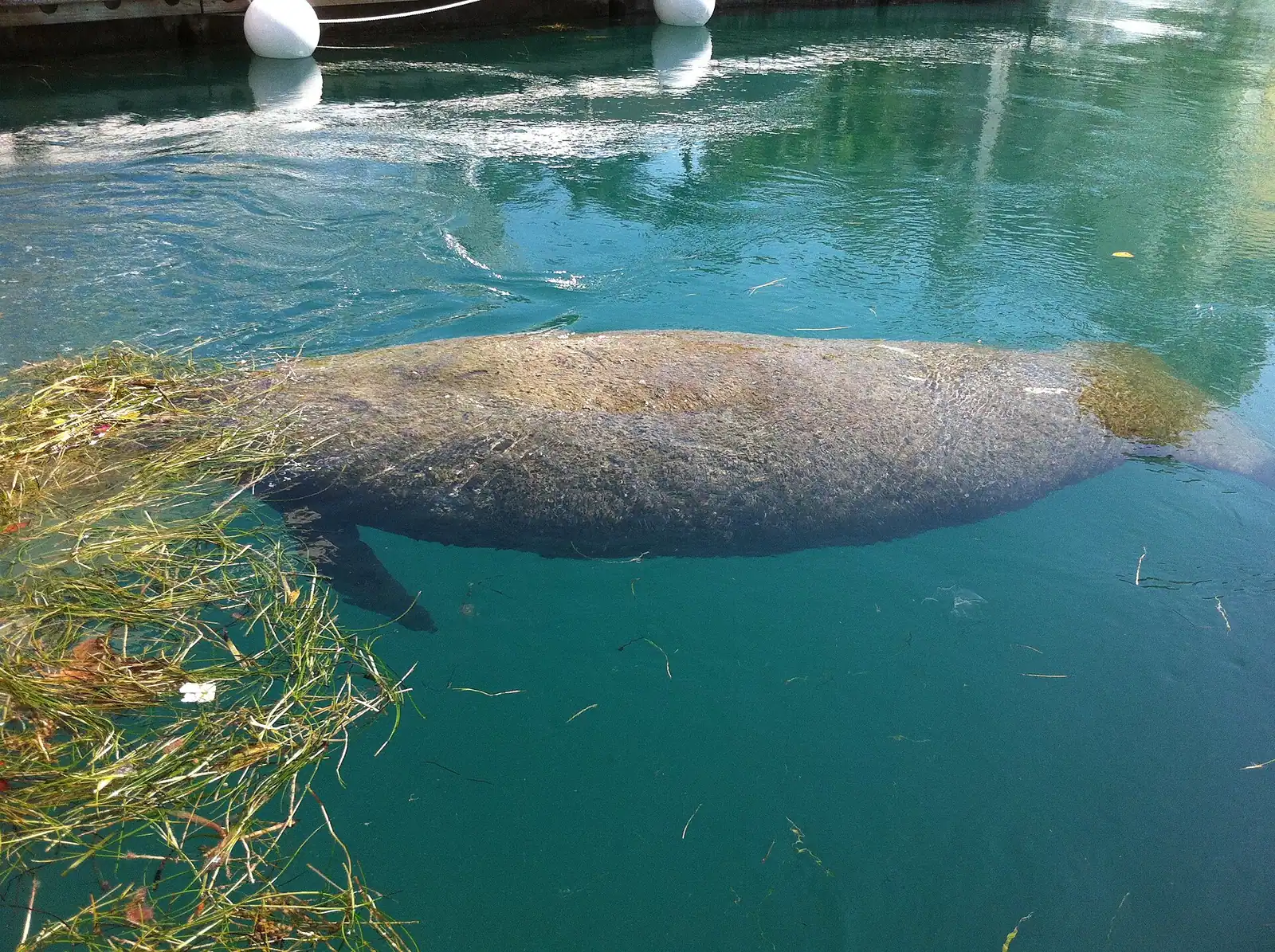
The water itself is not the open ocean. Biscayne Bay between here and the mainland is a shallow, warm, enclosed body with a hard sand bottom, marked channels, dredged spoil islands and a lot of boat traffic. It is flat at seven in the morning, corrugated by eleven when the sea breeze fills in, and busy enough at weekends that the safest hour is the earliest one. Large parts of it are posted manatee protection zones where speed is restricted to idle or slow, and those are enforced by marine patrol rather than by goodwill.

Florida has real rules about who may ride. Anyone born on or after 1 January 1988 needs a Boating Safety Education Identification Card to operate a personal watercraft, which for most visitors means sitting a short online course; rental companies generally require the person signing to be at least eighteen. Nobody rides after dark: operating a personal watercraft between sunset and sunrise is prohibited statewide.

And then there is the contract, which is the part of this transaction that generates the arguments. The section below on deposits and damage claims is the most useful thing on this page.
Our picks

The ones we would book

  • Best for Beginners

    Best guided first ride on the bay

    Why we chose it

    For a first time on a personal watercraft, the guided convoy format is the right product: a briefing on the dock, a lead rider setting the pace, and a route that stays in the open water between the causeways rather than near channels. It costs a little more than an open rental and removes the two things that go wrong, which are speed and navigation.

  • Best Value

    Best cheap half hour on the water

    Why we chose it

    Thirty minutes is enough for most people on a jet ski, particularly after eleven when the chop is up, and the half-hour rate is the honest entry price here. Book a weekday morning slot at a bay-side operator you can walk or take a five-minute ride to, and confirm the fuel and second-rider fees before the deposit is taken.

  • Editor's Pick

    Best view of South Beach from the water

    Why we chose it

    Parasailing from the bay side lifts you above the island, which is the one angle from which the shape of this place makes sense: an ocean, a mile of sandbar, a bay, and the mainland skyline beyond it. You are in the air for a few minutes and on the boat for an hour, so go with a group and take the morning departure.

    Little Havana Food and Walking Tour in Miami

    Small Group

    Little Havana Food and Walking Tour in Miami (opens in a new tab)

    Editor's PickFree cancellationSmall group
    9.9K reviews

    Join us on a culinary and cultural walking tour of Little Havana where you will discover the traditions, history, music and flavors of…

    2–3 hours

    Prices checked

    from $69.99
  • Best for Families

    Best flat water for children and first-time paddlers

    Why we chose it

    The sheltered bay basins at the northern end of the neighbourhood are three feet deep with mangrove edges and almost no boat wake, which is where paddleboards and kayaks belong. It is calmer than the Atlantic side, cheaper than the jet ski docks, and a fall means standing up. Go before ten, when the water is still flat.

  • Small Group

    Best small-group watersports package

    Why we chose it

    Packages that combine a short jet ski run with a paddle or a tube work well for mixed groups where not everyone wants an engine, and small-group operators will actually adjust the route rather than run a fixed circuit. Check the group cap is a number and not a marketing word, and confirm the deposit policy for each machine.

Where you can actually ride, and from where

The marina at the southern end. Most South Beach jet ski and parasail operators work out of the marina complex on Alton Road, near where the MacArthur Causeway lands. From there the ride runs north into the open bay between the causeways, which is the widest unobstructed water within reach. It is a walk from the South of Fifth blocks and a short ride from anywhere else on the strip, which is the main argument for renting here rather than on the mainland.

Sunset Harbour and the northern basins. Flat, shallow and sheltered, with mangrove edges and much less traffic. This is the paddleboard and kayak end of the neighbourhood, and it is also the better choice for a first time on any board, because a fall here is into three feet of warm water rather than a boat channel.

The hotel stands on the Atlantic side. Beach concessions along Lummus Park and the Collins Avenue hotels run parasailing, banana boats and similar off their permitted stretches. Convenient if you are already on a lounger; more expensive per minute than the same thing booked at the marina.

What you cannot do: launch your own machine off the public beach, ride inside swimming areas, or take a rental out through the Cut into the Atlantic. Rental agreements draw a boundary on a laminated map and track the machines. Crossing it is how a deposit becomes a charge.

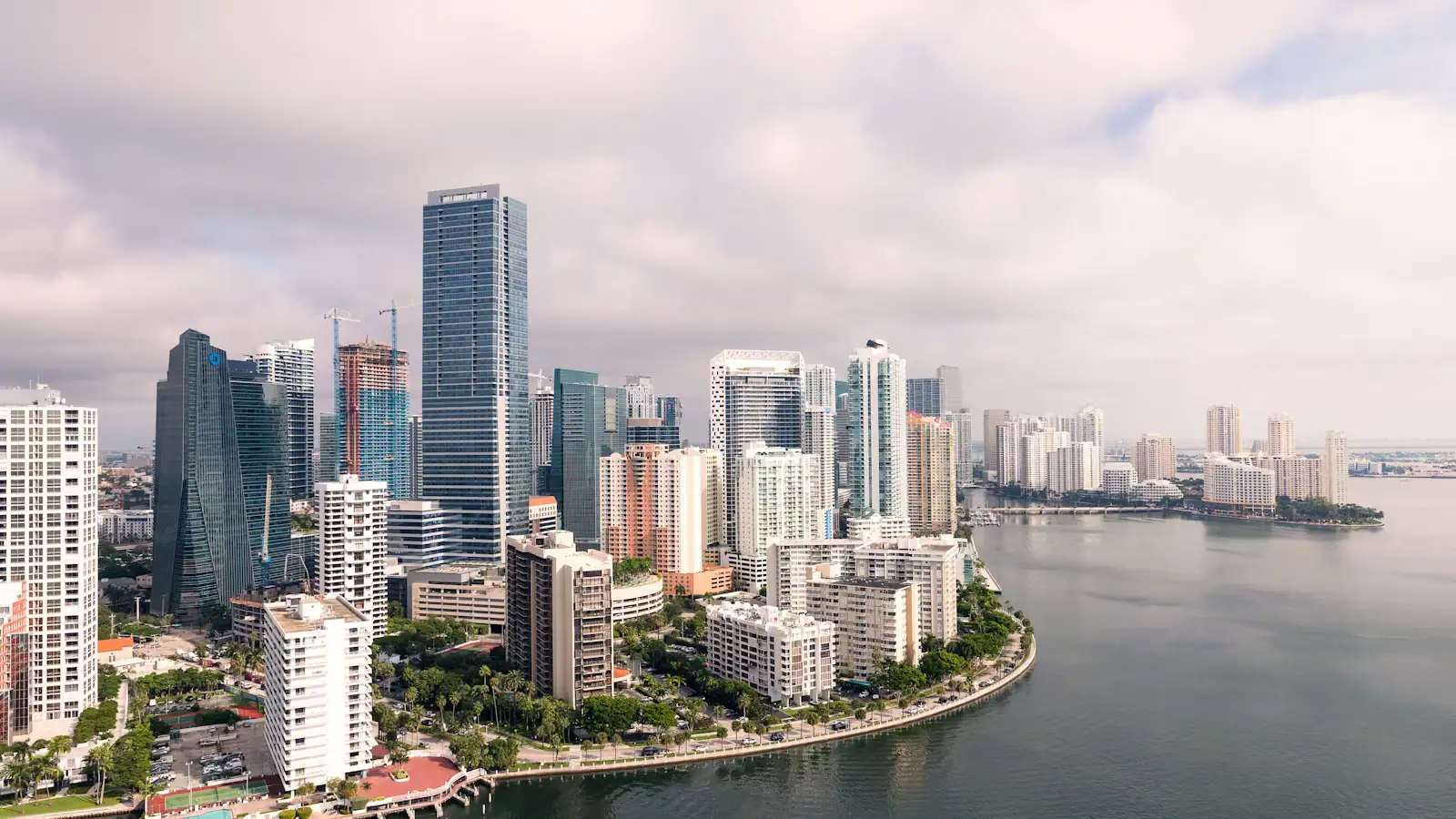
Where the good riding is: the open water between the MacArthur and Julia Tuttle causeways, mid-morning on a weekday, with the skyline on one side and the back of this island on the other. It is also, for what it is worth, the best view of South Beach there is.

What it costs on the water

What it costs

Bands, not quotes. These move with season, day of week and how busy the dock is.

  • Jet ski, half an hour: commonly around $100 to $140 for the machine
  • Jet ski, one hour: commonly around $150 to $250 for the machine
  • Extra rider on the same machine: usually a supplement of roughly $20 to $40
  • Parasailing, per person: commonly $90 to $140 for a flight of a few minutes in the air and about an hour on the boat
  • Paddleboard or kayak hire: commonly $30 to $60 an hour, cheaper for a half day
  • Guided paddle tour: commonly $60 to $100 per person

Extras that are rarely in the headline number: the fuel surcharge, the second-rider fee, the security deposit hold, the dock or launch fee at some operators, and the gratuity for the guide on a tour. Weekday mornings are the cheapest and the calmest slots of the week; Saturday afternoon in March is the most expensive and the busiest water of the year.

The free version of a day on this water is a swim off the beach and a walk out to the end of the jetty at South Pointe Park. The cheapest paid version is a paddleboard on the protected bay side, which costs less than two loungers on the sand and is a far better hour.

When the water is right

When to go

Early. The bay is glass between sunrise and about nine, and the sea breeze builds from late morning until it is putting a short steep chop across the open water by early afternoon. On a jet ski that chop is the difference between a ride and a beating; on a paddleboard it is the difference between a paddle and a swim.

Winter fronts. From November to March a passing cold front can put fifteen to twenty-five knots of northerly across the bay for a day or two. Operators cancel, and they are right to.

Summer storms. June to September builds a thunderstorm most afternoons. Morning slots, always. Lightning within striking distance closes the water and there is no negotiating with it.

Weekends. Saturday and Sunday put a large recreational fleet on this bay, and the sandbars fill. If you are new to a machine, ride on a weekday.

Water temperature. Around the mid-70s Fahrenheit at its coolest in February and the mid-80s in late summer, so no wetsuit is needed in any month. Wind chill on a wet body at twenty-five knots in January is a different matter: take a rash vest.

Sunset. Legal riding ends at sunset, and the good operators pull their fleet in well before it. If you want to be on the water for the last of the light, book a boat rather than a machine.

Book it

Everything else we track

These earn us a commission through Viator. Same price for you, and the commission had no hand in the order.

Sharing, or having it to yourselves

Most of what is bookable here sells two ways, and the cheaper one is not always the cheaper one. A shared departure is priced per person; a private booking is priced for the party, so the arithmetic flips somewhere around four to six people — and it is the only version where you pick the time. Check the party size each listing actually covers before you decide.

  • Book a seat

    A shared departure, priced per person. The cheapest way to do this for one or two people.

  • Book the whole thing

    Priced for the party rather than the seat, and you choose the departure time.

Who is allowed to ride, in plain terms

Before you book

  • Boating Safety Education ID. Florida requires anyone born on or after 1 January 1988 to hold one before operating a personal watercraft. It is not a driving licence and there is no test centre involved: it is a short course, and most rental operators will point you at an online version you can complete the same morning. Bring photo ID as well.
  • Age. Florida law allows operation from fourteen with the card. Rental companies set their own, higher bar: the person renting and signing is normally required to be eighteen or over, and some require twenty-one. Under-eighteens generally ride as passengers.
  • No night riding. Operating a personal watercraft between sunset and sunrise is prohibited in Florida. A sunset ride means being back at the dock, not still out at last light.
  • Engine cut-off lanyard. Wear it, on the wrist or the vest. It is both the law and the reason an unmanned machine does not circle back into you.
  • Life jackets are mandatory for everyone aboard, not just for children, and the operator supplies them.
  • Manatee zones. Large sections of the bay, including water around the causeway islands and inside the marina basins, are posted idle-speed or slow-speed. The fines are real and marine patrol works this water on weekends.
  • Stay out of Government Cut. The shipping channel at the bottom of the island carries cruise and cargo traffic. Commercial ships have right of way, no ability to stop, and a wake that will put you in the water.

Read the contract before you sign it

Before you book

This is the transaction that generates more complaints than anything else on the island, and almost all of it is avoidable.

The deposit hold. Operators take a hold on a credit card, commonly several hundred to well over a thousand dollars, released after the machine comes back undamaged. It is a hold, not a charge, but it sits on your available balance for days. Use a credit card, never a debit card.

The damage inspection. Photograph the machine yourself before you get on it: both sides of the hull, the rear grate, the seat, the scuffs on the rub rail. Do it on your phone with the timestamp on. Every serious dispute here comes down to whether a mark was already there.

What counts as damage. Sucking sand or weed into the intake, running aground on a bay flat, and flipping the machine are all chargeable, and repairs are billed at the operator's rate rather than a market one. Ask what the excess actually is before you ride.

Fuel. Some rentals include fuel in the hour, some bill it afterwards. Ask which.

The extra rider. A second person on the machine is usually a supplement, and it must be arranged when booking rather than at the dock.

The guided tour that is a convoy. Many hourly rentals are sold as tours: you follow a lead rider in single file at a set speed, and the price includes the briefing. That is a reasonable product and the safest way to do this, but it is not open riding, so book it knowing which one you bought.

Cancellation. Wind cancels these more often than rain. A free-cancellation booking is worth the small premium between June and September.

What to bring, and what to leave behind

What to bring

  • A credit card with headroom. The deposit hold is the reason. A debit card with a tight balance is how a good morning goes wrong.
  • Photo ID and, if you were born on or after 1 January 1988, your Boating Safety Education card. Take the online course the night before rather than queueing to do it at the dock.
  • A phone in a floating waterproof pouch, or no phone at all. Every operator on this bay has a box of drowned handsets.
  • Sunscreen applied twenty minutes before, and a rash vest. Spray, salt and reflected glare burn faster than the beach does, and there is no shade on the water.
  • Polarised sunglasses with a retainer strap. You will lose them otherwise.
  • Shorts you can swim in and a towel. You will be wet. There are no changing rooms at most docks.
  • Nothing loose in a pocket. Keys, cash and hotel cards go in the operator's locker.

Leave behind: the idea of riding from the beach in front of your hotel, expensive sunglasses, and any plan that has you on the water after about four in the afternoon in July.

On the ground

Where to go

Every place below has its own page — hours, parking, what it costs and what to expect when you get there.

  • Early morning sun rising out of the Atlantic over an empty stretch of sand

    Beach

    South Beach

    Free

    Free, public, and about three times wider than it was fifty years ago, because most of it was pumped there on purpose.

    1.5–6 hoursFree. The entire beach is public. Loungers, umbrellas and the concession rows are not.

  • A public pier running out over the water with a city skyline behind it at dusk

    Park

    South Pointe Park

    Free

    Fifteen minutes south of the Ocean Drive crowd, the island stops at a shipping channel and everything gets quieter.

    1–3 hoursFree. The park, the pier, the splash pad, the playground, the dog park and the beach access cost nothing.

  • Curving paved walkways running through low coastal planting in a landscaped seafront park

    Park

    Lummus Park

    Free

    Ten blocks of palm, path and free outdoor gym, and the decision that kept anyone from building between Ocean Drive and the Atlantic.

    0.5–3 hoursFree. The park, the outdoor gym, the volleyball courts, the restrooms and the beach access cost nothing.

  • A public fishing pier running out over the water with a city skyline behind it at dusk

    Park

    Maurice Gibb Memorial Park

    Free

    The bayfront park where South Beach actually watches the sun go down, with a Bee Gees playground and a mangrove shoreline.

    0.5–1.5 hoursFree. The playground, dog park, fishing pier and overlooks all cost nothing.

  • Small cups of espresso on a counter at a pavement coffee window

    Neighbourhood

    Sunset Harbour

    Free

    Four blocks on the bay where the roads were lifted two feet above the shopfronts, and where South Beach residents actually eat.

    0.5–2.5 hoursFree to walk around. Restaurants, shops and studios charge their own prices.

  • Sportfishing boats moored along a marina dock on a sheltered waterway

    Marina

    Miami Beach Marina

    Free

    Four hundred slips on the shipping channel, and the reason a South Beach boat trip reaches open ocean in ten minutes instead of forty.

    0.5–2 hoursFree to walk into and look around. Boat trips, rentals, charters and slips are priced by the individual operator.

Straight answers

Questions people actually ask

Do you need a licence to rent a jet ski in South Beach?

Not a driving licence, but if you were born on or after 1 January 1988 Florida requires a Boating Safety Education Identification Card to operate a personal watercraft. It is a short course, usually available online, and most operators will point you at one you can complete the same morning. Bring photo ID too. Rental companies normally require the person signing to be at least eighteen.

Can you jet ski from the beach in South Beach?

No. The Atlantic beach in front of Ocean Drive and Lummus Park is a lifeguarded swimming beach, and the rental fleets are on the bay side of the island, mainly at the marina near the southern end on Alton Road. Hotel beach concessions run parasailing and similar off their own permitted stretches of sand, but jet ski rentals launch from the back of the island.

How much does it cost to rent a jet ski in South Beach?

Commonly around $100 to $140 for half an hour and $150 to $250 for an hour, for the machine rather than per person, with a supplement of roughly $20 to $40 for a second rider. Fuel is sometimes extra. Expect a refundable security deposit held on a credit card, often several hundred dollars or more. Rates move with season and demand, so confirm before booking.

Why do jet ski rentals take such a large deposit?

Because damage is common and expensive: sucking sand or weed into the intake, grounding on a shallow bay flat, or flipping the machine are all chargeable at the operator's repair rate. The deposit is a hold on a credit card, released when the machine comes back clean. Photograph the hull, grate and seat before you ride, with the timestamp on, and use a credit card rather than a debit card.

Can you ride a jet ski at night in South Beach?

No. Operating a personal watercraft between sunset and sunrise is prohibited in Florida, so the fleets come in well before last light. If you want to be on the water at dusk, book a boat instead: sunset here happens over Biscayne Bay on the bay side of the island, which is where the evening sailings go.

Where can you paddleboard or kayak in South Beach?

The sheltered bay-side basins at the northern end of the neighbourhood, around Sunset Harbour and the small waterfront park on Purdy Avenue. The water there is shallow, protected and largely free of boat wake, which is the opposite of the Atlantic side. Go early: the sea breeze fills in late morning and turns a flat paddle into a workout.

Is the water around South Beach safe to swim in?

The Atlantic side is a lifeguarded swimming beach and Miami-Dade posts water quality advisories after heavy rain, which are worth checking. The bay side is a working waterway with boat traffic, channels and a hard tidal flow through Government Cut at the southern tip, and it is not a swimming area. Swim from the beach, near a lifeguard tower, and watch the flag.