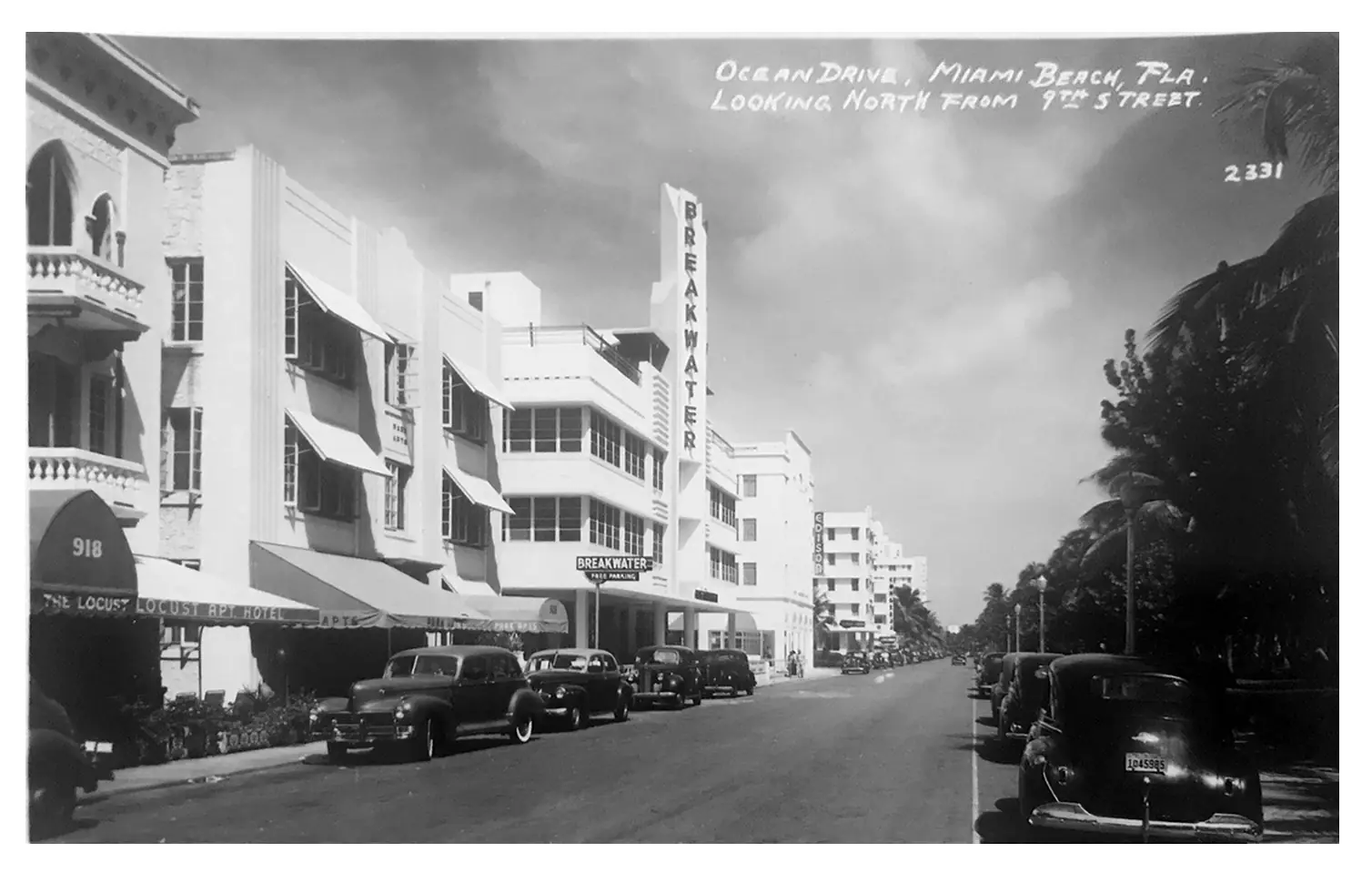
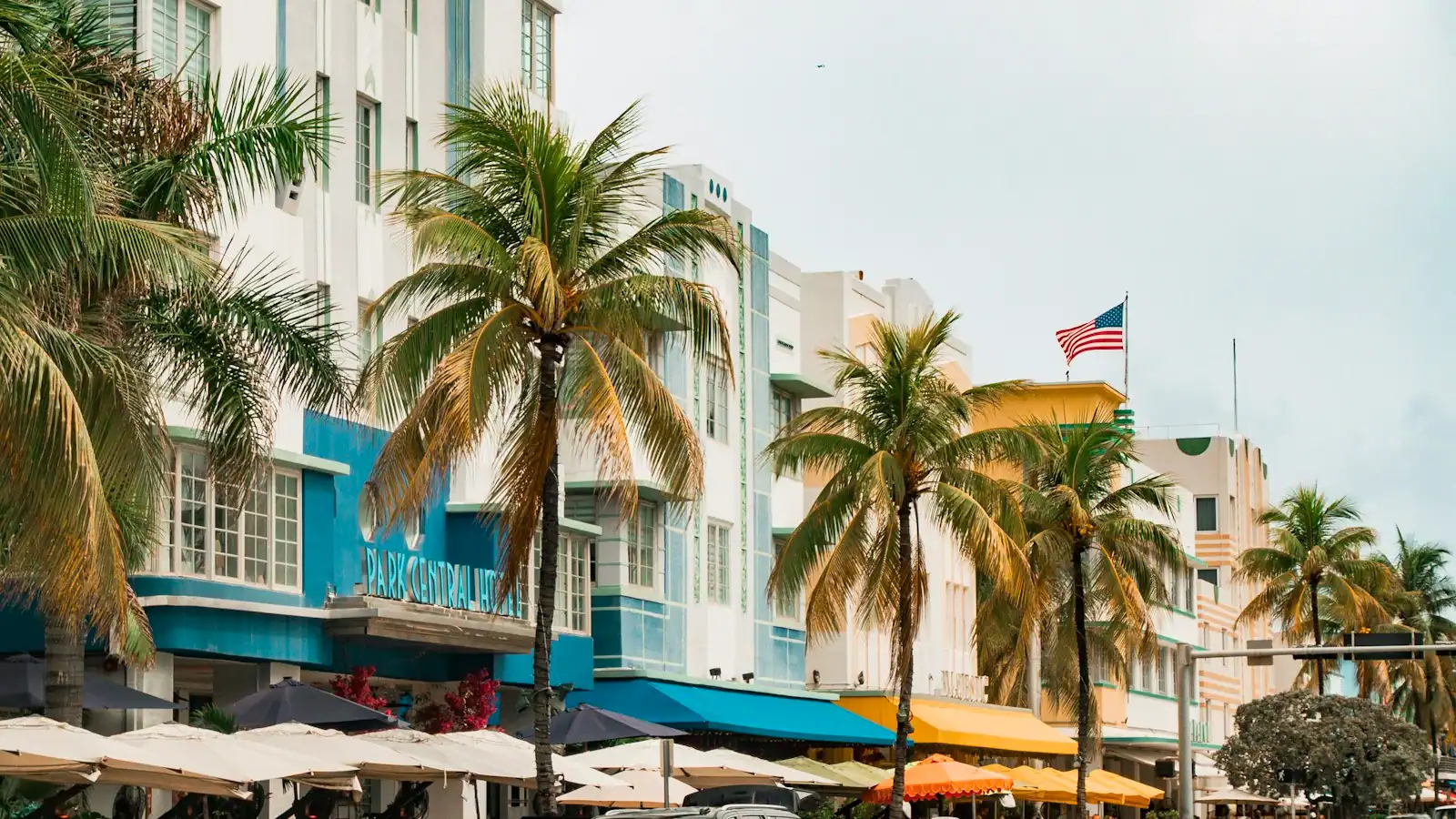
The single most common bad experience in this neighbourhood happens at a table on Ocean Drive, and it is not a scam so much as a business model that visitors are not briefed on. A host with a laminated menu waves you into a sidewalk café. Nobody quotes a price for the special. A bucket of drinks arrives. The bill comes with an automatic service charge of somewhere around eighteen to twenty per cent already added, then sales tax on top, and then a blank tip line on the card slip, which a lot of people fill in without noticing they have already paid a service charge. A two-person lunch that felt like it should be sixty dollars is a hundred and ten.
Here is the useful part. Miami Beach regulates this. Sidewalk café permits on the Ocean Drive blocks between 5th and 15th require the operator to certify that any automatic gratuity or service charge will be disclosed on the menu and on the face of the customer's bill and receipt, together with the combined city, county and state tax percentage. Florida law separately requires notice of an automatic gratuity on the menu and the bill. So the number is not hidden. It is printed, usually in the smallest type on the last page of the menu, and almost nobody reads it before sitting down.
That is the whole trick: read the footer of the menu before you sit, not after you have ordered. Ask the host two questions, out loud, on the pavement. What is the service charge, and what is the price of the special? A host who will not answer either has told you everything you need to know, and there are forty more tables within a hundred yards.
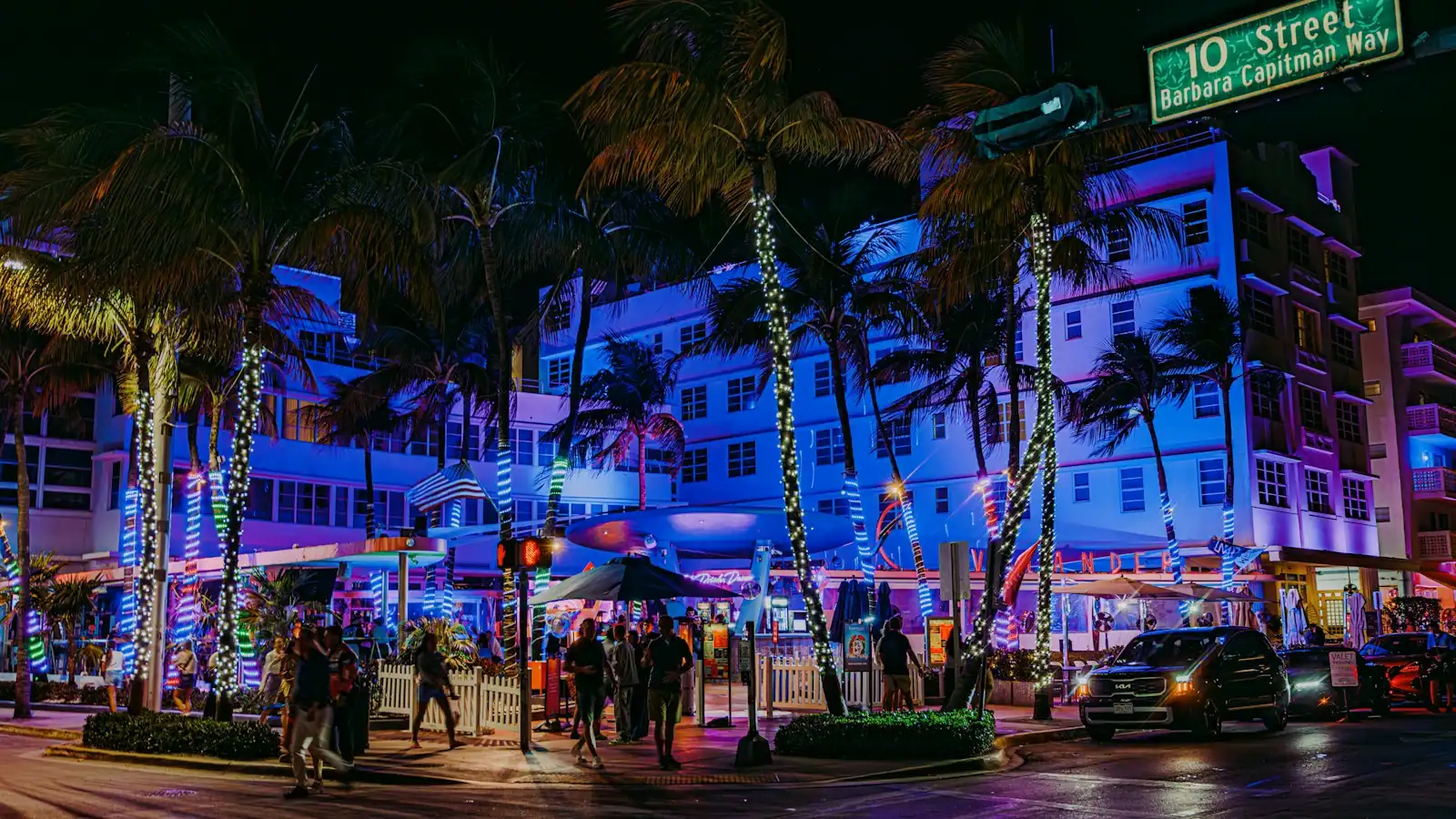
None of which means you should not eat on Ocean Drive. An evening drink at a table with the neon on and the deco lit behind you is one of the pleasures of being here. It means you should eat there knowingly, and do your actual eating on the other blocks, because this neighbourhood is much better fed than its most famous street suggests.
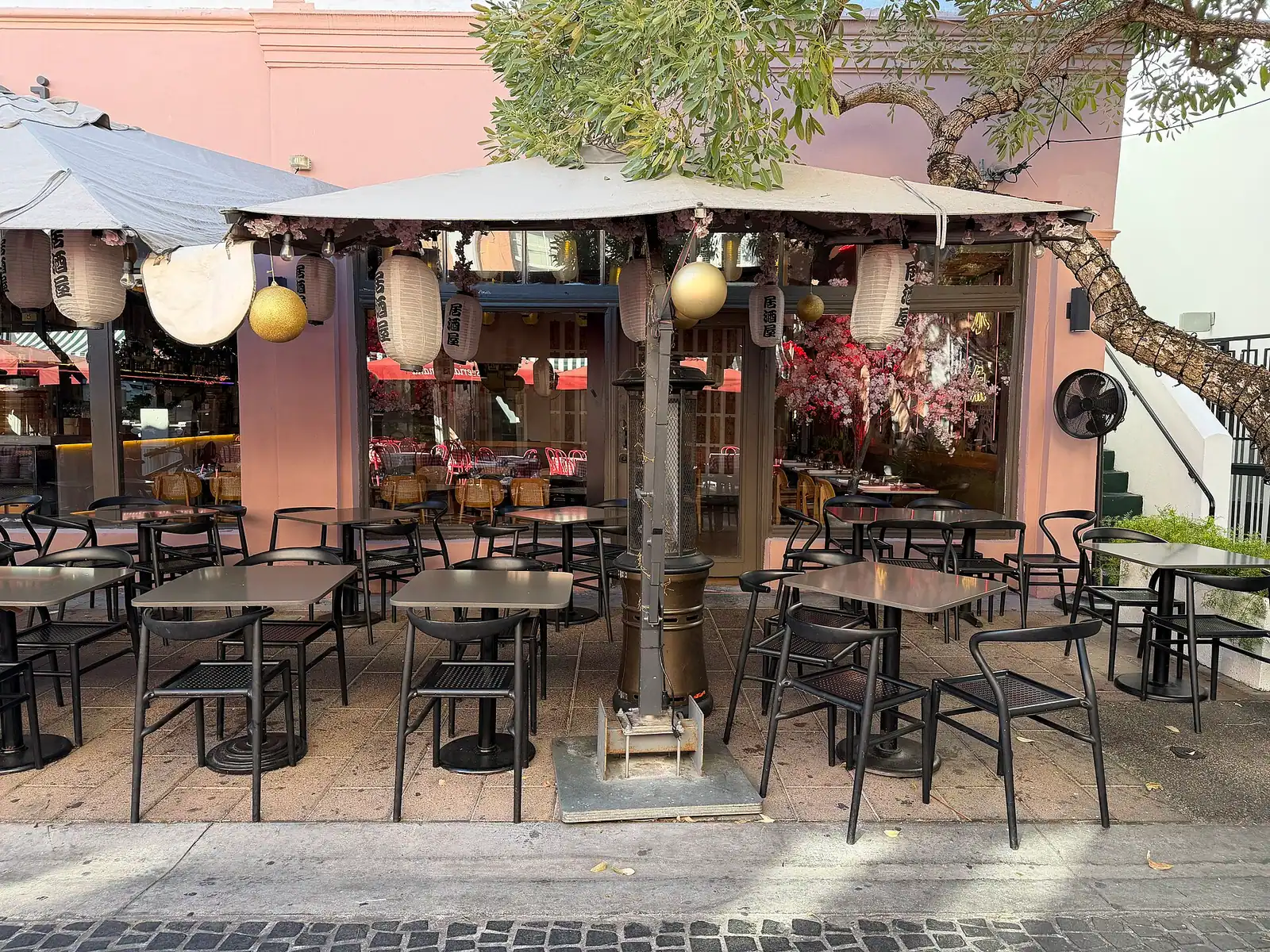
Two streets west, the picture changes entirely. Espanola Way, a single Mediterranean-revival block from 1925, puts its tables in the middle of a pedestrian street under string lights. South of Fifth, at the bottom of the island, is where the serious restaurants are, including one that opened in 1913, two years before Miami Beach was a city. The Sunset Harbour blocks at the northern end of the neighbourhood are where people who live here eat on a Tuesday. There is a working 1948 dining car on Washington Avenue that serves food around the clock, and Cuban counters where a cortadito costs less than the tip on an Ocean Drive coffee.
And there is brunch, which in this neighbourhood is a genuine institution rather than a menu category, including a drag brunch that has been running on Ocean Drive since the 1980s. The section below on bottomless pricing explains what the number on the sign actually covers.