Collins Avenue is named after a man who came to Florida to grow fruit. John Stiles Collins was a New Jersey horticulturist who bought roughly 1,675 acres of this barrier island in 1909 and planted an avocado grove on it. The grove was not a success — the soil and the salt were against it — but the infrastructure he built to serve it changed everything. In 1911 he dug the Collins Canal across the island so his produce could be barged to the mainland, and used the spoil to raise the land. Then, because barging was slow, he started building a bridge.
The Collins Bridge opened on 12 June 1913: two and a half miles of wooden toll bridge, financed in part by Carl Fisher, and at the time the longest wooden bridge in the world. Before it, the island was reachable only by boat. After it, it was reachable by car. Everything that followed — the land boom, the hotels, the deco district, the whole idea of Miami Beach — runs through that bridge. Collins died in 1928, aged 90, having seen a town built on his avocado farm.
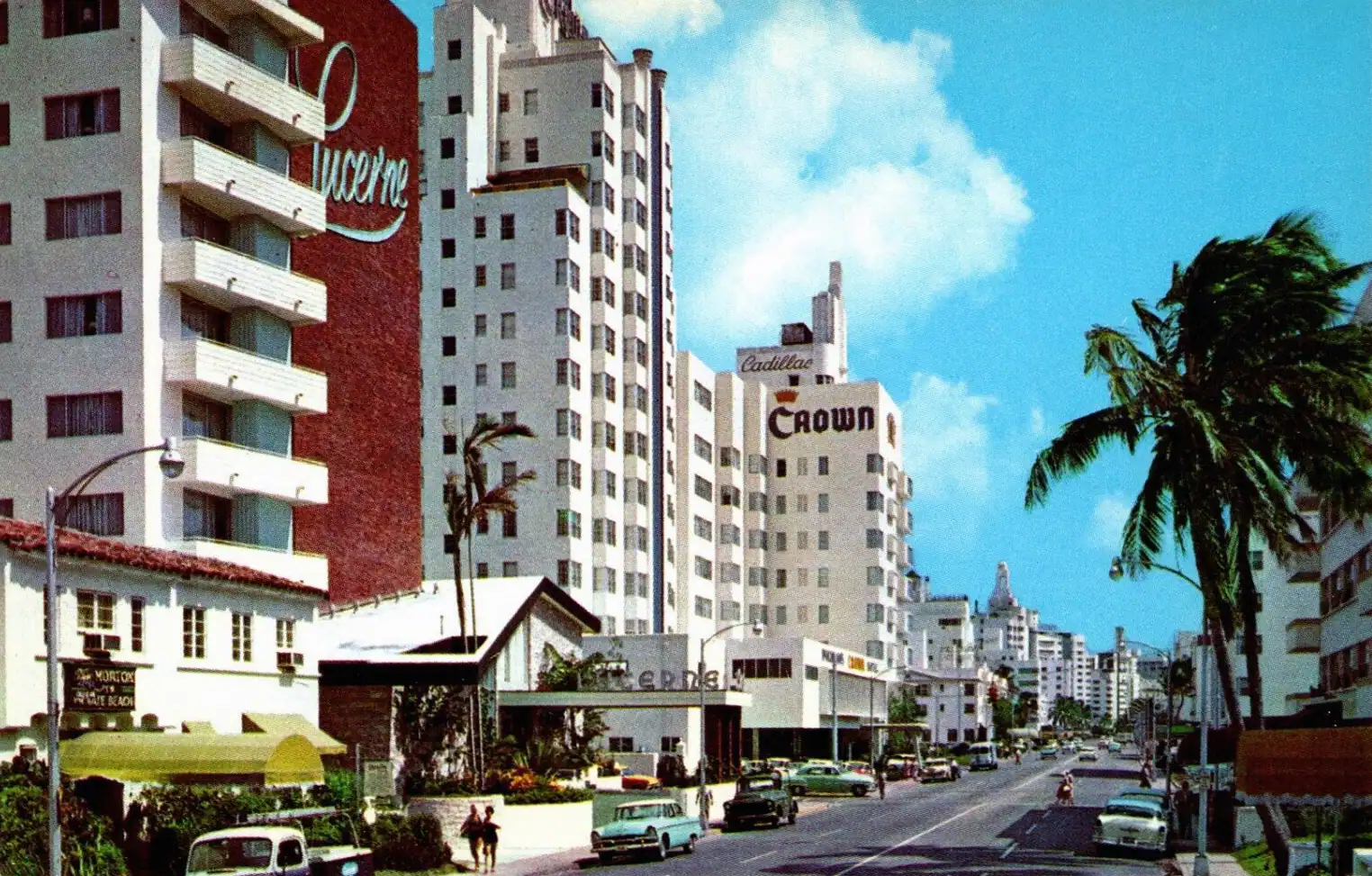
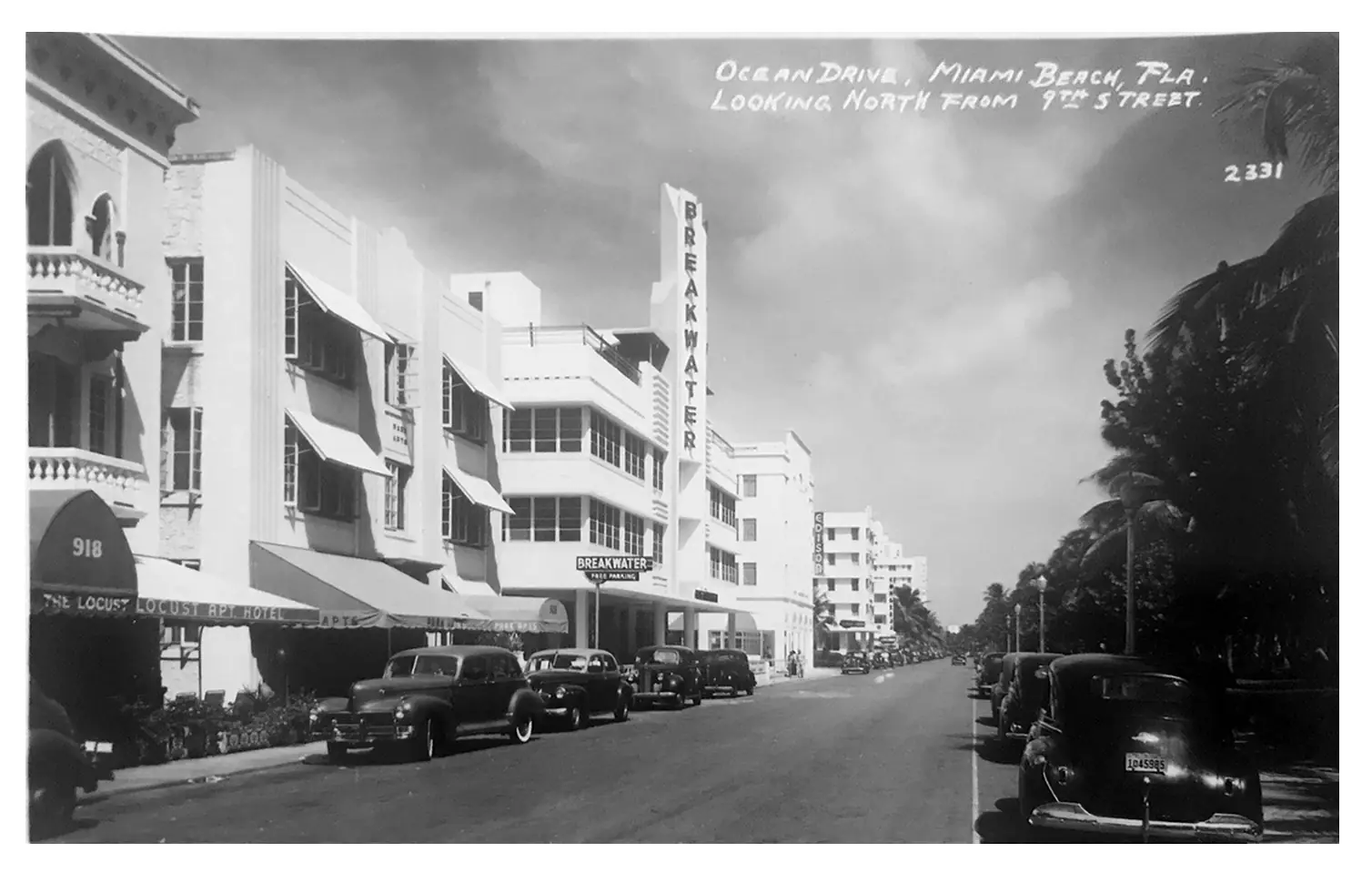
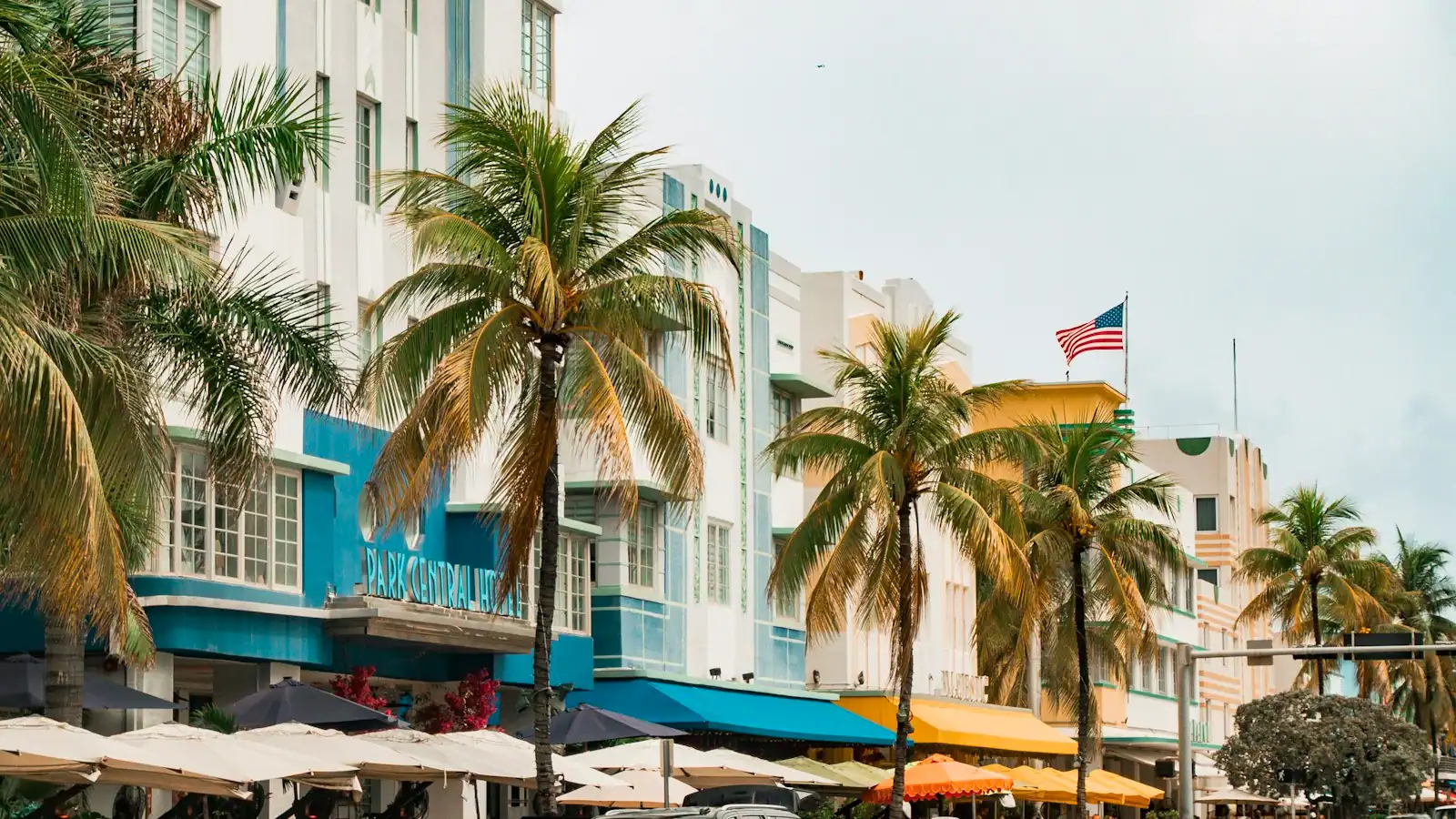
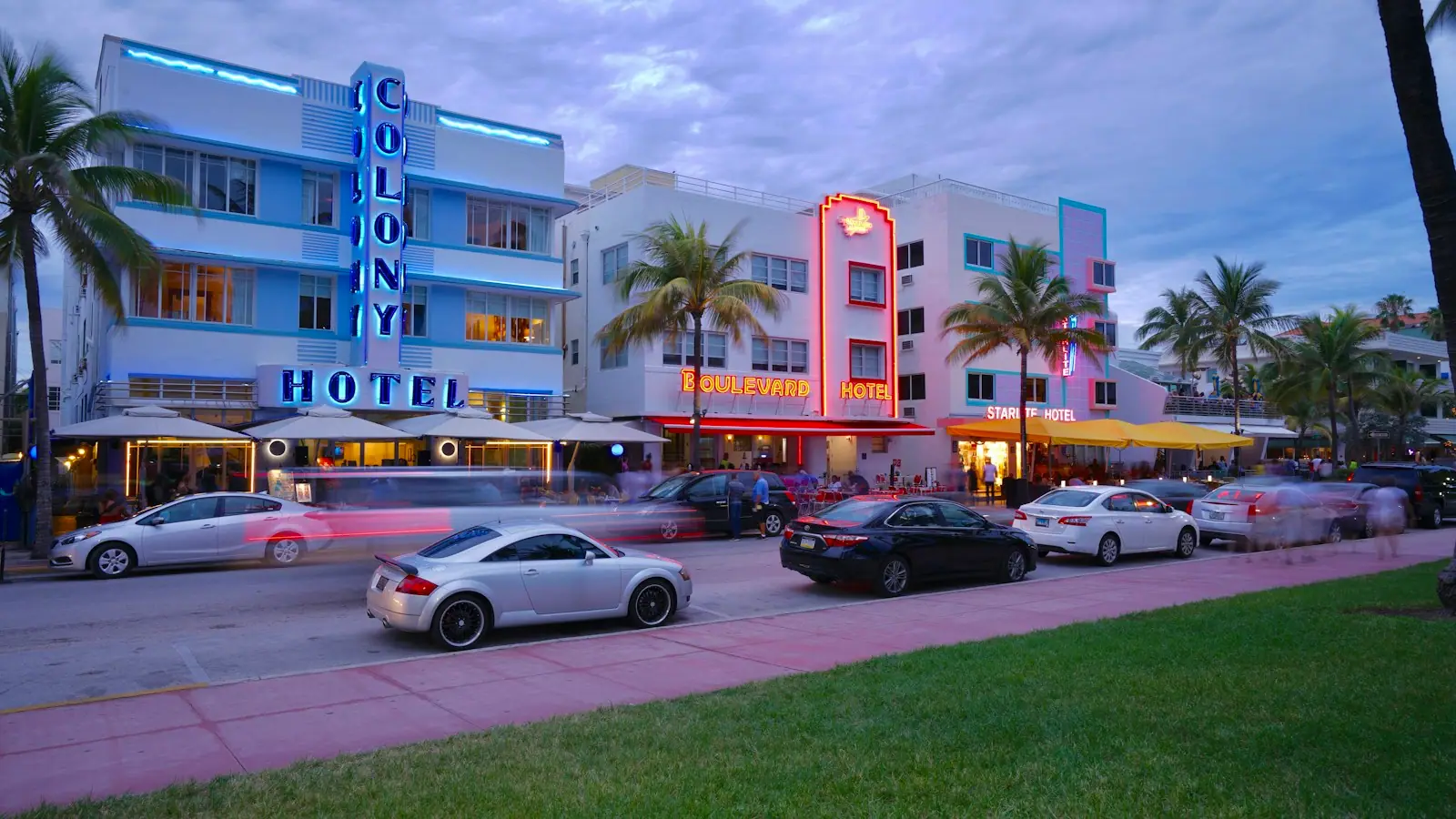
His avenue now carries State Road A1A the length of the island, and within South Beach it does a specific job: it is the hotel street. Ocean Drive has thirty-odd hotels on ten blocks. Collins has several times that, on both sides, from 1st Street to 23rd and then north into Mid-Beach for miles.
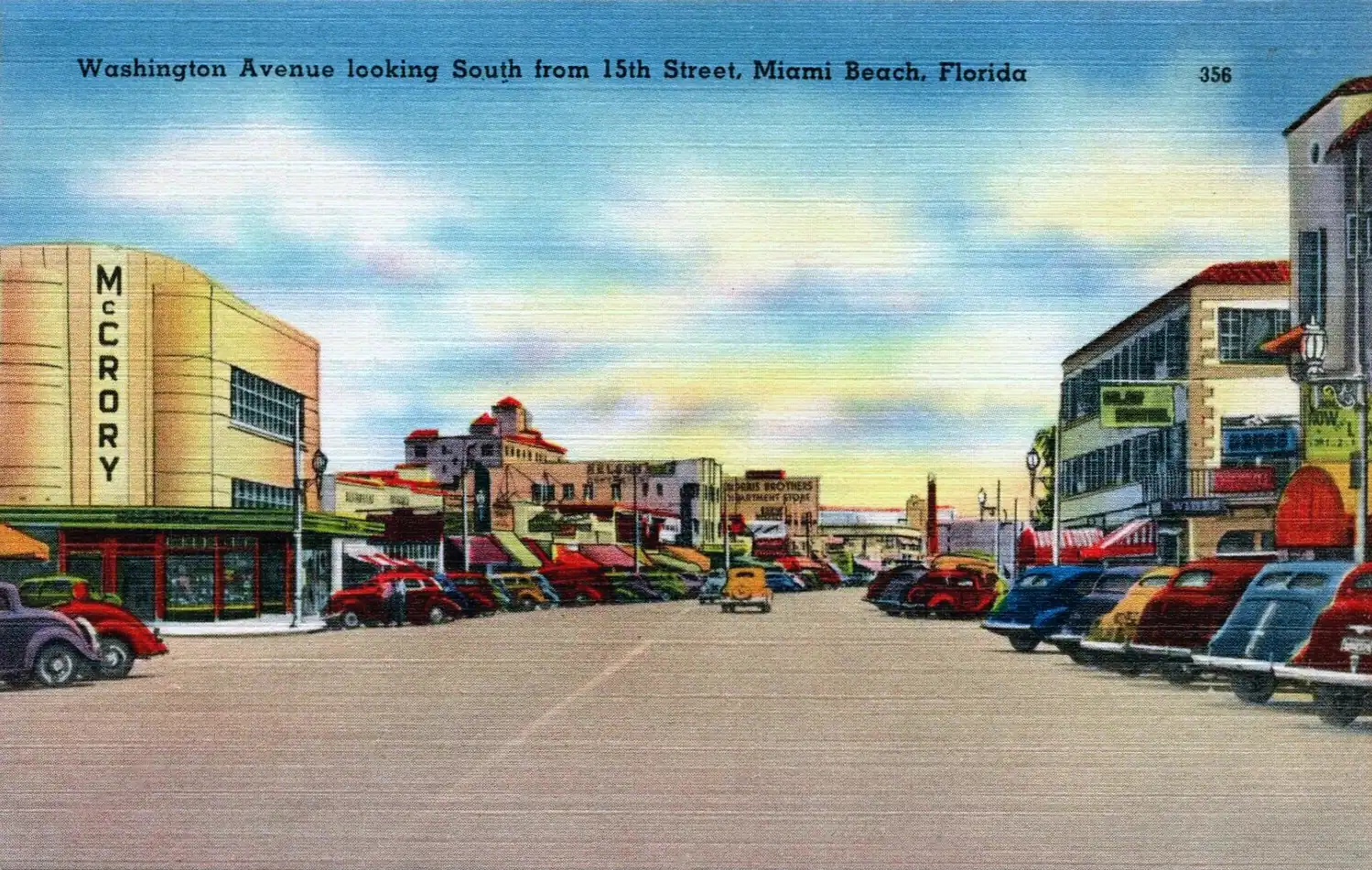
The practical point for a visitor is the price gradient. A room on Ocean Drive costs a premium for the address and the noise that comes with it. The same standard of room one block west on Collins is usually meaningfully cheaper, and the walk to the sand is ninety seconds longer. Two blocks west on Washington is cheaper again. If you are choosing where to stay in South Beach, that gradient is the single most useful thing to know.
Collins is also where the district's ordinary shopping is — mid-market chains, beach shops, pharmacies, swimwear — concentrated between roughly 5th and 17th Streets.