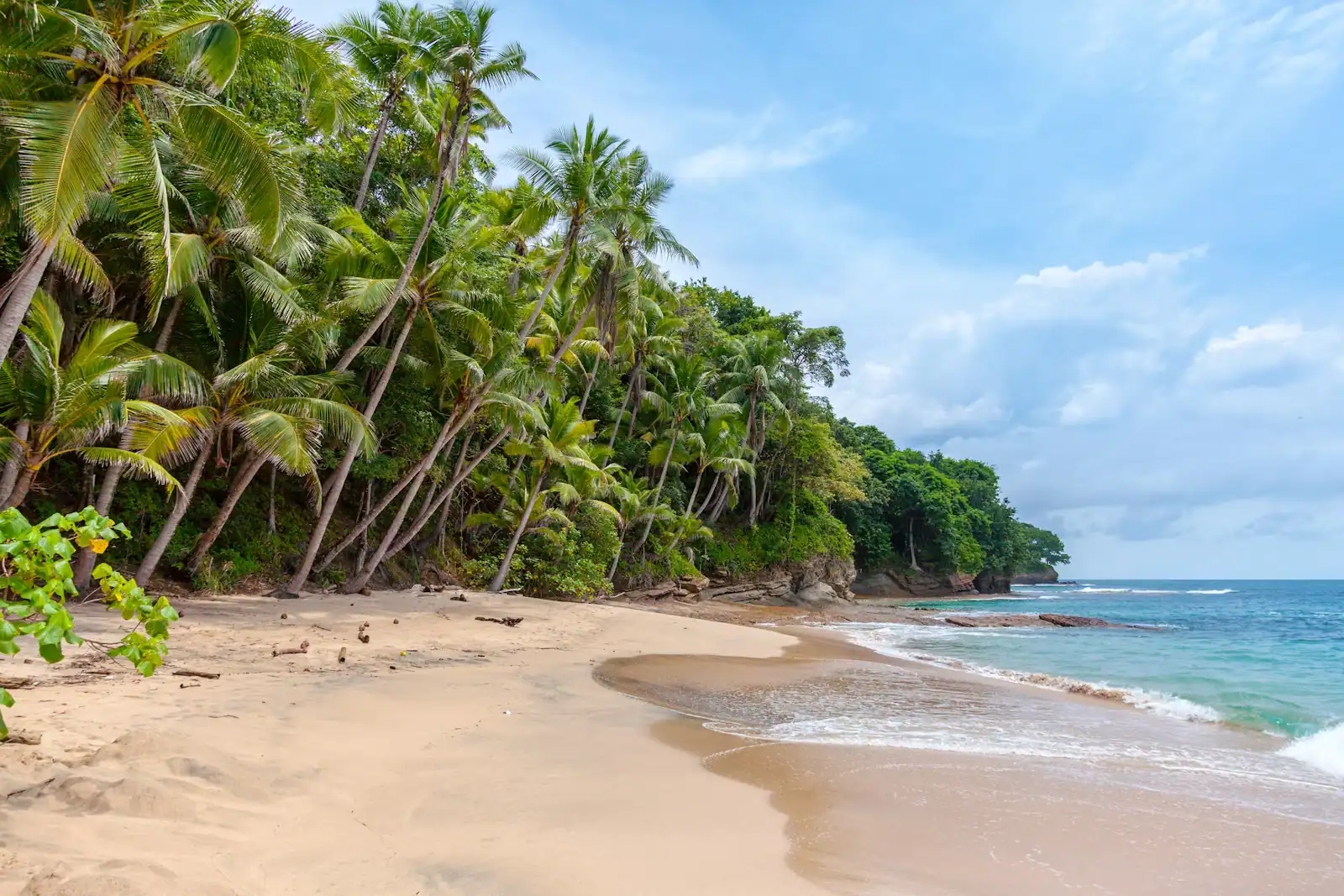
The beach is free. That is the first and most useful fact, because a great deal of South Beach is arranged to make you think otherwise. The sand, from the dune line to the waterline, is public along its entire length. What costs money is a lounger, an umbrella and the service that comes with them, all of it run by beachfront concessions and priced in the range you would expect for a chair on a famous beach. Walk past the rows, put a towel down, and you have spent nothing.
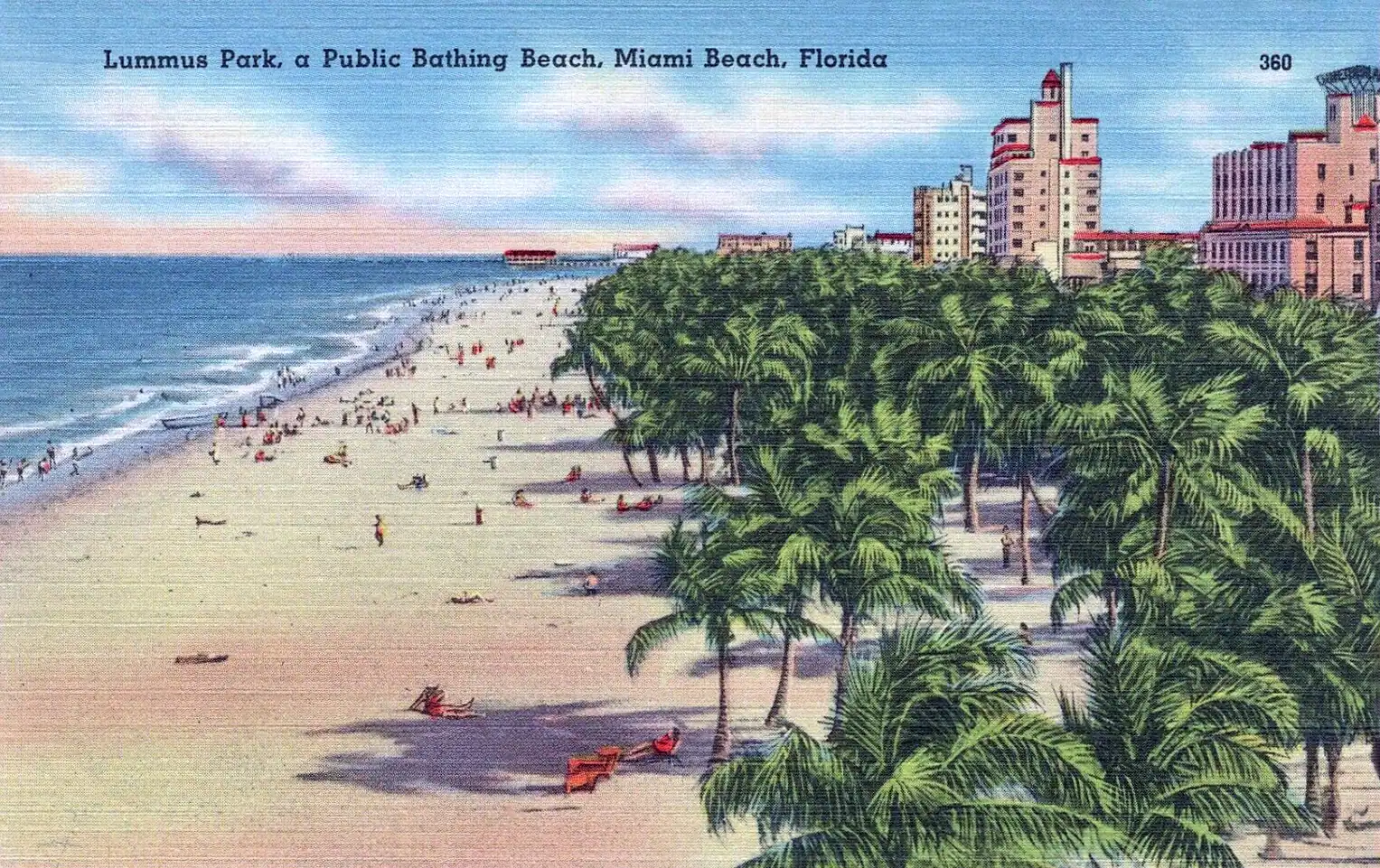
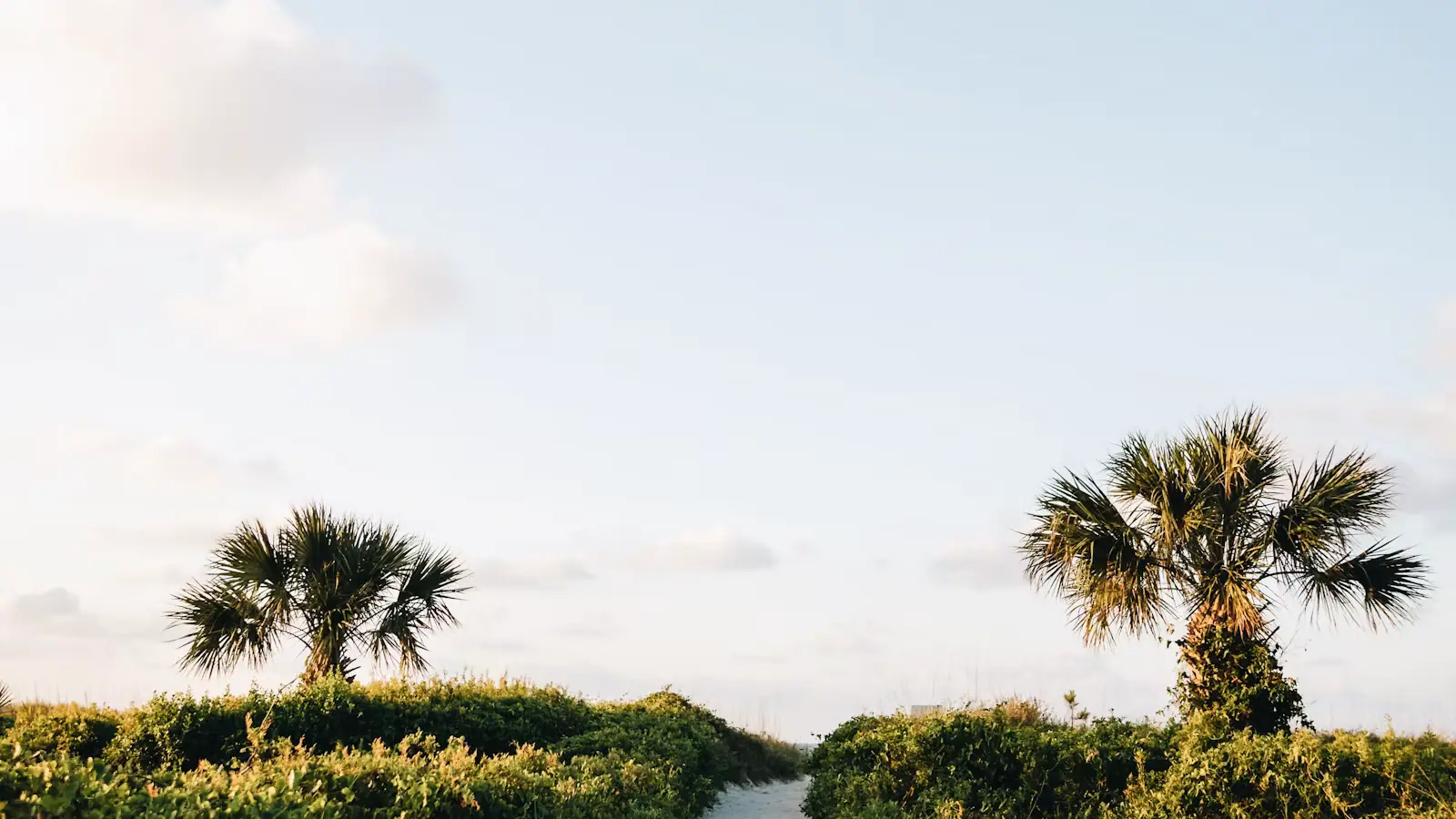
It is also extremely wide, and it is wide on purpose. Photographs from the early 1970s show a strip of sand so eroded that in places the Atlantic reached the seawalls. What exists now is the result of a major federal renourishment programme carried out from the mid-1970s into the early 1980s, which pumped offshore sand ashore and rebuilt the shoreline several hundred feet seaward. The dune line behind it, planted with sea oats and sea grape, was part of the same logic. So the long walk from your towel to the water is not a natural feature. It is engineering, and it is periodically topped up.
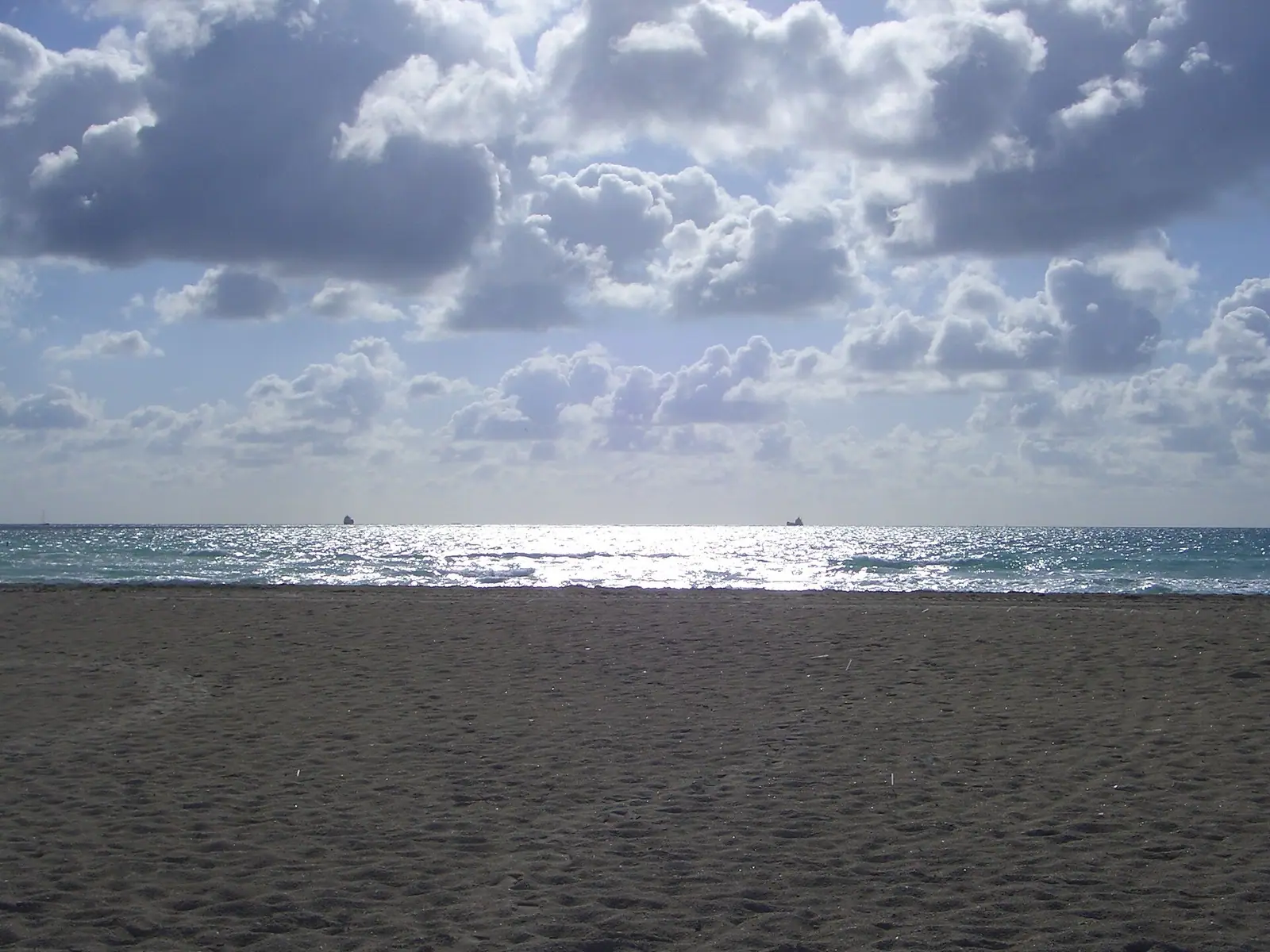
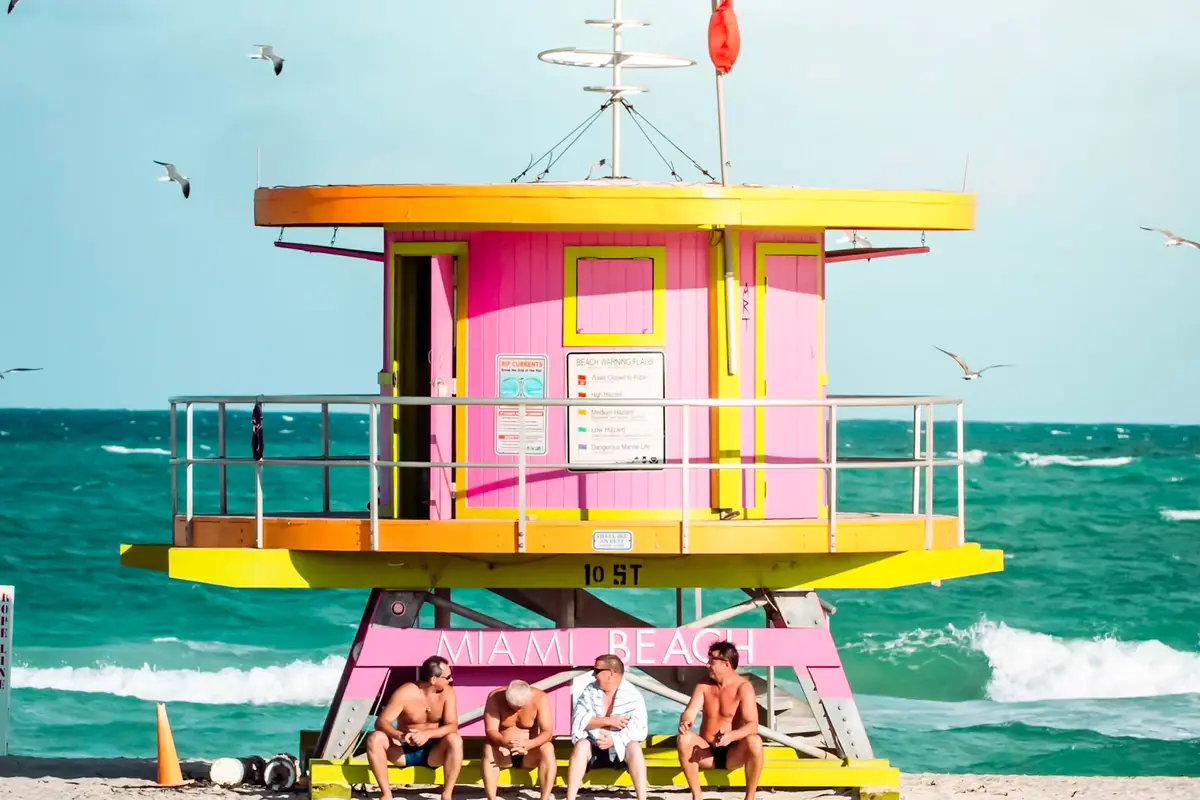
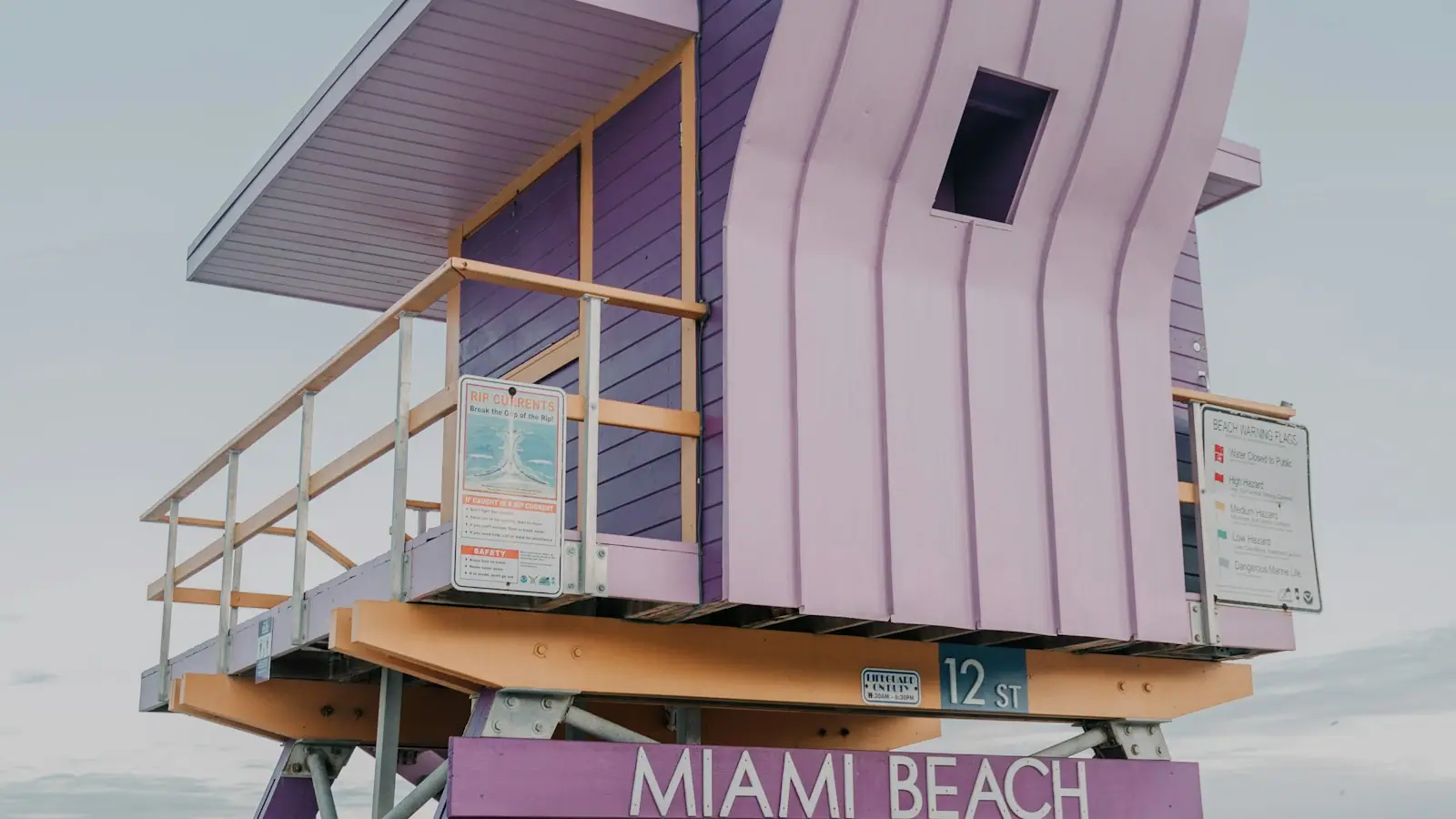
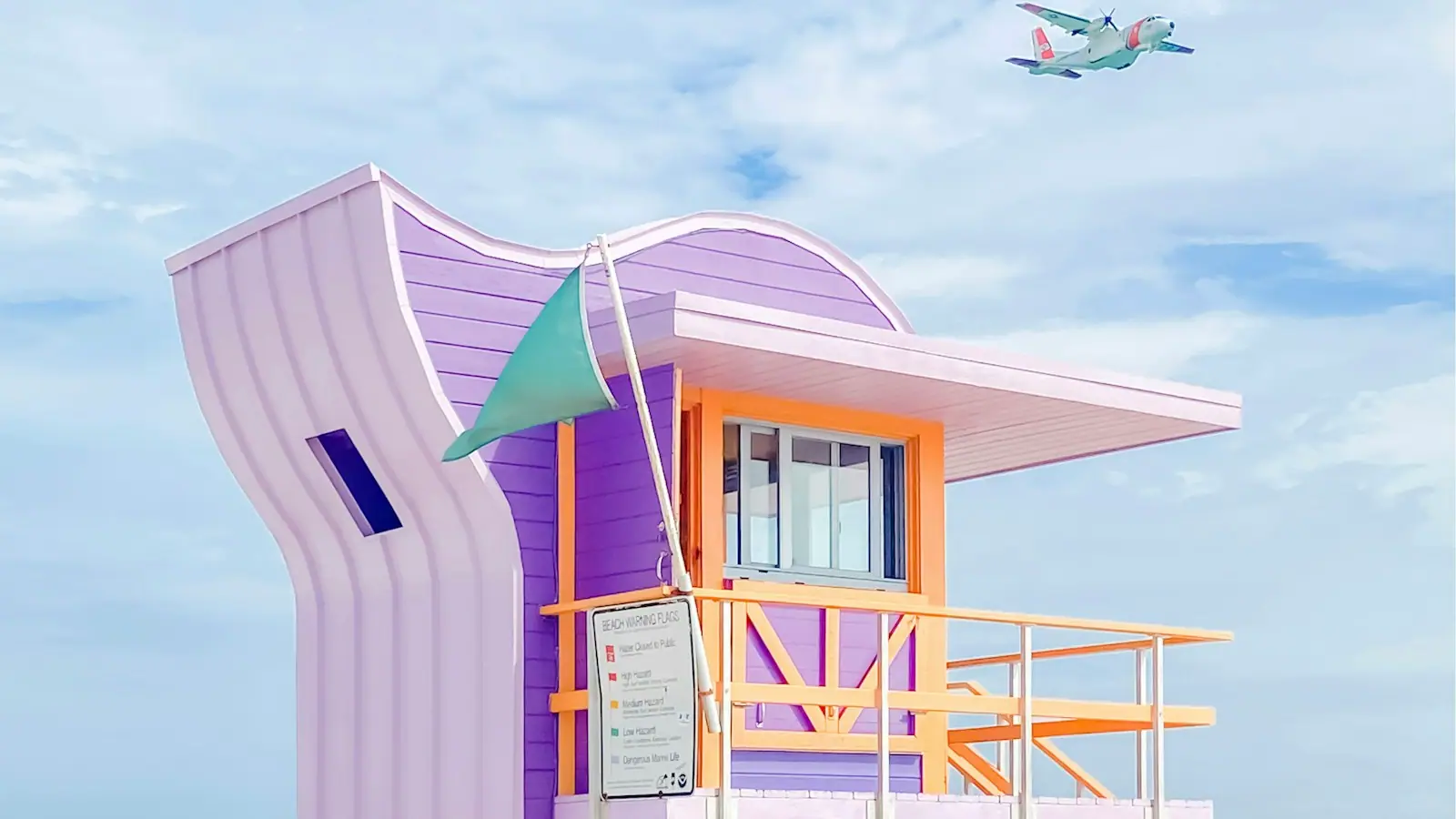
The water is warm, shallow-shelving and usually gentle. This is not a surf coast: South Beach sits behind the Bahama bank and the Gulf Stream, which strips most Atlantic swell before it arrives. On a typical day you get knee-to-waist chop. On a windy winter day with a strong northeast, you get shore break and rip currents, and the flags go yellow or red.
Two seasonal facts worth knowing before you book. Sargassum — the brown floating seaweed — arrives in quantity from roughly late spring into summer, some years lightly and some years in mats that get raked into berms along the tideline. It smells as it dries. And summer afternoons bring a short, heavy thunderstorm most days, which clears the beach in about ten minutes and returns it an hour later.
Between 5th and 23rd Street the beach is one continuous strip, but it is not one continuous crowd.