Here is the number that matters, and almost nobody arrives knowing it. At the time of writing, an on-street meter in South Beach costs around $4 an hour with no daily cap. A city-run garage four blocks away costs around $2 an hour with a daily maximum in the region of $20. The garage is half the price and it stops charging. The kerb never does.
That is the whole guide in two sentences. Everything below is the detail that keeps you out of trouble.
Why driving to Ocean Drive is a mistake
Ocean Drive is one-way southbound, lined with valet stands, loading zones and pedestrian crossings, and it carries a permanent slow-moving parade of cars whose drivers are looking for a space that does not exist. There is no scenario in which the ten minutes you spend on it are worth it.
The Entertainment District meter zone, which runs from Ocean Drive west to Pennsylvania Avenue between 5th and 15th Streets, is enforced twenty-four hours a day, seven days a week. Not until 6pm. Not until midnight. Around the clock. Elsewhere in South Beach enforcement typically runs from 9am to 3am, which in practice is also around the clock for anyone on holiday.
Park once, in a garage, for the whole day, and walk. The neighbourhood is a mile and a half long.
The garages, and which one is yours
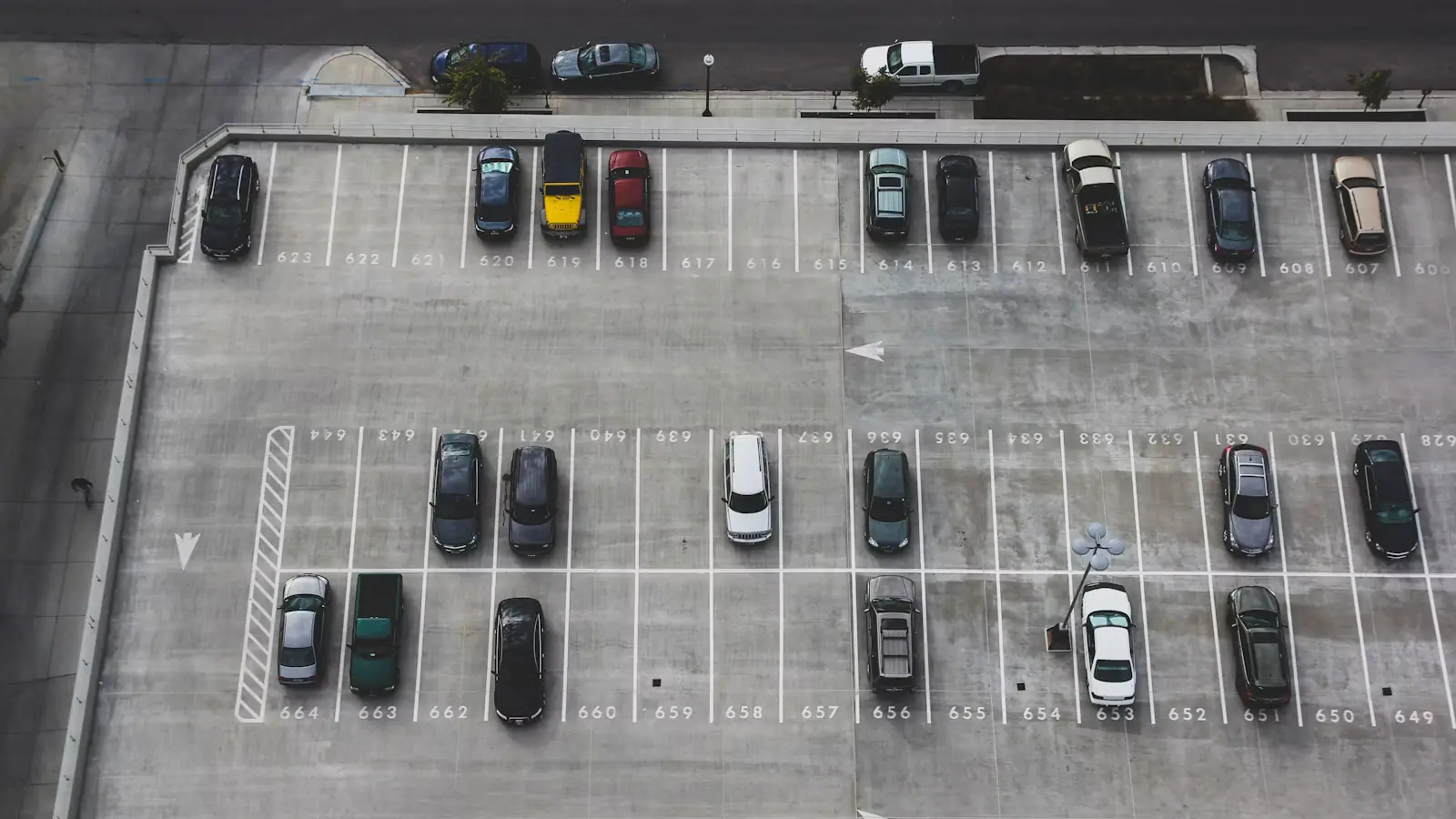
The city runs a chain of municipal garages through South Beach. They are concrete, they are safe, they are far cheaper than the kerb, and most of them are within three blocks of somewhere you want to be.
| Garage | Closest to | Notes |
|---|---|---|
| 5th & Alton | South of Fifth, the beach at 3rd to 6th | Historically free for the first two hours, then hourly. The best-value option on the island |
| 7th Street | Ocean Drive south end, the deco blocks | Walk east four blocks to the sand |
| 12th Street | Mid Ocean Drive, Española Way | The default for the Art Deco walk |
| 13th Street | Collins at 13th, the Cardozo end | Small, fills early on weekends |
| 16th Street & Pennsylvania Avenue | Lincoln Road, the convention centre | Two garages a block apart; use whichever has space |
| 17th Street | Lincoln Road west end, New World Center | The biggest. Rarely full outside event weeks |
| City Hall | Flamingo Park, Meridian Avenue | Quiet, residential-side, usually has room |
| Collins Park | The Bass, the Botanical Garden, 21st-23rd | The north end of South Beach |
| Sunset Harbour | The bay side, where locals eat | Free-ish early, busy at dinner |
What the garages cost
Typical rates at the time of writing sit around $2 an hour with a daily maximum near $20, and several switch to a flat charge of roughly $15 on weekend and event evenings after about 8pm. Registered residents pay less; visitors do not qualify. Confirm current rates on the city's own parking pages before you rely on any of this, because they are revised.
How to pay, and the thing people get wrong
Apps and kiosks
Street parking is paid by app or by kiosk. ParkMobile and PayByPhone both cover Miami Beach. Download one before you arrive and register a card, because standing on a kerb at 11pm creating an account is a bad use of a holiday.
The error to avoid: entering the wrong zone number. Every block face has its own zone, printed on the meter pole and the kiosk, and paying for the block you parked on last time buys you nothing. Photograph the pole.
Sessions can be extended remotely, which is the app's one genuine advantage over the kiosk. Set a reminder for ten minutes before expiry.
How cars actually get towed here
Tickets are annoying. Towing is the expensive one, and it happens for a small, predictable list of reasons.
- Residential permit zones. Whole blocks west of Washington Avenue and through the Flamingo Park and Palm View areas are permit-only, often overnight, and they are signed rather than metered. A block with no meters is not a free block.
- Loading zones and valet zones. Ocean Drive and Collins are full of both, and the valet stands are leased kerb space with a genuine incentive to have you removed.
- Street sweeping windows, posted on small signs at head height, easily missed at night.
- Hydrants, crosswalks, corners and disabled bays. Enforced strictly, without discretion.
Getting it back
Recovery means a compound on the mainland, a taxi to reach it, and a bill that, during high-impact periods in the Art Deco District, has been set at roughly double the standard non-resident rate. Read the signs, including the small one above the one you read.
Valet, and whether it is worth it
Hotel overnight valet in South Beach is a substantial nightly charge on top of the room, and it is one of the three costs that make a rental car a bad idea here. Ask what it is before you book, not at check-in.
Restaurant and club valet on Ocean Drive, Collins and Washington is priced by the evening and by the venue, and the car is typically driven several blocks to a garage anyway. If you can walk, walk.
March, December, and the weekends the rules change
Two periods rewrite all of the above.
Spring break, through March, brings traffic plans, restricted access to Ocean Drive on high-impact weekends, and flat parking rates in the four Art Deco District garages that have run in the region of $40 to $100 rather than the usual hourly scale. Resident discounts are suspended in those garages. Non-resident towing rates in the district are raised deliberately as a deterrent.
Art Basel Miami Beach, in early December, fills every garage within walking distance of the convention centre and Lincoln Road for the best part of a week.
On both, the answer is the same and it is not a parking answer: take the trolley, take a rideshare, or stay on the island and walk.
The honest recommendation
If you are staying in South Beach, do not rent a car for the trip. Take a taxi or rideshare from the airport, walk the island, use the free Miami Beach Trolley, and hire a car for the single day you want the Everglades or the Keys. Return it that evening.
If you are driving in for the day, pick a garage from the table above before you cross the causeway, put the address in the satnav, and leave the car there until you go home.
The day-tripper's parking plan
Arrive before 10am. Garage space at the southern end thins out through the morning and the beach-front lots are gone by mid-morning on any warm weekend.
Come in over the MacArthur Causeway and turn south. The 5th & Alton and 7th Street garages sit within a few blocks of the ramp, which means you stop looking for parking about ninety seconds after you arrive on the island.
Pay the daily maximum mentally and forget it. Once you are past roughly five hours in a city garage, the cap has already made the decision for you. Stop watching the clock and go to the beach.
Leave before 6pm or after 9pm. The causeways back up either side of the dinner hour, and the difference between those two windows is around half an hour of your life.
Never park on an unmetered residential block to save the fee. That is where the towing happens.
The three ways to not park at all
The free Miami Beach Trolley. Four loops, including a South Beach loop, running roughly 8am to 11pm at about twenty-minute intervals. No fare, no ticket. It is slow and it is completely free, which is an unusual combination in this neighbourhood.
Metrobus over the causeway. Route 120, the Beach MAX, connects downtown Miami with Miami Beach along Collins Avenue; other routes cross the MacArthur. Standard Miami-Dade fares apply, with a daily cap for contactless payment. Cheaper than a rideshare by a wide margin and slower by about twenty minutes.
Rideshare, used properly. The trick in South Beach is the pickup point rather than the app. Ocean Drive is one-way southbound with almost nowhere legal to stop; Collins and Washington are far easier. Walk a block west before you request the car and the wait halves.
Cycling works too, on the Beachwalk and the flat street grid, but Washington Avenue traffic is not a beginner's ride and bike theft here is real. Lock it properly or use a docked hire scheme.
Last updated
Opening hours, ordinances and prices move with the season. We re-check this guide rather than rewrite it, and the date above is the last time someone did. How we research and correct.