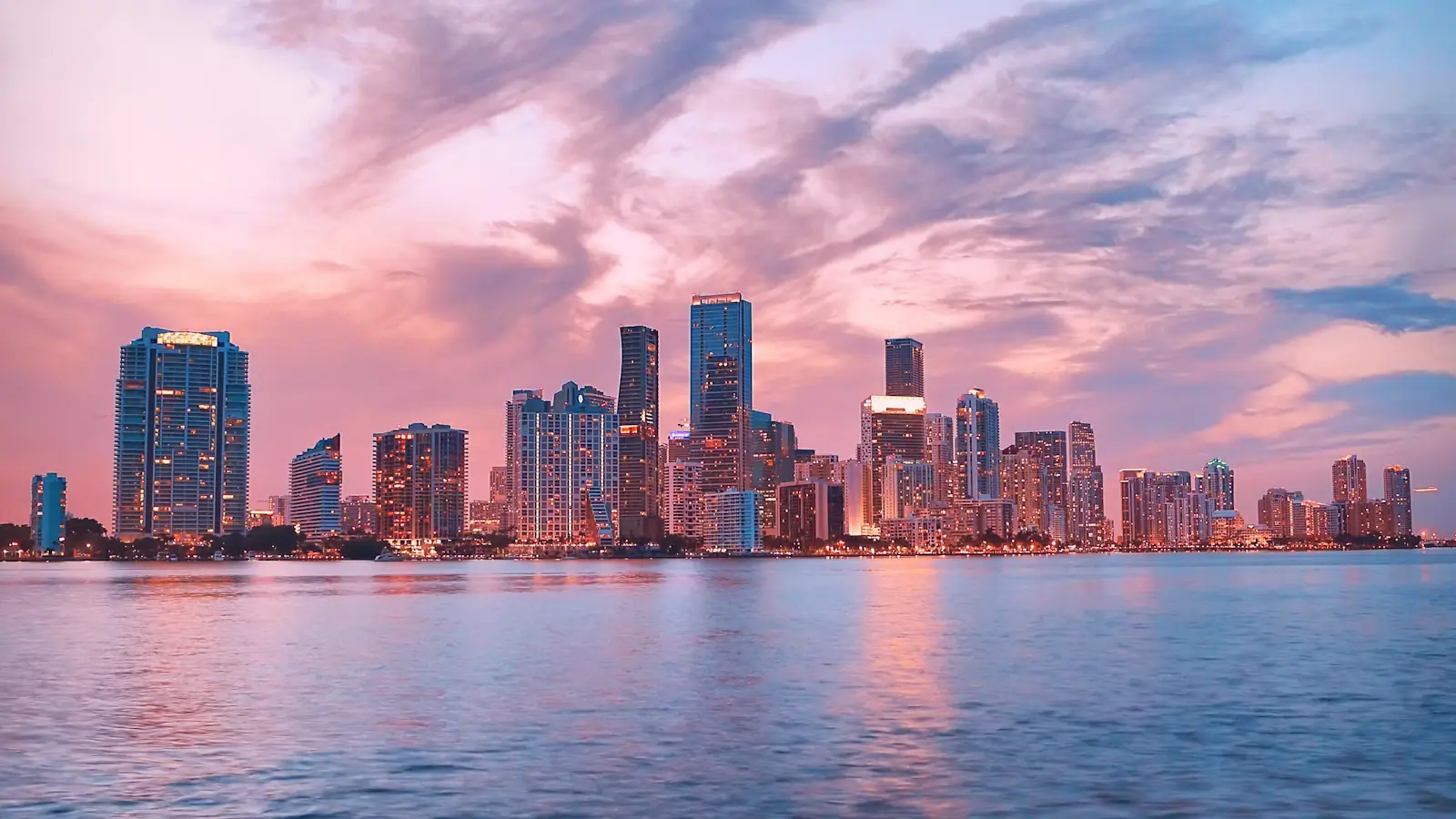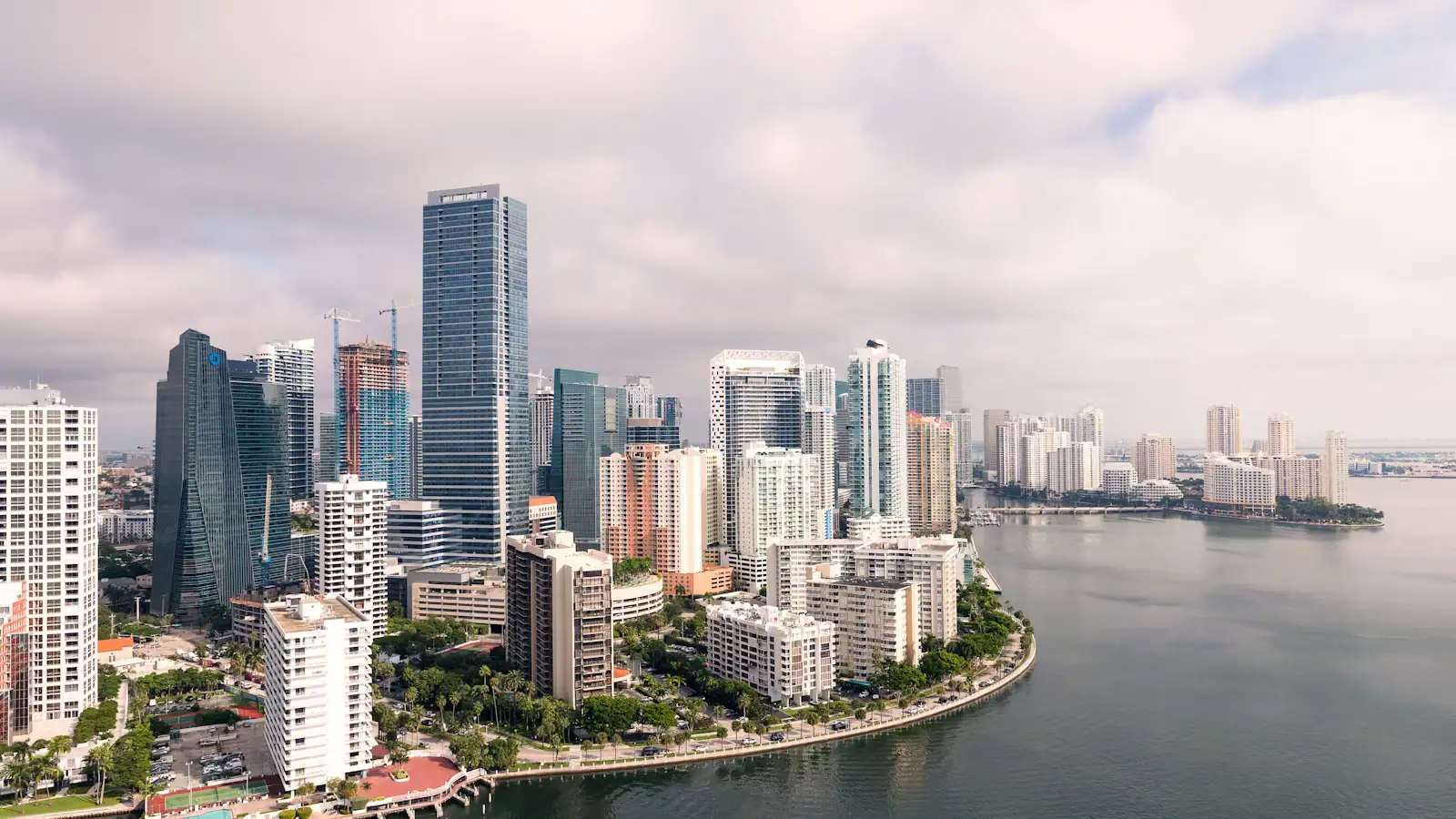
Start with the thing that nearly every first visit gets wrong. You are not in Miami. South Beach is a neighbourhood of Miami Beach, which is a separate city on a barrier island, with its own mayor, its own police department, its own parking meters and its own alcohol ordinance. Miami is on the mainland, across two and a half miles of Biscayne Bay, and you reach it over a causeway. People here say "going into the city" and mean it literally.
The second thing is scale. South Beach is the southern end of that island, roughly from the tip up to 23rd Street. It is about a mile and a half from end to end and four or five blocks wide. You can walk the whole thing in under an hour. Almost every mistake visitors make here — the rental car, the rideshare between two addresses eight blocks apart, the hotel booked "in Miami" that turns out to be forty minutes away in traffic — comes from not believing how small it is.
The grid, in one paragraph
Cross streets are numbered and run east to west, counting up from the southern tip. The ocean is east. The bay is west. Four parallel avenues carry the length of it, and each one has a personality you can rely on.
| Avenue | What it is | Go here for |
|---|---|---|
| Ocean Drive | The deco façades, one-way southbound, sidewalk cafés under the awnings | Looking at buildings. Not eating |
| Collins Avenue | Hotels and retail, one block inland, the wider and faster of the two | Checking in, shopping, taxis that can actually stop |
| Washington Avenue | Everyday South Beach: pharmacies, hardware, clubs, the 24-hour end of things | Groceries, late food, nightlife that is not on a terrace |
| Alton Road | The bay side, two more blocks west | Supermarkets, the bigger garages, Sunset Harbour |
Between Ocean Drive and the sand sits Lummus Park, a long strip of palms, volleyball nets and the lifeguard towers. That park is the reason Ocean Drive has a view at all, and it is why the beach never feels like a hotel's back garden.
The five bits of South Beach, and who each suits
South of Fifth, which everyone abbreviates to SoFi, is the wedge below 5th Street. It is residential, expensive, quiet after ten at night, and it holds South Pointe Park at the very tip, where the cruise ships pass close enough to read the names. Good for a calm base. Bad if you wanted to be able to walk home from anything.
The Art Deco District, roughly 5th to 23rd, is the reason the rest exists. Around 800 buildings from the 1920s to the 1940s, listed on the National Register in 1979 as the first twentieth-century urban historic district in the country. That listing happened because of a local campaign, not a federal initiative, and the walking tour is the page to read before you arrive.
Lincoln Road, at 16th and 17th, is a pedestrian mall laid out by Morris Lapidus and opened in 1960, one of the first American streets closed to cars. It is now largely chain retail. Española Way, two blocks south between 14th and 15th, is a single Mediterranean-revival block from 1925 and is much smaller, much prettier and much less photographed.
Collins Park, 21st to 23rd, is the cultural end: the Bass, the New World Center and its free outdoor projections in Soundscape Park, and the Miami Beach Botanical Garden a block west.
Sunset Harbour, on the bay around 18th to 20th west of Alton, is where people who live here eat. No ocean view, a parking garage, and a run of restaurants that are not performing for anybody.
What things actually cost
The beach itself
The beach is free and always has been. Every grain of sand east of the dune line is public, there is no gate, and nobody can charge you to walk onto it or lie on it. What costs money is the lounger and the umbrella, rented in a row by the hotel or concession behind them, and by the time you have two loungers and shade you are into the sort of figure people quote back at each other in disbelief. Bring a towel and walk past them.
Parking
Parking is the other number that surprises people. On-street meters in the South Beach and Entertainment District zones run at the high end of the city's scale, enforcement in the Entertainment District is twenty-four hours a day, and the towing rates for a non-resident car in the Art Deco District are punitive by design. The parking guide is a longer version of the same argument: do not bring a car.
The bill
Restaurant bills here carry an automatic service charge, commonly in the region of 18 to 20 per cent, and Florida law requires that it be disclosed on the menu and the bill. It frequently is not disclosed clearly on Ocean Drive. Read the eating guide before you sit down at an awning table, because the practices there are specific and avoidable.
When to come
December to April is the season: dry, warm, breezy, and priced accordingly. Early December is Art Basel Miami Beach week, when the convention centre fills, hotel rates roughly double and the island is at its most interesting and least restful. March is spring break, which in Miami Beach has meant road closures on Ocean Drive, traffic plans on high-impact weekends and a different crowd; the city has spent years reshaping it and the spring break guide says what that means in practice.
June to November is hot, humid and the Atlantic hurricane season, with an afternoon thunderstorm most days that clears within the hour. It is also when the island is cheapest and the sidewalks are yours. Sargassum, the brown seaweed that drifts in on the Gulf Stream, tends to arrive from around April and can persist through summer.
Three things to do on the first afternoon
- Walk Ocean Drive northbound on the park side, not the café side, between 8th and 14th. You see the façades whole instead of from underneath an awning, and nobody tries to seat you.
- Go into a hotel lobby. Several of the restored deco buildings on Ocean Drive and Collins keep their original terrazzo floors, etched glass and lobby murals, and walking in to look is entirely normal behaviour here.
- Get in the water before you do anything else. It is the shortest distance between you and understanding why this island exists.
The twenty-minute orientation walk
Do this on arrival, before you unpack opinions about the place.
- Start at 5th Street and Ocean Drive. The lifeguard tower here marks the southern edge of Lummus Park and the busiest stretch of the street.
- Walk north on the park side to 10th Street. On your left, the deco block that appears on every postcard. On your right, the beach. The Art Deco Welcome Center is at 10th and Ocean.
- Cut west on 11th to Washington Avenue. Three blocks and the register changes completely: pharmacies, phone shops, a hardware store, people going to work.
- North on Washington to 14th, then west into Española Way. One block, 1925, arched and quiet.
- Continue to Lincoln Road at 16th. Turn east and walk back to Collins.
That loop is about a mile and a half and it teaches you the whole island. Do it before you commit to a restaurant, a lounger or a taxi.
The five expensive mistakes
Renting a car for the whole trip. You will pay for it twice: the rental, then the hotel valet, every night. Hire one for the day you leave the island, not for the week.
Booking accommodation "in Miami" for a South Beach holiday. Brickell to Ocean Drive is four miles and can take forty minutes at the wrong hour. The two are not interchangeable.
Sitting down at an Ocean Drive awning table without seeing a printed menu with prices, and without asking what is added to the bill. This is the single most common complaint about the street, and it is entirely preventable.
Assuming the beach charges. It does not. The loungers do.
Driving to Ocean Drive. There is no scenario in which this goes well. Meters run around the clock in the Entertainment District, and the Art Deco District garages switch to flat event pricing on high-impact weekends.
Last updated
Opening hours, ordinances and prices move with the season. We re-check this guide rather than rewrite it, and the date above is the last time someone did. How we research and correct.