The beach in front of Ocean Drive is not natural, and that is the most useful thing to know about it.
By the 1970s, decades of seawalls and hotel construction had eaten the sand almost entirely. In places the Atlantic came up to the back of the buildings. Between 1975 and 1982 the US Army Corps of Engineers ran a series of contracts that dredged offshore sand and rebuilt the entire Miami-Dade shoreline, placing something in the region of fourteen million cubic yards along Miami Beach's six miles and producing a beach roughly three hundred feet wide.
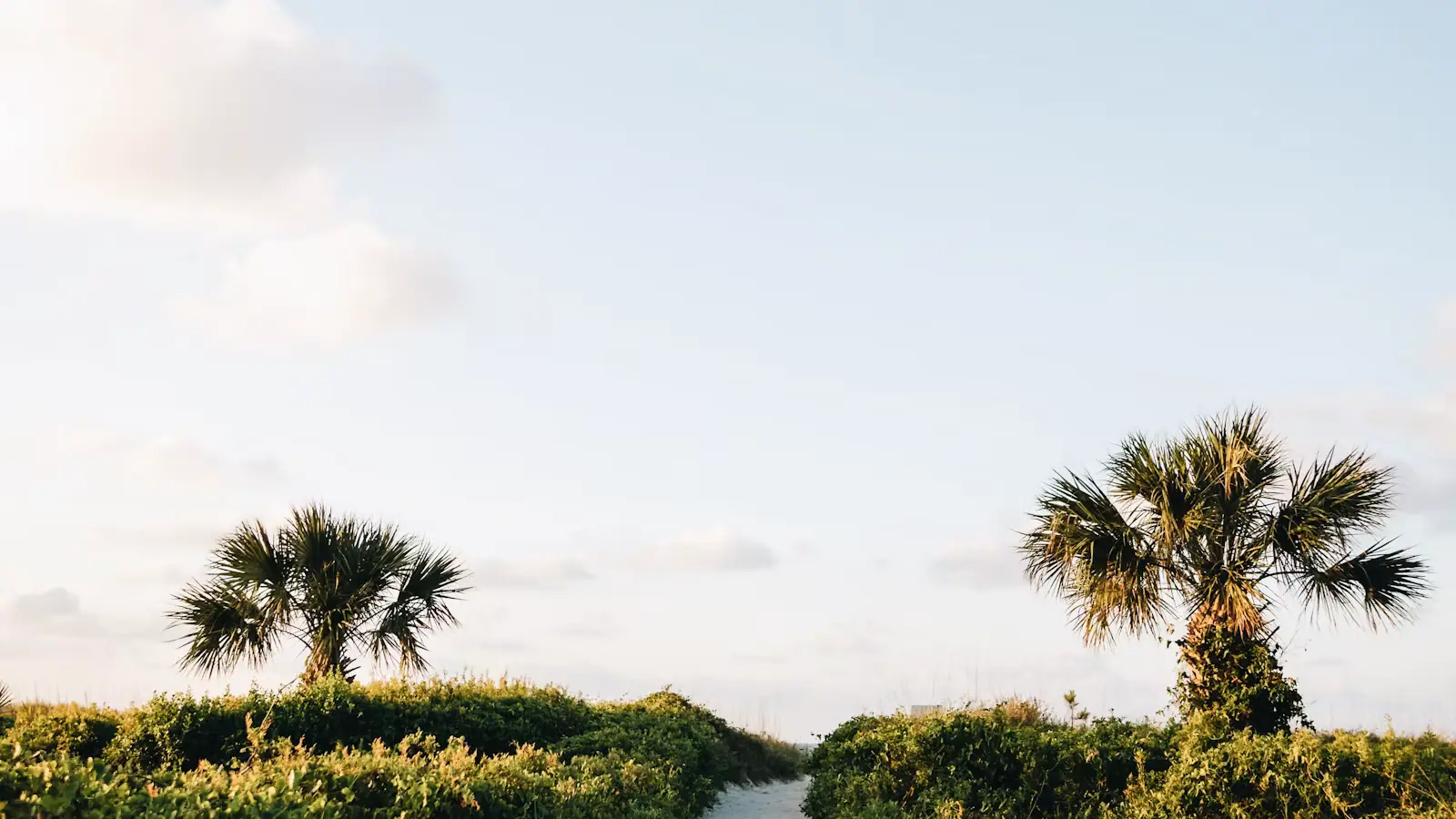
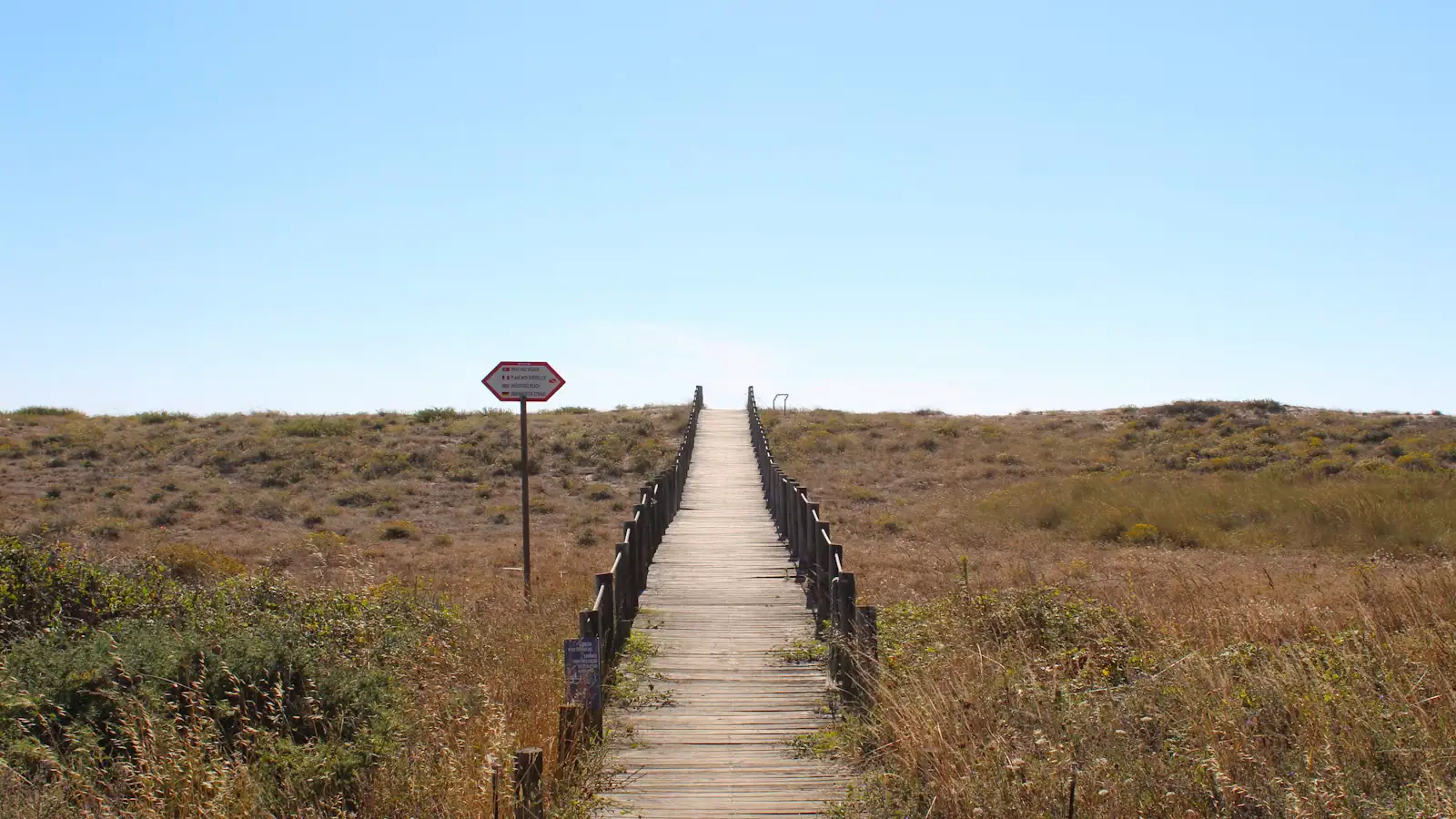
Everything about the experience follows from that. The walk from the dune line to the water is genuinely long, and on a July afternoon the dry sand in the middle of it is hot enough to blister. The dune ridge between the beach and Lummus Park is a planted, engineered structure of sea oats and sea grape, which is why there are boardwalk crossovers and why walking through the vegetation is both illegal and pointless. The beach is topped up again periodically. It is a piece of civic infrastructure that happens to be pleasant to lie on.
Which block to choose
The sand runs unbroken for the whole length of South Beach, but the character changes every few blocks.
| Blocks | Character | Best for |
|---|---|---|
| 1st–5th (South Pointe) | Widest and calmest end, the jetty and Government Cut alongside | Families, ship-watching, space |
| 5th–10th | Ocean Drive spillover, loud, busy from mid-morning | Being in the middle of it |
| 10th–14th | The postcard stretch. Volleyball, the heaviest crowds | The photograph you came for |
| 12th | The long-standing LGBTQ+ section, marked by the rainbow lifeguard tower | A crowd that has been here for decades |
| 14th–21st | Wider, quieter, fewer concessions | Actually reading a book |
| 21st–23rd (Collins Park) | The north end of South Beach, near the Bass | Quiet with a museum behind you |
If you want the fewest people for the least effort, walk north. The crowd density drops sharply above about 16th Street and almost nobody bothers.
The lifeguard towers, which are buildings
The towers are not generic. After Hurricane Andrew destroyed the old stands in 1992, the architect William Lane was commissioned to design replacements, and what followed was a set of individually designed structures, some by Lane, others through commissions and competitions. There are somewhere between about thirty and thirty-six of them along the city's coast, from the tip at South Pointe up into the eighties.
They are identified by the street they stand on rather than by number, so "meet me at 10th Street" means the tower, and everybody understands it. The one at 13th Street, with the American flag motif, is the single most photographed object on this beach after the sand itself. The 5th Street tower marks the southern edge of Lummus Park.
Swim in front of one. That is not a style note.
Flags, rips and the things that actually hurt people
The flags flying at the towers are the standard Florida system and they are not decorative.
- Green — calm conditions, low hazard.
- Yellow — moderate surf or current. Most days here.
- Red — high hazard. Stay out of the water.
- Double red — the water is closed.
- Purple — dangerous marine life, which on this coast usually means Portuguese man o' war blown in on an easterly.
Rip currents
Rip currents are the genuine risk. They form in the gaps between sandbars and pull straight out, not under. If you are caught in one, do not swim against it. Swim parallel to the shore until you are clear, then come in at an angle, and raise an arm if you cannot.
Sun and lightning
The other two hazards are less dramatic and more common: sunburn, because the UV index in South Florida is high enough to burn fair skin in well under half an hour for most of the year, and lightning. When the towers clear the water for an approaching storm, get out. Afternoon thunderstorms from June to September arrive fast.
Seaweed, honestly
Sargassum is a floating brown algae that drifts across the Atlantic and arrives on the Gulf Stream. On this coast it tends to show up from around April and can persist through the summer, and recent years have brought record quantities into the Caribbean and South Florida.
What it is like on the sand
It is harmless in the water and unpleasant on the sand, where it dries, darkens and smells of sulphur within a day or two. The city clears the tourist blocks mechanically, so the stretch in front of Ocean Drive is usually groomed by early morning and the quieter northern blocks less so. If a photograph matters to you, go early and go where the tractors have been.
Do not let it decide your trip. A sargassum summer is still a swimmable summer, and the water beyond the wrack line is usually clear.
What it costs, and what it does not
The sand is public and free. There is no gate, no wristband, no fee, and public access runs down almost every numbered street. Anybody telling you otherwise is selling a lounger.
The loungers and umbrellas lined up behind the dune are concessions, priced by the set and by the day, and two loungers with shade comes to a figure people repeat to each other in disbelief. Bring a towel. If you want shade, a cheap umbrella from a shop on Washington Avenue costs less than a single day's rental and you can leave it behind.
Restrooms and cold showers sit at intervals through Lummus Park, along with the concession buildings. The Beachwalk runs behind the dune for the length of the island and continues north for several miles, which is the best flat run or cycle in Miami-Dade.
The posted rules people break
No alcohol on the sand. No glass containers. No dogs on the beach. Smoking is banned on Miami Beach's public beaches and in its parks. No open fires, no amplified sound, no commercial photography without a permit. All of it is signed at the crossovers and all of it is enforced, particularly in March.
Topless sunbathing is customary and generally tolerated on parts of South Beach, though it is not an official designation. The county's formally clothing-optional beach is Haulover Park, several miles north and a different trip.
What the water does through the year
December to March is the driest, clearest stretch. The Atlantic sits somewhere around the low seventies Fahrenheit, which most visitors find swimmable and residents find bracing. Strong easterly winds are common, bringing chop and the occasional purple flag for man o' war.
April and May are the best weeks of the year on this beach: warm water, long light, manageable crowds, and hotel rates below the winter peak. This is also when sargassum typically starts arriving.
June to September brings water in the mid-eighties, high humidity, an afternoon thunderstorm most days, and the Atlantic hurricane season running from 1 June to 30 November with a September peak. The water is at its warmest and calmest in the mornings.
October and November are underrated. The heat breaks, the water stays warm, the crowds thin before the winter season starts, and the light is the best of the year.
Sunrise is over the ocean here, every day, directly in front of Ocean Drive. Sunset is behind you over the bay.
What to actually bring
Something for your feet. Three hundred feet of dry sand in the middle of the day is not a barefoot walk.
Your own umbrella or a hat. There is no natural shade on the sand at all. The palms are in Lummus Park, behind the dune, and they do not reach the water.
Reef-safe, high-factor sunscreen, and more of it than you think. Reapply after swimming. The combination of latitude, reflected light off pale sand and a sea breeze that hides the burn catches people out daily.
Water. Concessions exist but are priced for a captive audience, and the walk back across the sand is long.
A towel from the hotel rather than a rented lounger, unless you specifically want the lounger.
Cash is unnecessary. Everything here takes cards, including the umbrella concessions and the parking apps.
Leave at the hotel: glass bottles, alcohol, speakers and anything you would mind losing. Beach theft from unattended bags while people swim is the most common crime reported on this stretch.
Last updated
Opening hours, ordinances and prices move with the season. We re-check this guide rather than rewrite it, and the date above is the last time someone did. How we research and correct.