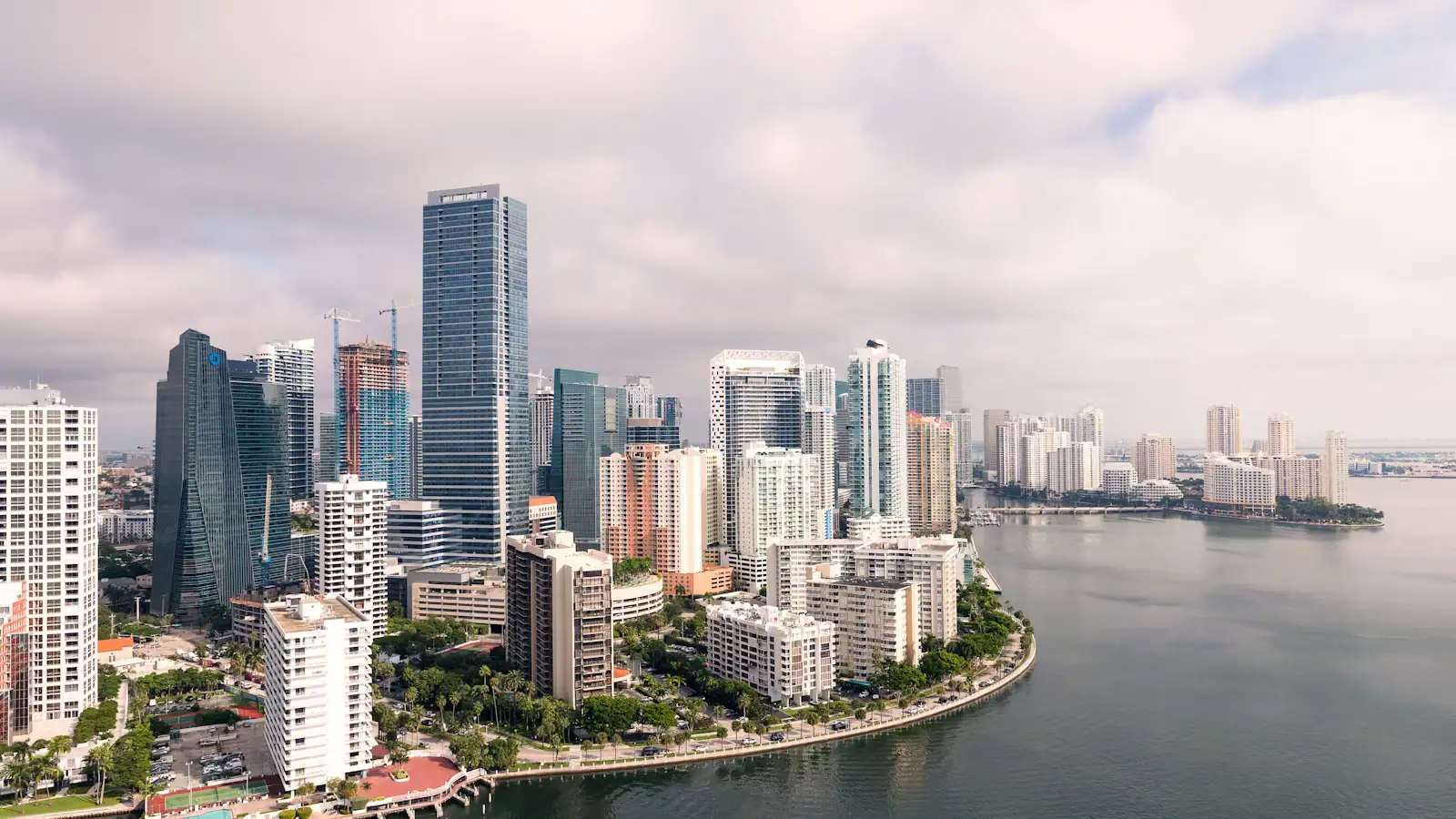
March in South Beach is genuinely different from every other month, and being vague about it does nobody any good. Around 80,000 people live in Miami Beach, a large share of them in these twenty-three blocks, and for years March brought crowds far beyond what a small barrier-island city could police. After a series of violent incidents and emergency curfews across the early 2020s, the city took out advertising in 2024 announcing that it was breaking up with spring break. It was not a joke and the position has held.
What that means for a visitor is a March that is heavily managed rather than cancelled.
What the city does, and when
Measures are announced each year in late winter, they vary, and they are targeted at specific high-impact weekends rather than the whole month. The pattern in recent years has looked like this.
| Measure | What it means on the ground |
|---|---|
| Ocean Drive traffic plan | Vehicle access restricted to a single entry point at the northern end and a single exit at 5th Street, on named weekends |
| Neighbourhood traffic plans | Restrictions around South of Fifth and Flamingo Park, typically from 6pm Thursday to Sunday |
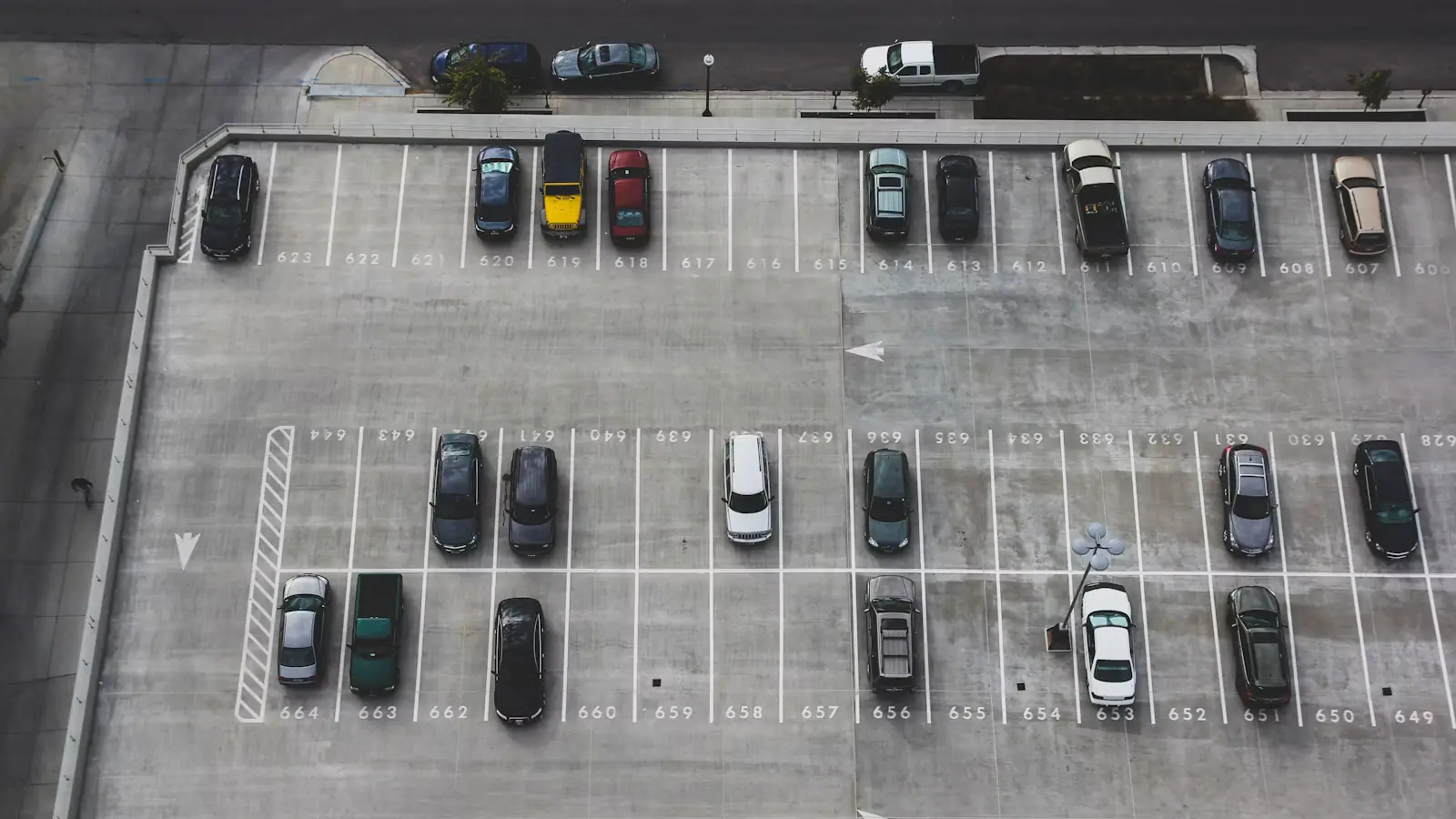
| Flat garage pricing | The four Art Deco District garages switch from hourly to a flat charge in the region of $40 to $100. Resident discounts suspended |
| Doubled towing | Non-resident towing in the Art Deco District set at roughly double the standard rate, plus administrative fees |
| Bag checks and licence-plate readers | At beach entrances and causeway approaches |
| Heavy police deployment | Including mutual-aid officers from other agencies |
| Curfew powers held in reserve | Not always used, but the city retains the ability to impose one at short notice |
What changed most recently
In 2026 the city relaxed several restrictions: beaches were not closed at 6pm, and no blanket curfew was imposed, although the power to impose one was kept. In earlier years curfews and causeway closures were declared mid-weekend with very little notice. Assume the rules can change while you are there.
Check the City of Miami Beach's own announcements in February for the year you are travelling. Nothing on this page, or anywhere else, substitutes for that.
Should you come in March?
Come if
- You are here for the architecture or the museums. The Art Deco walk is entirely unaffected, and so is every institution on the island.
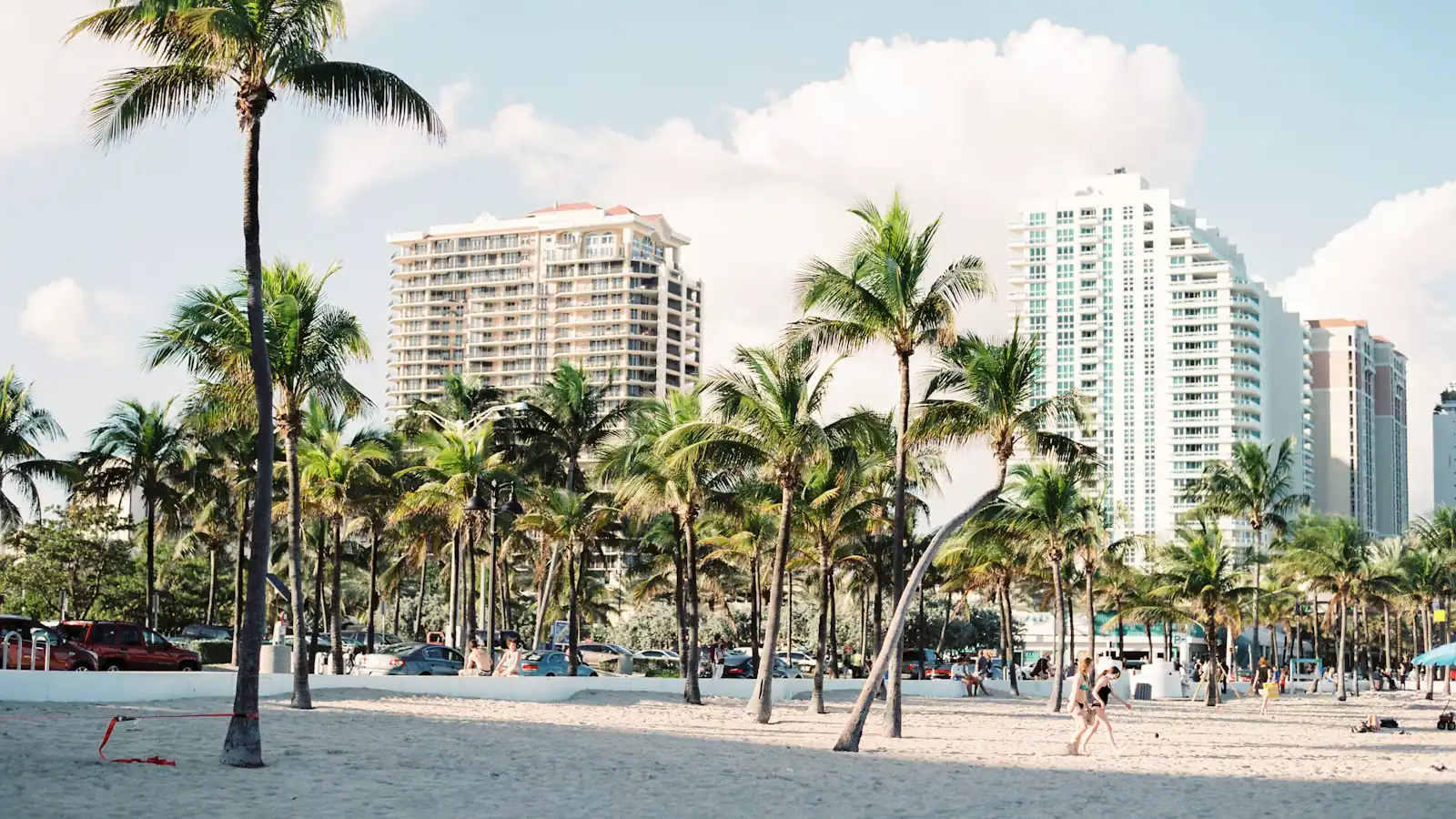
- You want the beach in daylight. The sand is unaffected. March is the best weather of the year here: dry, warm, low humidity, and the water beginning to come back up.
- You are here for Winter Party Festival, which falls in early March and is a separate event with a separate crowd. Book early; it is one of the few weekends this island genuinely sells out.
Do not come if
- You are bringing young children. Covered properly in the family guide, and the short version is that the evenings are unsuitable.
- You want a quiet evening on Ocean Drive. There is not one to be had between 5th and 16th on a designated weekend.
- You are driving in for the day. Restricted access, flat garage rates and doubled towing make March the single most expensive month to bring a vehicle to this island.
If you are coming anyway
Stay on the island. The causeways are where the worst of the queueing happens, and a hotel within walking distance of your evening removes the entire problem.
Do not drive. Take a taxi or rideshare in, walk everything, use the free trolley. If you must drive, park once in a garage away from the Art Deco District and leave the car there.
Go north. The beach above 16th Street and the Collins Park end around 21st to 23rd are far calmer than the 5th-to-14th stretch, and the museums at that end run their normal programme.
Do your mornings properly. The island is quiet and pleasant until about noon in March, just as it is in every other month. The difference is entirely in the evening.
Know the beach rules, because enforcement is at its strictest now. No alcohol on the sand, no glass, no dogs, no smoking, no amplified sound, no tents or structures beyond a modest umbrella. These are year-round rules that are politely ignored in November and actively enforced in March.
Keep ID on you. The drinking age is 21 and checks are constant, including at restaurant terraces.
Build in slack. A journey that takes fifteen minutes in November can take an hour on a designated March weekend, and that applies to leaving as much as arriving. If you have a flight out on a Sunday afternoon in March, leave the island before noon or accept the causeway. Rideshare pricing surges hardest between 11pm and 3am on those weekends, and the pickup problem on one-way Ocean Drive becomes acute when the street is closed to through traffic. Walk west to Washington or Alton before you request a car.
Expect the beach to be busy early. One consequence of the evening restrictions is that the daytime crowd on the sand between 5th and 14th is heavier and arrives earlier than usual. The northern blocks above 16th absorb almost none of it, which makes the walk worth making.
Why the city did it
This is a neighbourhood, not a resort complex. The buildings on Ocean Drive and Collins are small deco hotels and apartment blocks with people living in them, and the streets between them are residential. For several years the March crowds produced shootings, stampedes and emergency curfews declared mid-weekend, and the businesses that depend on ordinary tourism lost the month.
The response has been a deliberate attempt to change who comes. Whether it has worked is argued about locally every spring and the measures are revised each year in response. The practical takeaway for a visitor is neither reassurance nor alarm: March here is a policed month with real restrictions, run by a city that would rather you came in April.
And April is better. Warmer water, longer light, no traffic plan, and Miami Beach Pride running along Ocean Drive with the Atlantic on one side and the deco on the other.
The months to come instead
April. The best month on this island. Water warming into the high seventies, dry air, long evenings, the winter crowds gone and the summer heat not yet arrived. Pride falls here, along Ocean Drive, which is worth planning around rather than avoiding.
May. Warmer water still, noticeably cheaper hotels, and the first arrivals of sargassum seaweed on some weeks. Excellent value.
October and November. The other sweet spot. The heat breaks, the water stays warm through October, hurricane season winds down through November, and rates sit below the winter peak. Stone crab season opens on 15 October.
Avoid, if you want quiet: early December, when Art Basel Miami Beach fills the convention centre and every room on the island, and the last two weeks of December, which is the highest-rate fortnight of the year.
February is beautiful, dry and busy, with the highest sustained hotel rates and no spring break. If your dates are flexible and money is not the constraint, it is the safest choice of all.
March logistics, in order
Six weeks out. Check the City of Miami Beach's announcements for that year's measures. They are published in late winter and they are specific about dates.
At booking. Choose accommodation within walking distance of where you intend to eat. Ask the hotel directly what their March policy is on guest access, valet and causeway advice; the front desks on this island field the question constantly.
The week before. Confirm whether the weekends you are here have been designated high-impact. Two or three weekends are usually named, not the whole month.
On arrival. Do not bring a car onto the island on a Thursday or Friday evening in March. Arrive earlier in the day or midweek.
During. Follow the city's own channels rather than social media, which recycles footage from previous years within hours of any incident. If a curfew is announced, it will be specific about area and hour, and it will be enforced.
Every day. Mornings are normal. Use them.
Last updated
Opening hours, ordinances and prices move with the season. We re-check this guide rather than rewrite it, and the date above is the last time someone did. How we research and correct.